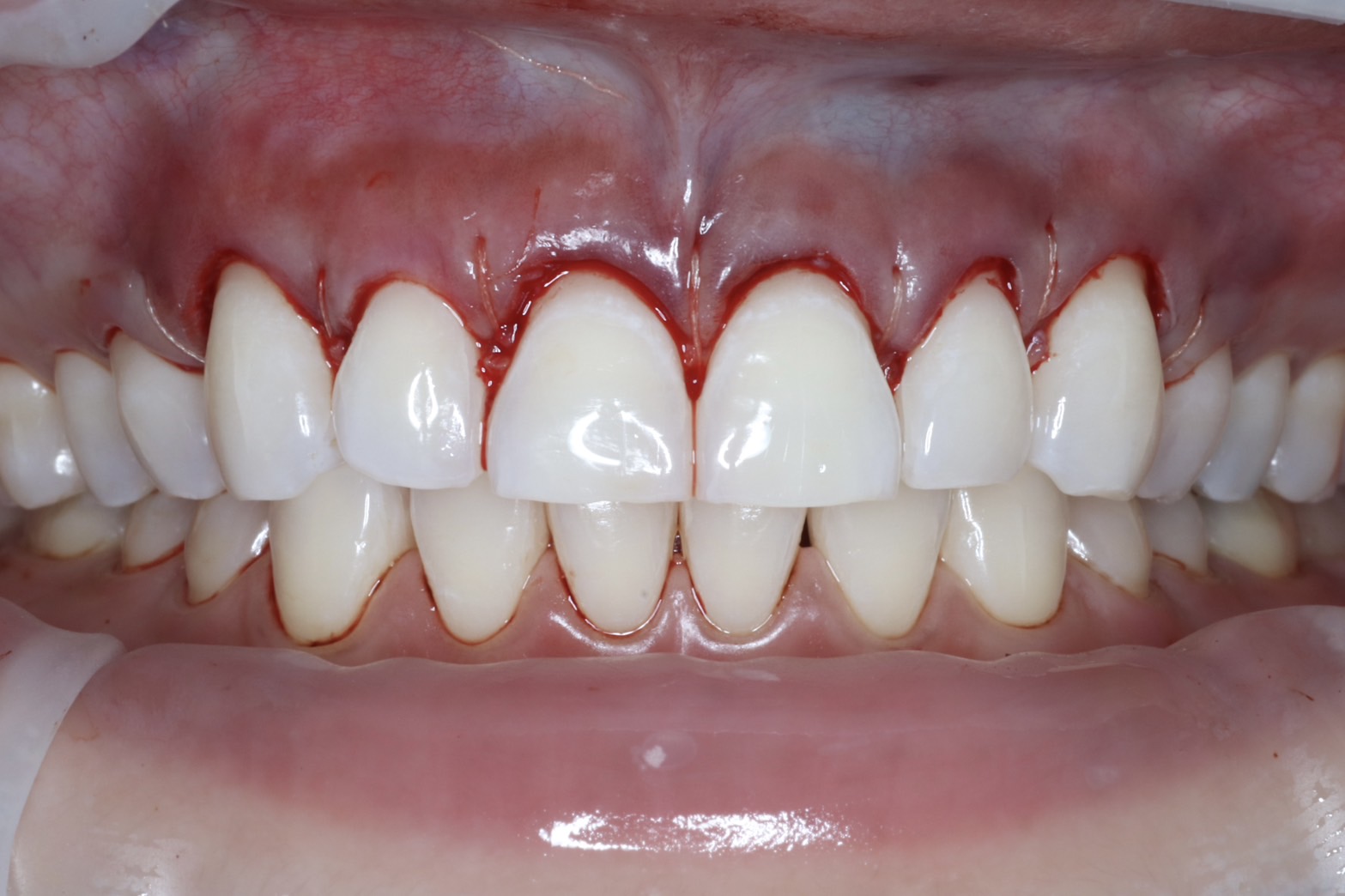
Tooth Wear and Tooth Erosion
Why Your Teeth May Feel Sensitive, Look Thinner, or Appear More Yellow
Many people experience symptoms such as tooth sensitivity, thinning enamel, shorter-looking teeth, or increasing yellow discoloration—but are unsure of the cause.
These are often early signs of tooth wear and tooth erosion—two conditions that develop gradually and are commonly overlooked until they become more severe.
Understanding their causes and differences allows for earlier detection, more precise treatment, and better long-term preservation of natural teeth.
What Is Tooth Wear?
Tooth wear refers to the gradual loss of tooth structure due to mechanical forces, rather than decay or bacteria.
This may occur on different surfaces of the teeth:
- Chewing surfaces from excessive grinding or clenching
- Near the gumline from aggressive brushing
Because it progresses slowly, many patients only notice it once sensitivity or visible changes begin.
Common Causes of Tooth Wear
- Brushing too hard or using a hard-bristled toothbrush
- Frequent use of highly abrasive toothpaste
- Teeth grinding or clenching (bruxism), especially during sleep
- Biting hard objects such as ice, pens, or nails
Signs of Tooth Wear
- Teeth appearing shorter or flattened
- Small chips or sharp edges
- Increased sensitivity to hot, cold, or sweet foods
- Yellowing due to exposed inner dentin
What Is Tooth Erosion?
Tooth erosion is the loss of enamel caused by acid exposure, not mechanical force.
Acids gradually dissolve the enamel, making teeth weaker and more vulnerable to further damage. This process often occurs silently and worsens with frequent acid exposure.
Common Causes of Tooth Erosion
- Acidic drinks (e.g., soda, white wine, sparkling beverages)
- Sour foods or frequent acidic snacks
- Acid reflux or frequent vomiting
- Constant sipping of acidic or sweet drinks throughout the day
Signs of Tooth Erosion
- Smooth, glossy enamel surface
- Thinning teeth with small dents or concavities
- Increased sensitivity & Yellow or dull tooth color
- In severe cases, structural damage requiring root canal treatment
Tooth Wear vs Tooth Erosion: What’s the Difference?
In reality, these conditions often occur together. For example, brushing immediately after acid exposure can accelerate enamel loss.
How to Prevent Tooth Wear and Erosion
Preventing tooth wear and erosion is simple but requires consistent lifestyle adjustments. By making small changes to your daily habits, you can slow down the loss of enamel and preserve your natural teeth for as long as possible.

1. Adjust Your Brushing Technique
Use a soft-bristled toothbrush and apply gentle pressure. Brushing harder does not clean better—it increases enamel loss and gum recession.
2. Reduce Acid Exposure
Limit acidic foods and beverages. After consuming them:
- Rinse with water
- Wait at least 30 minutes before brushing
3. Manage Teeth Grinding
If you clench or grind your teeth, consult a dentist. A night guard may help reduce excessive force and prevent long-term damage.
4. Use Desensitizing Toothpaste
These formulas help block dentinal tubules and strengthen weakened enamel, reducing sensitivity. However, they do not treat the root cause—professional evaluation is still essential.
5. Schedule Regular Dental Check-ups
Routine check-ups every 6 months allow early detection and personalized treatment planning, including:
- Fluoride applications
- Fillings or restorations
- Crowns or veneers
- Occlusal guards
FAQs: Tooth Wear and Tooth Erosion
Q1: Can worn or eroded teeth grow back?
ตอบ : No. Lost tooth structure cannot regenerate. However, it can be restored and protected through appropriate dental treatment.
Q2: Why do I have sensitivity even without eating acidic foods?
ตอบ : Sensitivity may result from multiple factors, including grinding, reflux, or frequent snacking that keeps oral pH low throughout the day.
Q3: Does drinking coffee or tea cause erosion?
ตอบ : Yes, especially if consumed frequently and over long periods. Rinsing with water afterward can help reduce acid exposure.
Q4: Does brushing harder make teeth cleaner or whiter?
ตอบ : No. It increases the risk of enamel wear, gum recession, and sensitivity. Proper technique is more important than force.
Conclusion
Tooth wear and tooth erosion have different causes but can both lead to permanent damage if left untreated.
Early signs such as sensitivity, thinning, chipping, or yellowing should not be ignored. Since lost enamel cannot be restored naturally, early intervention helps reduce treatment complexity and preserve your natural teeth for longer.
At Belix Dental, we provide detailed evaluation and personalized care to identify the root cause and protect long-term oral health.
Expert Insight by Dr. Pitchaya Vadhanakrai
The chewing surfaces of teeth are naturally designed with grooves and ridges to distribute biting forces efficiently similar to tire treads that help manage pressure and friction.
To put it simply, it is like "car tire treads" designed to handle friction and distribute weight. Similarly, the chewing surfaces of your teeth function to absorb and distribute pressure during mastication.
When teeth are exposed to excessive force or prolonged acid exposure, these structures gradually wear down, becoming flatter and thinner over time. This can eventually lead to cracks, fractures, or significant loss of tooth structure.
Early intervention focuses on two key approaches:
- Preventing further damage
- Restoring and protecting the remaining tooth structure
Timely care can significantly extend the lifespan of natural teeth and reduce the need for more complex treatment in the future.
with our specialists
Medical content reviewed by
Dr. Pitchaya Vadhanakrai
Orthodontist, Invisalign Platinum Provider, and Founder of Belix Dental