What Is a Night Guard and Why It Matters

Teeth grinding (bruxism) is a common condition that often goes unnoticed. Over time, it can lead to worn, chipped, or fractured teeth, as well as jaw pain, headaches, and neck or shoulder discomfort. If left untreated, it may also affect the jaw joint — known as Temporomandibular Joint Disorder (TMJ) — and impact your overall quality of life. A night guard (occlusal splint) is an effective preventive solution designed to reduce these forces and protect your teeth during sleep.
What Does a Night Guard Do?
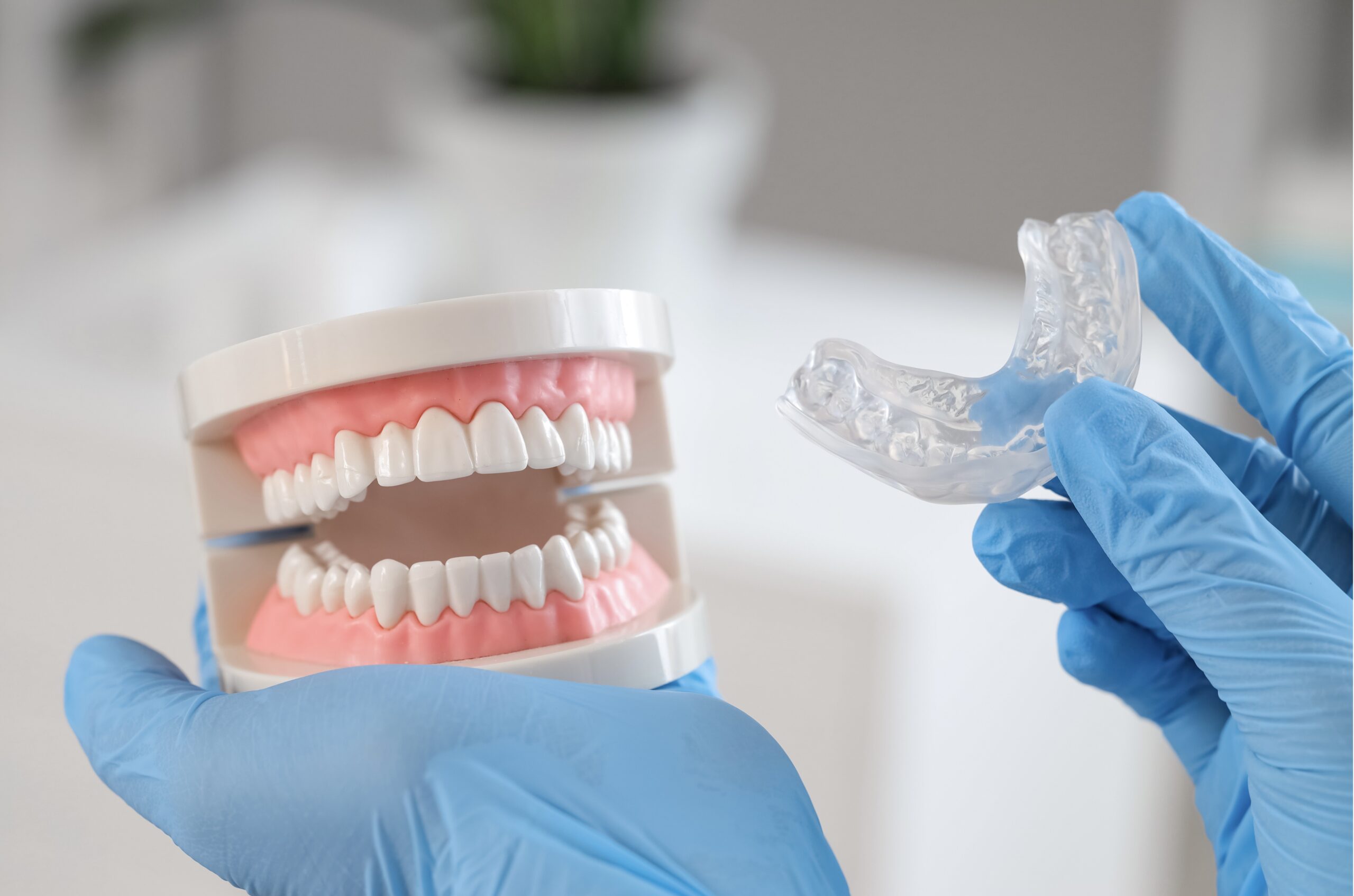
A night guard is a custom-made dental appliance designed specifically for your bite and jaw alignment. Worn during sleep, it helps to:
- Distribute biting forces evenly
- Reduce friction between upper and lower teeth
- Relieve jaw muscle tension
- Prevent tooth wear, cracks, and fractures
Who Should Consider a Night Guard?
1. Bruxism (Teeth Grinding or Clenching)
Prevents direct tooth-to-tooth contact and reduces excessive pressure on teeth and muscles.
2. TMJ Disorders
Helps position the jaw more comfortably, reducing joint strain and muscle tension.
3. Preventive Protection
In some cases, it may also protect teeth from impact (e.g. during sports or high-stress habits).
Signs You May Need a Night Guard
Many patients are unaware they grind their teeth. If you notice any of the following, a dental evaluation is recommended:
Common signs:
- Grinding sounds during sleep (reported by others)
- Morning jaw soreness or temple pain
- Worn, chipped, or cracked teeth
- Frequent failure of fillings
- A bite that feels “different”
TMJ-related symptoms:
- Clicking or popping sounds when opening the mouth
- Pain while chewing
- Jaw stiffness or locking
Some individuals may also clench during the day — especially under stress — and may benefit from selective use as advised by a dentist.
Types of Night Guards
1. Hard Night Guard

- Material: Durable acrylic
- Best for: Severe grinding or TMJ conditions
- Advantages: Long-lasting, adjustable, highly effective
- Consideration: May feel tight initially but typically adapts over time
2. Soft Night Guard
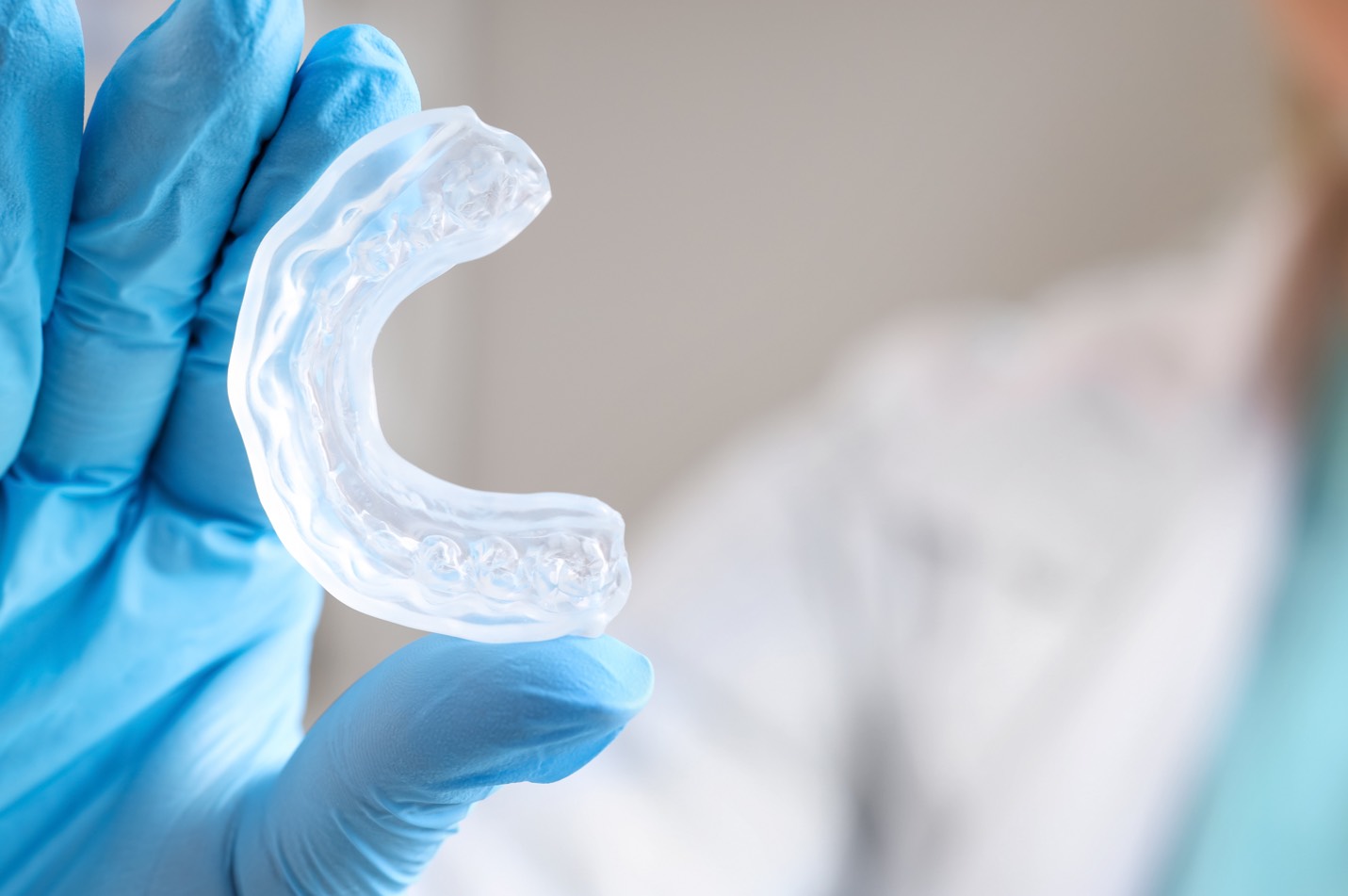
- Material: Flexible silicone or soft plastic
- Best for: Mild to moderate grinding or growing patients
- Advantages: Comfortable, easy to wear, more affordable
- Limitations: Wears out faster and may not adequately control stronger forces
How to Choose the Right One
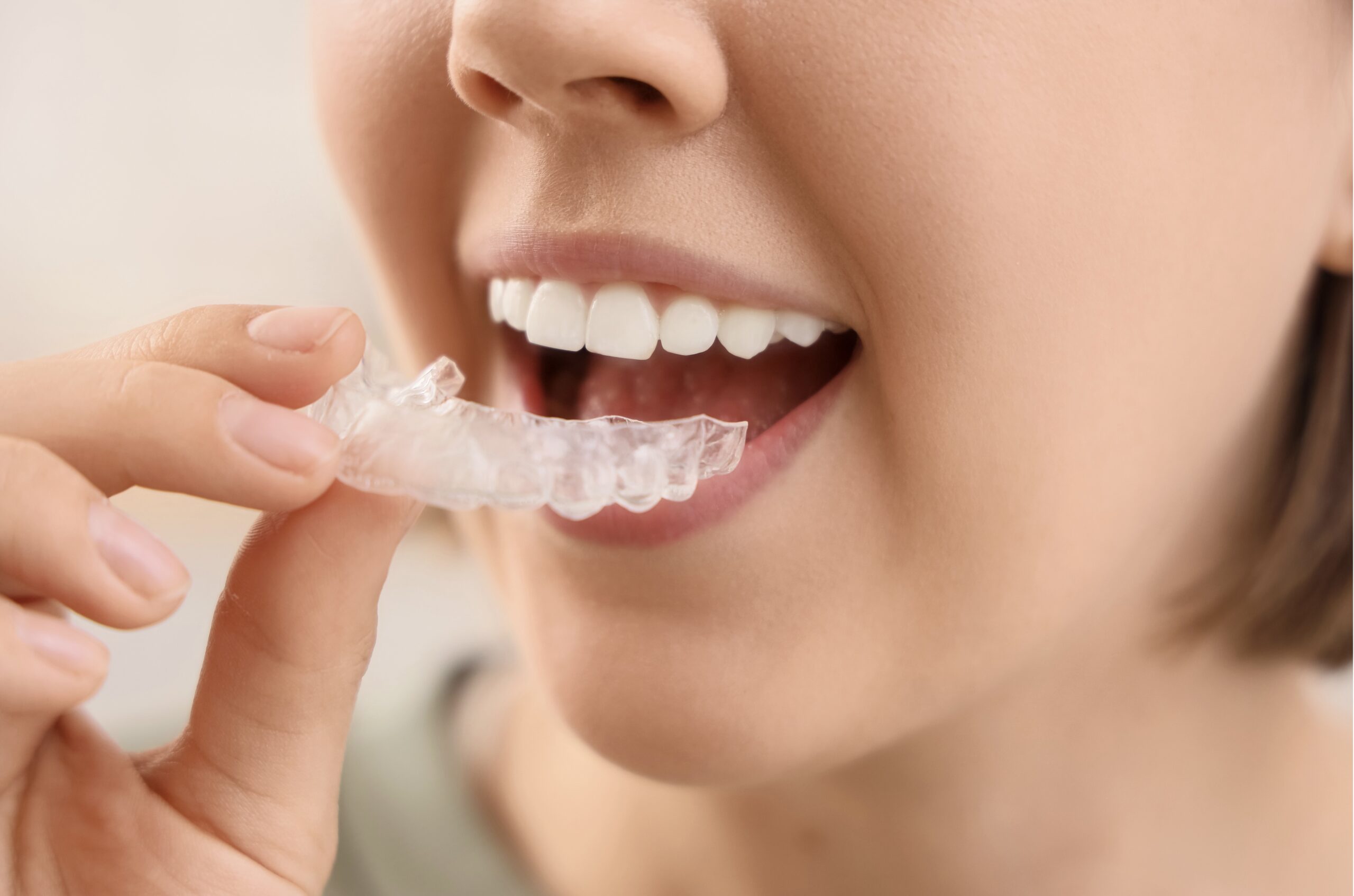
The ideal night guard should be selected by a dentist based on:
- Severity of grinding
- Jaw alignment and bite
- Muscle activity and symptoms
A custom-designed appliance ensures optimal comfort, fit, and effectiveness.
Cost & Factors Affecting Price
Pricing varies depending on materials and technology used:
- Soft night guard: approximately THB 2,000–4,000 per piece
- Hard night guard: approximately THB 8,000–11,000 per piece
Factors include:
- Type of material (hard vs soft)
- Digital workflow and impression technology
- Adjustment and follow-up visits
- Laboratory quality and clinical standards
Lifespan & Care
- Hard night guard: typically lasts 2–4 years or longer
- Soft night guard: may require more frequent replacement
Care instructions:
- Clean with a soft brush and mild soap after each use
- Avoid hot water
- Store in a ventilated case
- Schedule check-ups every 6 months for adjustments
Replace if: It becomes loose, cracked, or excessively worn
Expert Insight by Dr. Pitchaya Vadhanakrai
A simple way to understand a night guard is to think of it like a protective phone case.
- Heavy grinding → like a shockproof case (hard guard)
- Mild grinding → like a slim protective case (soft guard)
- No protection → like using your phone without a case
Damage may not be immediately visible — but over time, the effects can become significant.
Book Your Consultation
If you are experiencing jaw pain, headaches, or suspect teeth grinding, our team at Belix Dental is here to help.
At Belix Dental (Langsuan–Ruamrudee, near BTS Ploenchit), we provide:
with our specialists
Medical content reviewed by
Dr. Pitchaya Vadhanakrai
Orthodontist, Invisalign Platinum Provider, and Founder of Belix Dental