Bad Breath (Halitosis)
Bad breath is more than a minor inconvenience—it is a common concern that many people feel uncomfortable talking about.
It can directly affect confidence, communication, and overall presence. In some cases, people may not even realize they have bad breath until it begins to impact their social interactions.
Even with regular brushing, persistent bad breath may indicate that the underlying cause is not simply “unclean teeth.” Understanding the true source of the problem is the key to solving it effectively and long-term.
What Causes Bad Breath?
Bad breath, or halitosis, refers to an unpleasant odor originating from the mouth. It can be temporary—such as after waking up—or chronic throughout the day. Persistent bad breath is often linked to oral health conditions or underlying systemic factors.
Common causes of bad breath (Halitosis):
1. Bacteria in the Oral Cavity (Most Common Cause)
Up to 80–90% of bad breath originates from bacteria in the mouth. Common causes include:

- Plaque buildup on teeth and gums
- Coated tongue (especially the back of the tongue)
- Tooth decay, gingivitis, or periodontal disease
- Food debris trapped between teeth or around orthodontic appliances
These bacteria break down food particles and release odor-causing compounds.
2. Dry Mouth (Reduced Saliva)
Saliva plays an essential role in neutralizing acids and washing away bacteria. When saliva is reduced, bad breath becomes more noticeable. Common causes:
- Dehydration
- Mouth breathingn
- Smokingn
- Certain medications (e.g., antihistamines, antihypertensives)
3. Digestive Conditions
Conditions such as acid reflux can cause stomach acids and odors to rise into the oral cavity, resulting in a distinct unpleasant smell.
4. Respiratory Conditions
Sinus infections, tonsillitis, or chronic throat infections can produce mucus or pus, contributing to persistent bad breath—even when oral hygiene is good.
5. Lifestyle and Dietary Habits
- Strong-smelling foods (garlic, onions)
- Smoking and alcohol consumption
- Fasting or ketogenic diets
How to Check If You Have Bad Breath

Many people become accustomed to their own breath, making it difficult to detect.
Here are simple self-check methods:
- Wrist test Lick the inside of your wrist, let it dry for a few seconds, then smell it.
- Floss test Smell the floss after cleaning between teeth—especially back molars.
- Taste awareness A persistent unpleasant taste may indicate bacterial buildup or dry mouth.
- Ask someone you trust This remains the most accurate and honest method.
How to Get Rid of Bad Breath (Effectively)
Long-term solutions require addressing the root cause—not just masking the odor.
1. Maintain Complete Oral Hygiene
- Brush twice daily (morning and before bed)
- Floss daily
- Clean your tongue regularly
- Clean retainers or orthodontic appliances properly
2. Increase Saliva Flow
- Drink water regularly
- Use sugar-free gum to stimulate saliva
- Avoid smoking and excessive alcohol
3. Use Mouthwash Appropriately
Choose alcohol-free formulas that target bacteria. Avoid overuse, as it may disrupt the oral microbiome and worsen dryness.
4. Treat the Underlying Cause
Depending on diagnosis:
- Cavities → fillings
- Gum disease → periodontal treatment
- Tartar buildup → professional cleaning
- Acid reflux → medical management
5. Visit Your Dentist Regularly
Routine check-ups every 6 months help detect early issues and prevent chronic bad breath.
When Should You See a Dentist?
Do not ignore persistent symptoms such as:
- Bad breath throughout the day despite good hygiene
- Bleeding gums, swelling, or tooth pain
- Acid reflux symptoms (burning sensation, sour taste)
- Chronic sinus or throat infections
FAQs: Bad Breath (Halitosis)
Q1: Why do I still have bad breath even after brushing?
Often due to tongue coating, gum disease, or dry mouth.
Q2: Does mouthwash solve bad breath?
It helps temporarily but does not address the root cause.
Q3: Is morning breath normal?
Yes. Reduced saliva during sleep causes temporary odor.
Q4: Can bad breath come from the stomach?
Yes—especially in cases of acid reflux.
Q5: Does scaling help?
Yes. Removing tartar significantly reduces bacteria and odor.
Conclusion
Bad breath is a common condition, but it is rarely just a hygiene issue.
In many cases, it reflects underlying oral or systemic health problems that require proper diagnosis and targeted treatment.
With the right approach—combining daily care, professional evaluation, and personalized treatment—bad breath can be effectively managed and significantly improved.
Expert Insight by Dr. Pitchaya Vadhanakrai
Many patients believe that brushing more frequently or more aggressively will eliminate bad breath. However, effective oral care is not about force—it is about precision and technique.
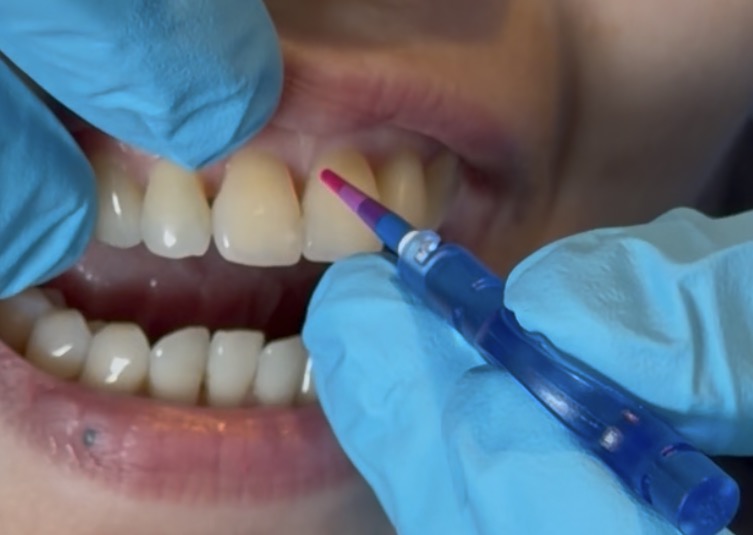
Because bacteria are invisible, it is difficult to know whether brushing has been thorough. One effective method is biofilm staining, which highlights areas of plaque accumulation.
This allows both the patient and dentist to identify missed areas and refine brushing technique. With consistent and precise care, even small improvements can significantly reduce bad breath over time.
Book Your Consultation
If you are experiencing persistent bad breath and are unsure of the cause, our team at Belix Dental is here to help.We provide comprehensive diagnosis to identify the underlying cause and create personalized treatment plans for long-term oral health and confidence.
with our specialists
Medical content reviewed by
Dr. Pitchaya Vadhanakrai
Orthodontist, Invisalign Platinum Provider, and Founder of Belix Dental