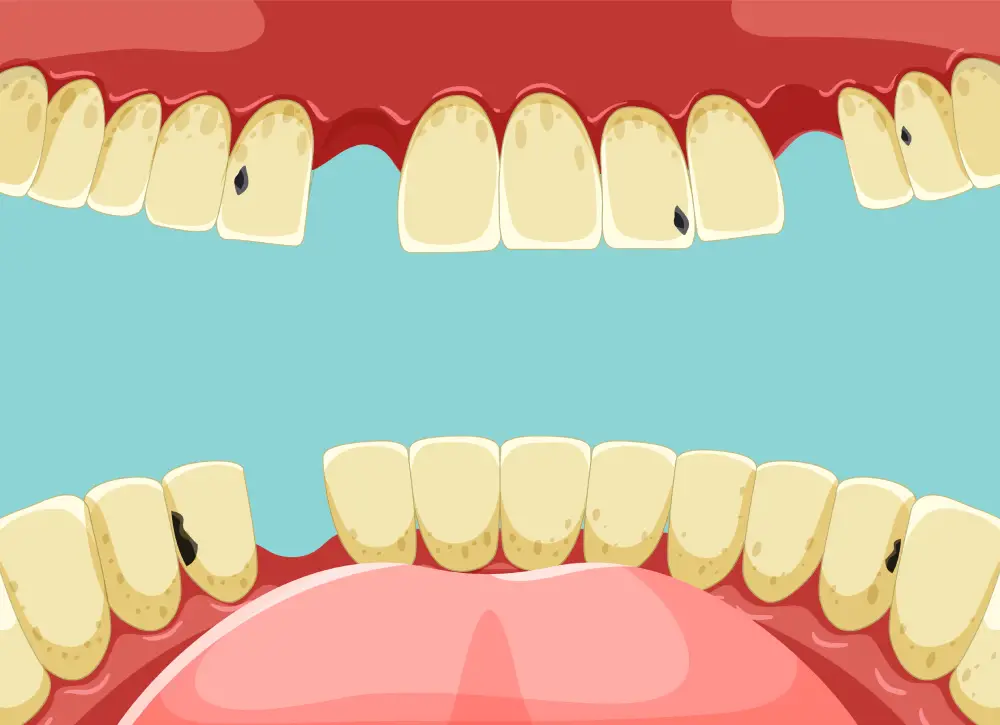
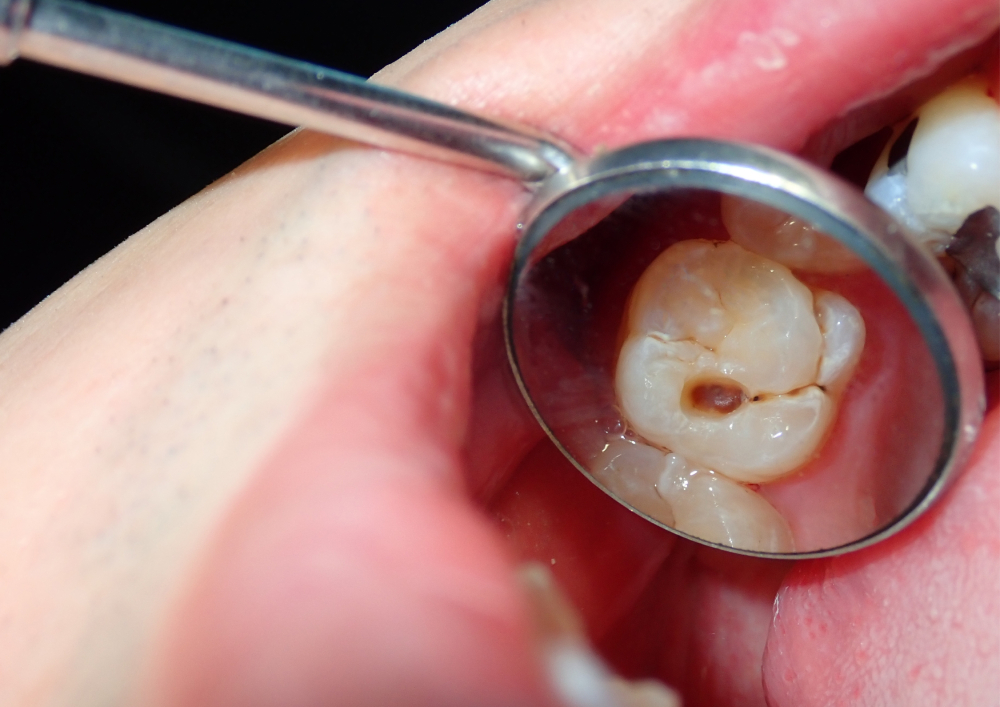
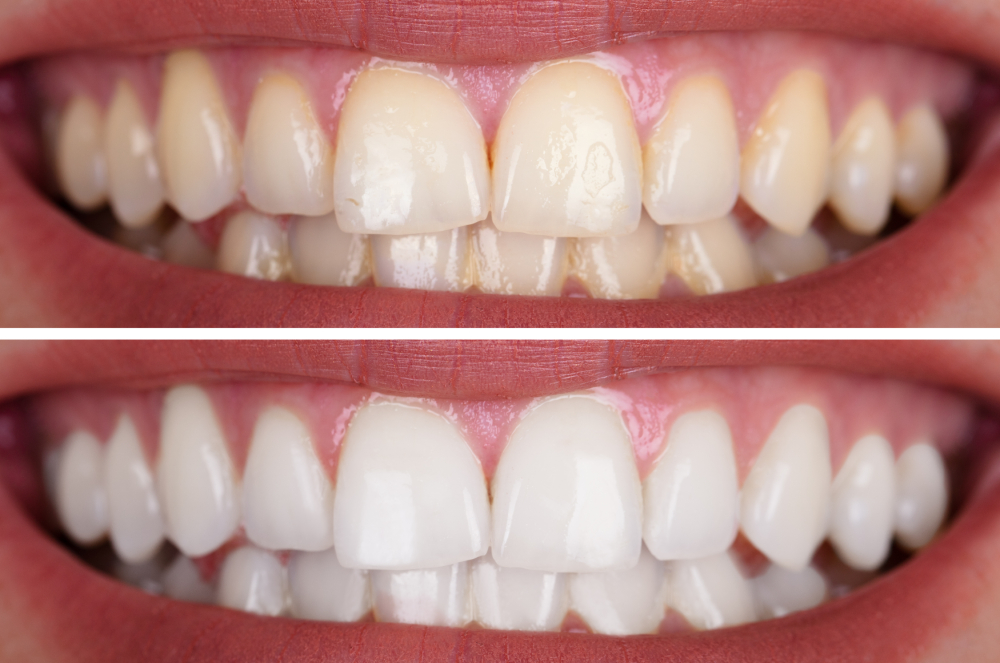
Tooth Discoloration
What does your ideal smile look like?
For many people, it’s a smile with well-aligned teeth and a naturally bright, clean shade. However, a common concern we see is teeth that appear dull, yellow, or uneven in color—often leading to a loss of confidence when smiling.
Even with regular brushing, teeth can still become discolored due to various internal and external factors. Understanding the cause is the key to choosing the right treatment.
In this article, we’ll guide you through the causes of tooth discoloration, along with safe and effective treatment options to help restore a naturally radiant smile.
Why Do Teeth Change Color?
Tooth discoloration refers to a change in the natural color of the teeth. This may appear as yellow, gray, brown, or uneven patches.
Discoloration can occur:
- On the outer surface (extrinsic stains)
- Or within the internal tooth structure (intrinsic stains)
4 Main Causes of Tooth Discoloration
1. Extrinsic Stains (Surface Staining)
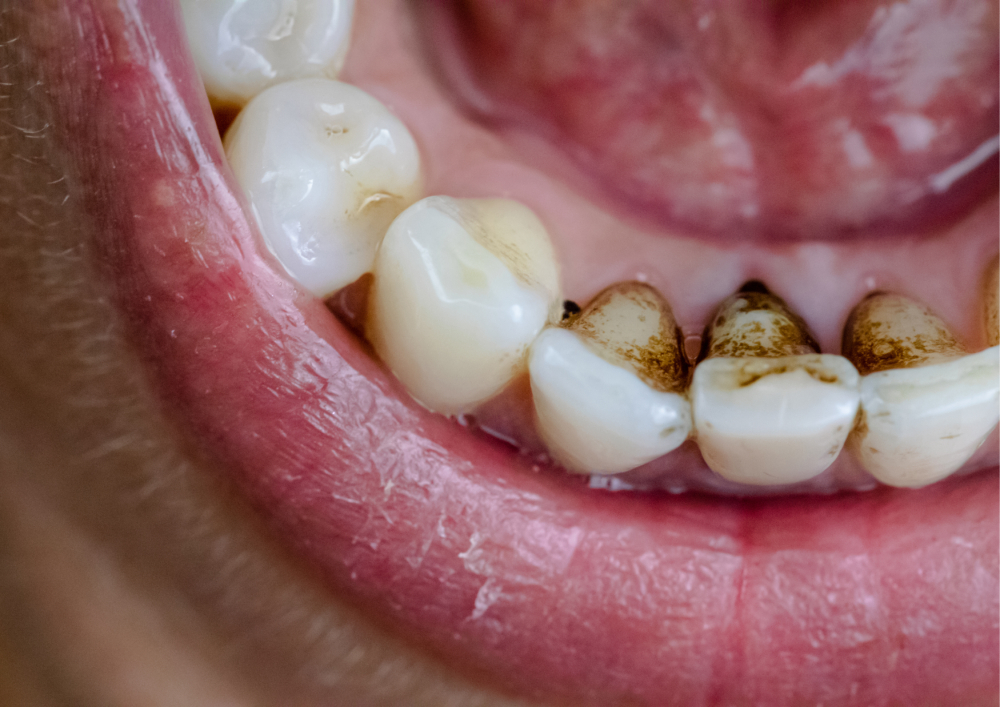 These stains form on the outer enamel due to everyday habits, such as:
- Drinking coffee, tea, red wine, or soda regularly
- Consuming strongly pigmented foods (curries, sauces, spices)
- Smoking or tobacco use (nicotine and tar buildup)
These types of stains are the most common and easiest to treat, as they do not affect the internal structure of the tooth.
Treatment options:
- Professional scaling and polishing
- Teeth whitening
- Lifestyle adjustments
2. Intrinsic Discoloration (Internal Staining)
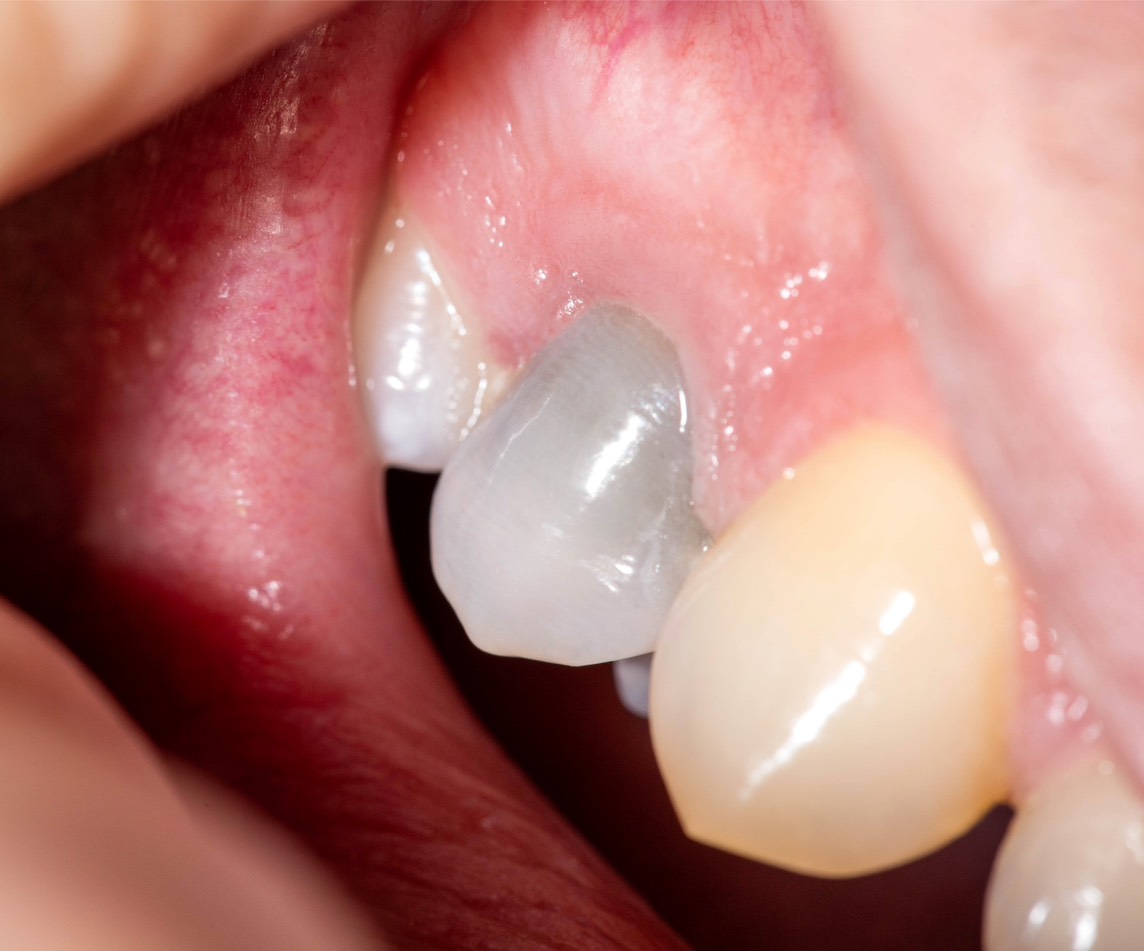
This occurs within the tooth structure and is often more noticeable and more challenging to treat.
Common causes include:
- Teeth that have undergone root canal treatment
- Dental trauma or injury
- Certain medications during childhood (e.g., tetracycline)
- Non-vital teeth or nerve damage
- Enamel development abnormalities
In these cases, surface treatments alone may not be effective.
Treatment options may include:
- Internal bleaching
- Veneers
- Dental crowns
3. Age-Related Discoloration
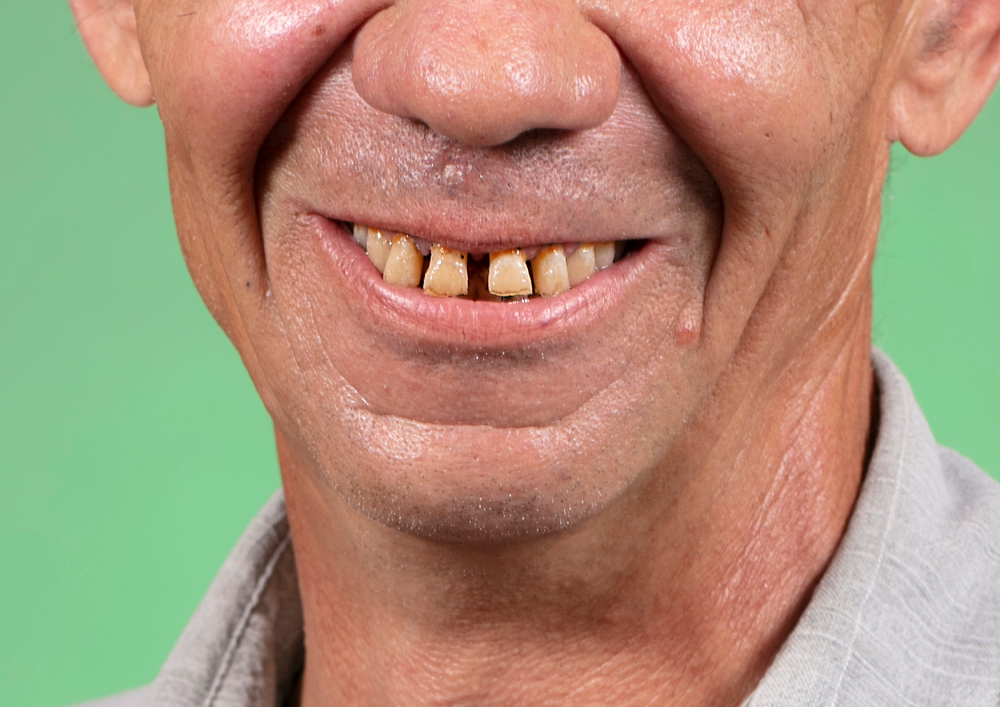 As we age:
- Enamel naturally becomes thinner
- The underlying dentin (which is more yellow) becomes more visible
Treatment:
- Teeth whitening can help improve brightness
- Results may be more subtle compared to surface stains
4. Poor Oral Hygiene
 Even if brushing twice daily, improper technique or incomplete cleaning can lead to plaque and tartar buildup.
Over time, this causes:
- Yellowing
- Dull appearance
- Loss of brightness
Prevention and treatment:
- Proper brushing technique
- Daily flossing
- Regular dental check-ups and cleaning
How to Restore Whiter Teeth Safely
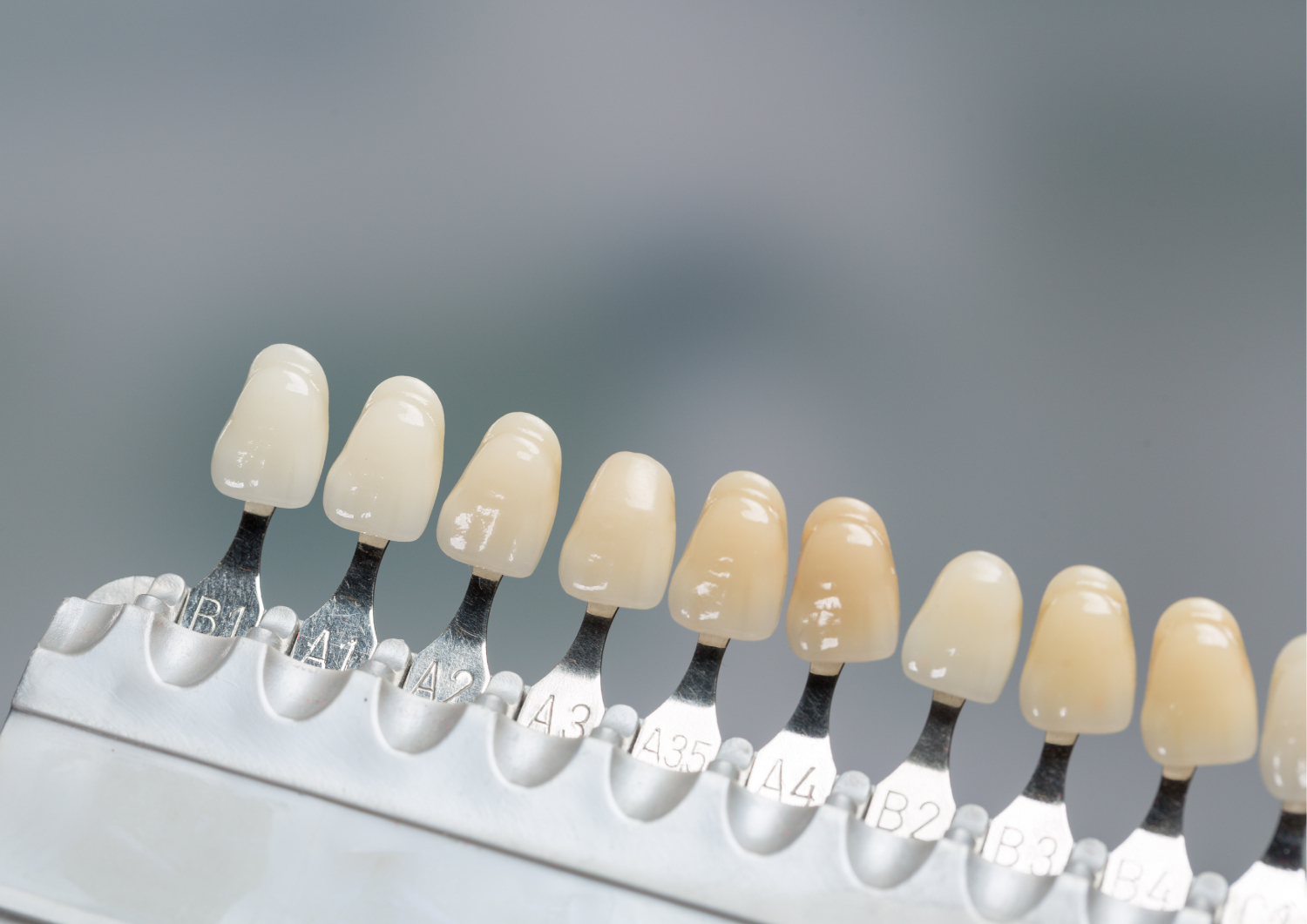
Achieving a whiter smile is not about making teeth as white as possible—but choosing the right method that:
- Preserves enamel
- Minimizes sensitivity
- Matches your natural smile
1. Scaling and Polishing
Best for: Surface stains
- Removes tartar and plaque
- Improves brightness instantly
- Non-invasive and essential for oral health
However, it does not change the natural tooth color.
2. Teeth Whitening
One of the most popular and effective options for a brighter smile. It works by breaking down pigment molecules within the tooth.
Types of Whitening:
- In-Clinic Whitening Fast results in a single visit under professional supervision
- At-Home Whitening (Custom Trays) Gradual, natural-looking results & Ideal for maintenance
- Internal Bleaching For root canal-treated teeth & Targets discoloration from within
⚠️ Whitening should always be done under professional guidance to avoid sensitivity or enamel damage.
3. Veneers or Crowns
Best for: Severe or intrinsic discoloration
These restorations improve:
- Tooth color
- Shape
- Alignment
How to Prevent Tooth Discoloration
Simple daily habits can significantly reduce staining:
- Brush properly twice daily
- Floss daily
- Limit staining beverages
- Avoid smoking
- Regular Dental Visits

FAQs: Tooth Discoloration
Q1: Can coffee stains be removed with whitening?
ตอบ : Yes. Surface stains respond well to whitening treatments.
Q2: Does whitening work for age-related yellowing?
ตอบ : Yes, but results may be more subtle.
Q3: Is frequent whitening safe?
ตอบ : Only if done under professional supervision. Overuse may cause sensitivity.
Q4: Do whitening toothpastes work?
Answer : They help remove surface stains but do not change internal tooth color.
Q5: If there’s no pain, is treatment necessary?
ตอบ : Discoloration can sometimes indicate underlying issues—evaluation is recommended.
Conclusion
Tooth discoloration is not just a cosmetic concern—it can sometimes reflect deeper dental conditions. The key to effective treatment is identifying the cause and selecting the appropriate solution, whether it’s:
- Professional cleaning
- Teeth whitening
- Or advanced restorative options
At Belix Dental, we focus on personalized, precise diagnosis and treatment planning—ensuring results that are natural, safe, and long-lasting.
Expert Insight by Dr. Pitchaya Vadhanakrai
Internal bleaching is a highly effective option for teeth that have darkened after root canal treatment. This technique works from within the tooth structure, allowing gradual and natural brightening—without aggressive preparation.
With proper case selection, results can last for many years while preserving the natural tooth.
Book Your Consultation
If you’re experiencing tooth discoloration or uneven tooth color, our team at Belix Dental (Langsuan – Ruamrudee, near BTS Ploenchit) is here to help. We offer personalized assessment and treatment options—from whitening to veneers—tailored to your smile.with our specialists
Medical content reviewed by
Dr. Pitchaya Vadhanakrai
Orthodontist, Invisalign Platinum Provider, and Founder of Belix Dental