Cavities (Tooth Decay)
Cavities are a common oral health condition that can affect people of all ages—not just children. Because they often begin as small, painless spots, many people tend to overlook them. However, cavities do not heal on their own and can progress silently over time.
If left untreated, they may lead to severe toothache, infection, or even tooth loss. Early detection allows for simpler treatment and helps preserve your natural teeth for longer.
What Are Cavities?
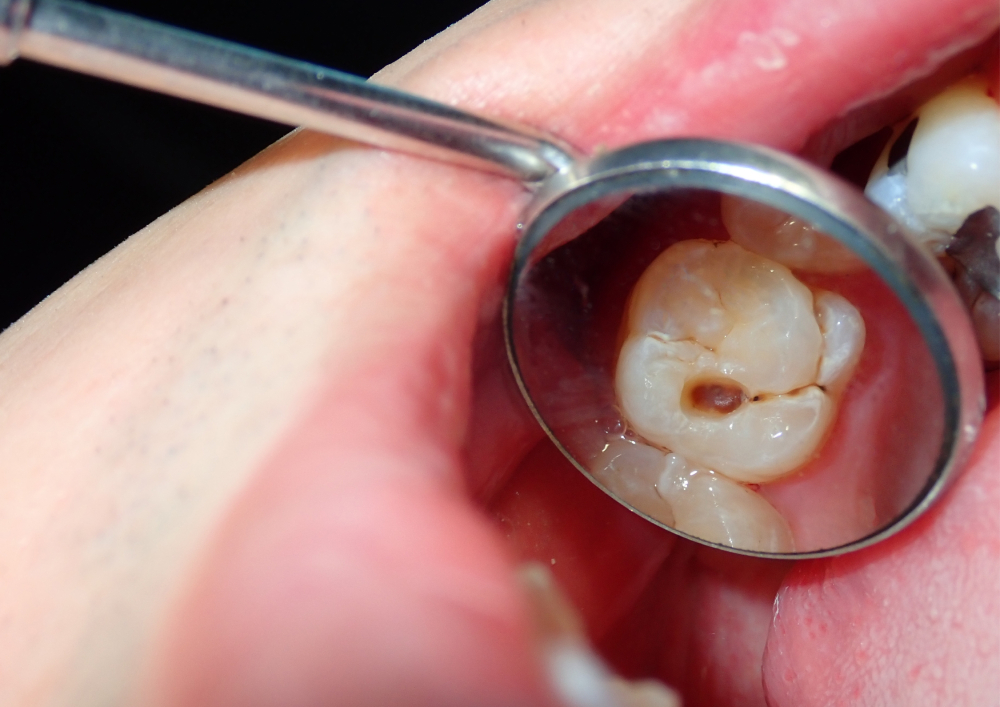 Cavities occur when the tooth structure is damaged by acids produced by bacteria in the mouth. These bacteria break down sugars and starches from food, releasing acids that gradually erode the enamel. Without proper care, this process continues, progressing from the enamel into deeper layers of the tooth
Main Causes of Cavities
- Inadequate brushing, especially in hard-to-reach areas
- Frequent consumption of sugary foods and drinks
- Plaque accumulation between teeth
- Dry mouth or reduced saliva
- Irregular dental check-ups
Stages of Cavities and Their Symptoms
Early Stage (Demineralization)
- White, chalky spots on the enamel
- No visible cavity yet
- Usually no pain
Enamel Decay
- Small cavities or dark spots may appear
- Mild sensitivity to sweet, hot, or cold
Dentin Involvement
- Increased sensitivity or pain
- Discomfort when eating
Treatment: Filling or further treatment depending on severity
Pulp Involvement (Advanced Stage)
- Severe, persistent, or throbbing pain
- Pain may radiate or occur spontaneously
- Possible swelling or infection
Treatment Options for Cavities
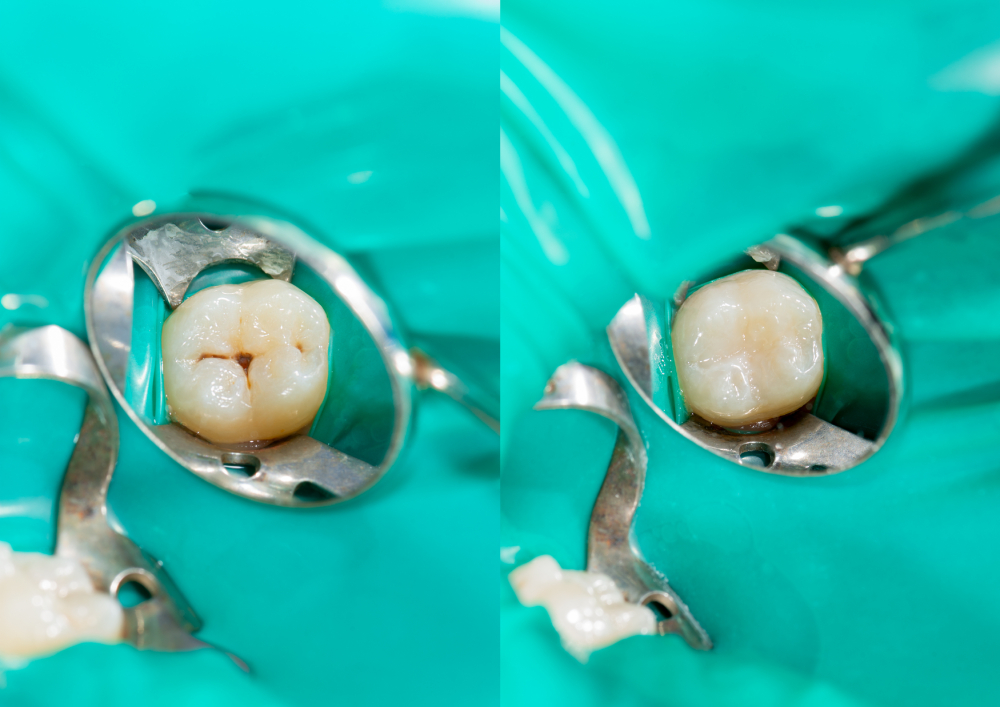 Treatment depends on the stage:
1. Dental Filling
For early to moderate decay, to stop further progression and restore the tooth structure
2. Root Canal Treatment
For deep decay affecting the pulp, removing infection and preserving the tooth.
3. Tooth Extraction
For severely damaged teeth that cannot be restored.
What Happens If Cavities Are Left Untreated?
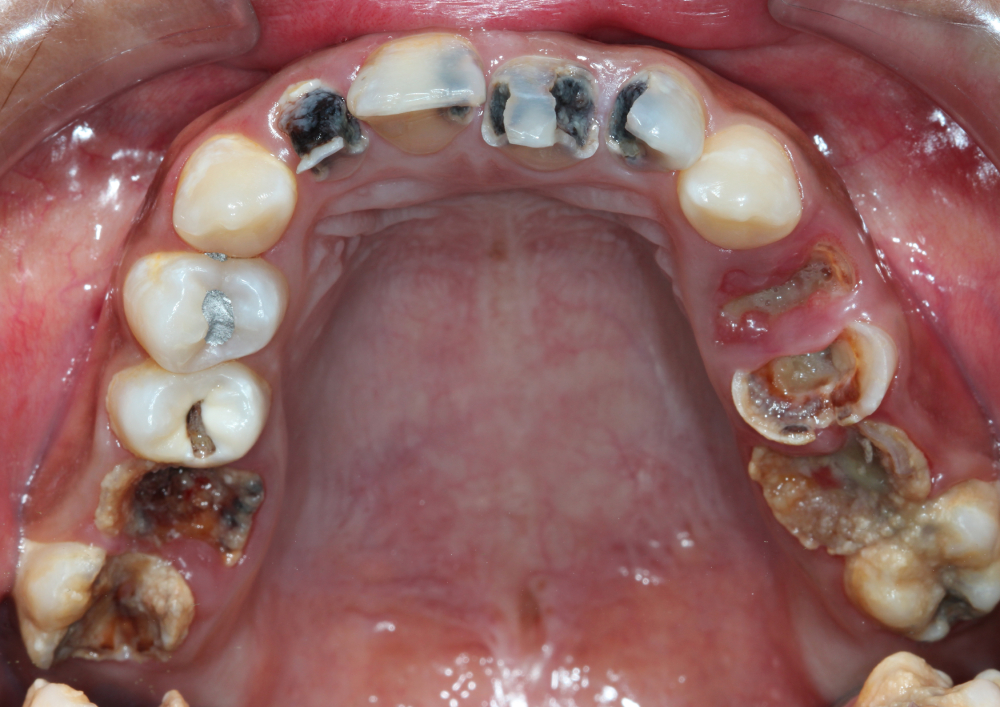 As mentioned earlier, if tooth decay is left untreated, bacteria will progressively destroy the tooth structure—starting from the outer enamel and reaching deep into the dental pulp. The deeper the decay penetrates, the more severe the symptoms become, leading to the following issues:
1. Chronic toothache
When decay progresses from the enamel into the dentin or dental pulp, the pain becomes more intense. It can be intermittent or constant, significantly disrupting your daily life.
2. Dental abscess (pus, swelling, bad breath)
Decay can lead to an internal infection, resulting in a dental abscess, swollen gums, and bad breath. If left untreated, the infection can spread to the tissues surrounding the tooth.
3. Tooth fracture or mobility
As the tooth structure is destroyed, it becomes weakened and prone to cracking or fracturing. In the long run, this can lead to tooth mobility (loose teeth) and eventual tooth loss.
4. Spread of infection to surrounding structures
In severe cases, the infection can spread to the jawbone, sinuses, or nearby tissues, making treatment much more difficult and complex.
5. Difficulty chewing
Tooth pain prevents you from chewing food thoroughly, which puts a heavier burden on your digestive system.
6. Loss of confidence due to appearance or odor
Beyond physical health, decay impacts self-esteem. It can make you hesitant to smile or speak, lead to habits like tongue-thrusting at the affected area, and cause chronic bad breath.
Even in children, cavities in baby teeth should not be ignored, as they affect chewing, speech, and alignment of permanent teeth.
How to Prevent Cavities
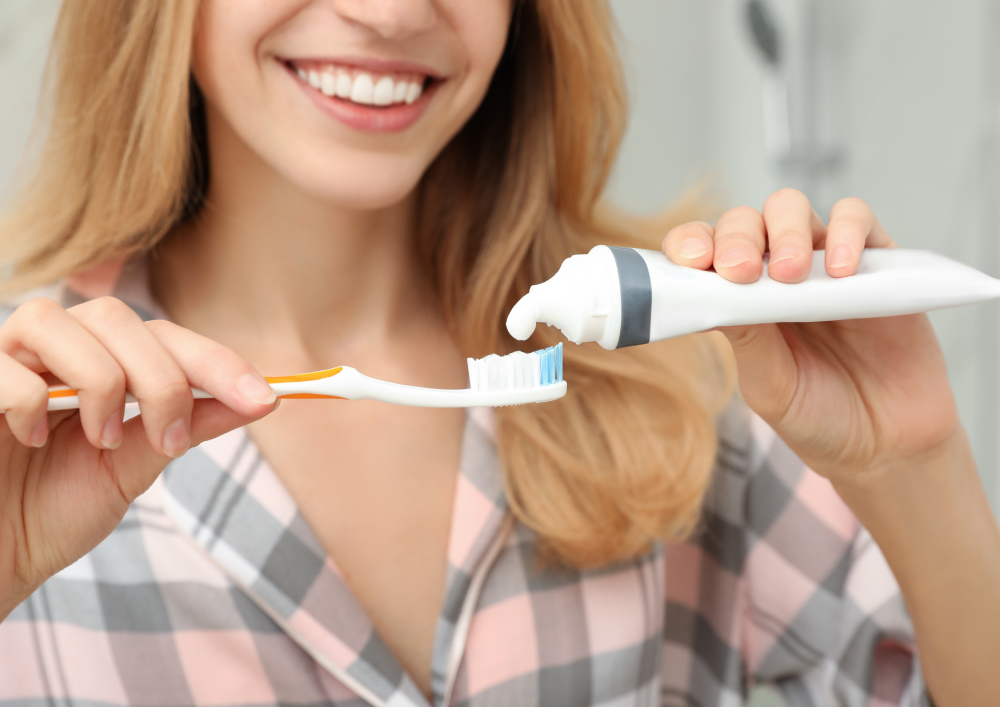 Tooth decay is preventable through the modification of daily routines. These preventive measures can be divided into three key components: oral hygiene maintenance, dietary adjustments, and routine dental examinations.
Oral Care
- Brush twice daily (morning and before bed) for at least 2 minutes
- Use fluoride toothpaste
- Clean between teeth daily (floss/interdental brushes)
- Rinse after meals
Diet Habits
- Reduce sugary foods and drinks
- Eat a balanced diet rich in fruits and vegetables
- Drink water after consuming sweets
Regular Check-ups
- Dental check-ups and scaling every 6 months
- Preventive care for children (fluoride, sealants)
FAQs: Cavities (Tooth Decay)
Q1: Do early cavities need treatment if there’s no pain?
Yes—early treatment is the simplest and most effective.
Q2: Can cavities heal on their own?
No—once structure is damaged, professional treatment is required.
Q3: If there’s no hole, is it still a cavity?
Yes—early stages may appear as white spots and are reversible.
Q4: Do baby teeth cavities need treatment?
Yes—they affect development of permanent teeth.
Q5: Can cavities return after filling?
Yes—if oral hygiene is inadequate.
Conclusion
Cavities are common but often underestimated. Since they do not resolve naturally, early treatment—even before pain occurs—is essential.
With proper care, dietary habits, and regular dental visits, cavities can be prevented or detected early, allowing for simpler and more effective treatment.
At Belix Dental Clinic, we emphasize preventive care alongside precise diagnosis using advanced technology—helping detect early-stage decay and provide personalized treatment for long-term oral health and confident smiles.
Expert Insight by Dr. Pitchaya Vadhanakrai
Did you know?
The recommendation to visit the dentist every 6 months is based on preventive dentistry. Cavities can develop and progress quickly when plaque and sugar accumulate over time. Early-stage cavities are reversible with the right care—the earlier they are detected, the simpler the treatment.
Even though modern toothpaste contains ingredients like fluoride, CPP-ACP, and hydroxyapatite, the most important factor remains regular dental check-ups for early detection and timely treatment.
Book Your Consultation
If you are experiencing cavities, sensitivity, or tooth damage, our team at Belix Dental (Langsuan–Ruamrudee, near BTS Ploenchit) is here to help.We use high-resolution digital imaging to assess decay depth and provide personalized treatment—whether fillings or root canal treatment.
with our specialists
Medical content reviewed by
Dr. Pitchaya Vadhanakrai
Orthodontist, Invisalign Platinum Provider, and Founder of Belix Dental