Denture
Is It Normal? Causes and the Right Treatment Approach
Losing multiple teeth can happen at any age—not just in older adults. Beyond aesthetics, it directly affects daily life, from chewing difficulties and unclear speech to reduced confidence when smiling.
Many people choose removable dentures as a solution. However, some later experience looseness, discomfort, or repeated adjustments—making it feel like a poor long-term investment. The key is starting with the right choice and maintaining proper care. When done correctly, dentures can be comfortable, functional, and long-lasting.
This guide will walk you through how to choose the right type, care for your dentures, and recognize early signs of problems—so your treatment remains truly worthwhile.
Choosing the Right Removable Denture from the Start
Selecting a denture is not just about replacing missing teeth—it’s about planning for long-term comfort, durability, and function. If the wrong type is chosen, it may lead to recurring issues such as looseness, soreness, or breakage.
Here are the main types of removable dentures:
1. Acrylic Dentures (Complete or Partial)
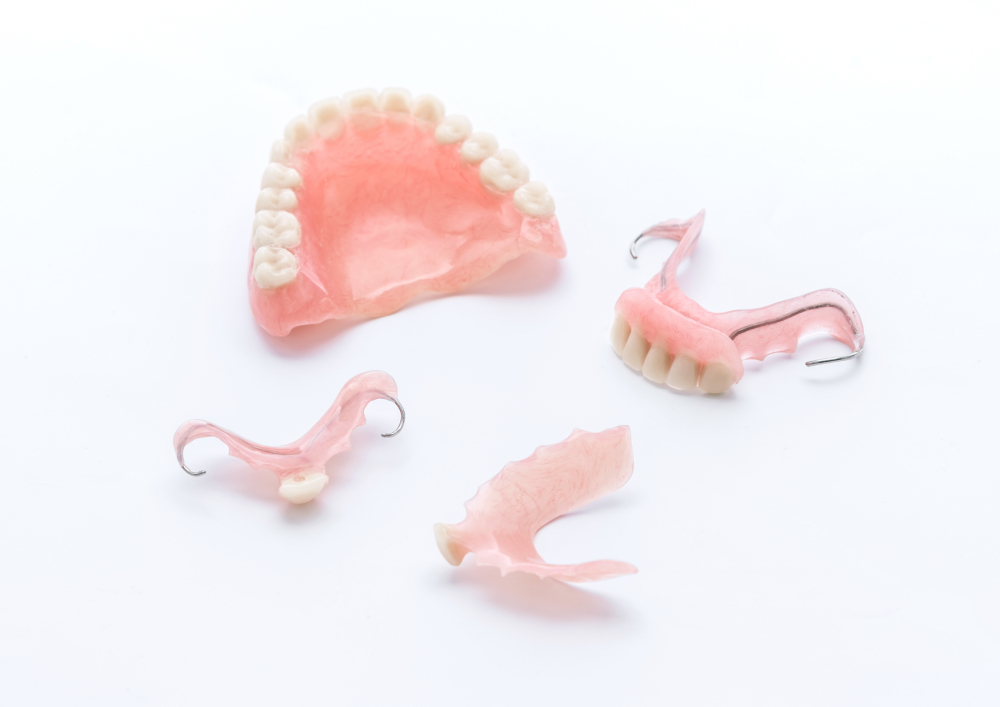
These are the most common and accessible option.
- Advantages: Affordable, quick to fabricate, easy to repair.
- Limitations: Bulkier structure, may become loose over time as gums change, requires periodic adjustment.
Overall, they offer moderate durability and are suitable for many patients as an initial solution.
2. Metal Framework Dentures
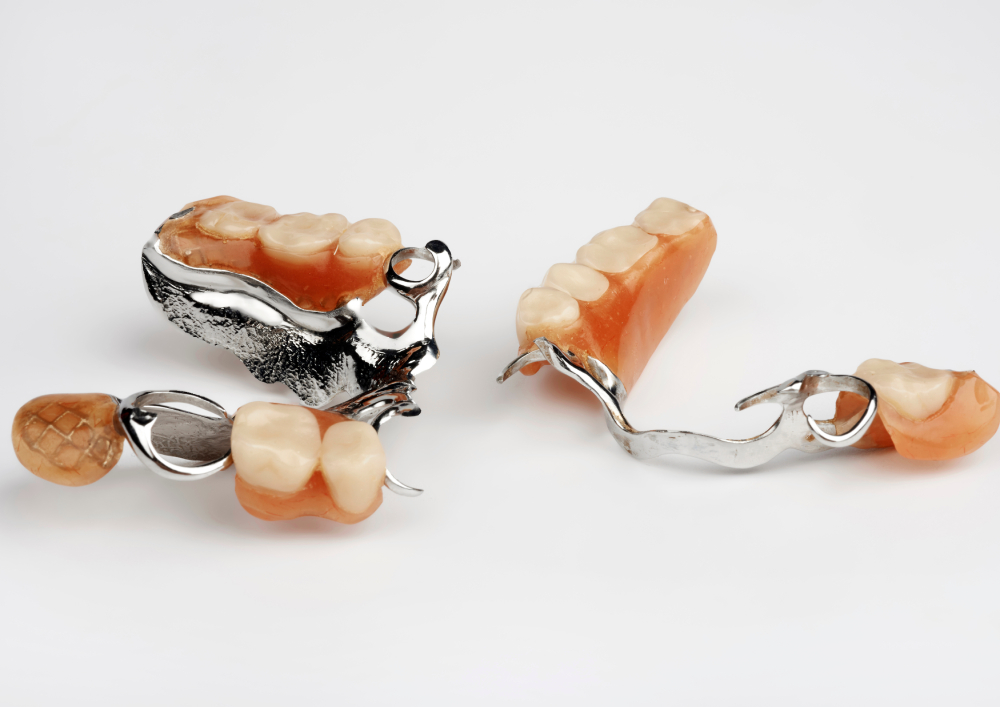
Designed with a thinner, stronger metal base.
- Advantages: More durable, thinner and more comfortable, better fit compared to acrylic.
- Limitations: Higher cost, more complex to repair.
These provide good long-term performance, especially for partial dentures.
3. Flexible Dentures
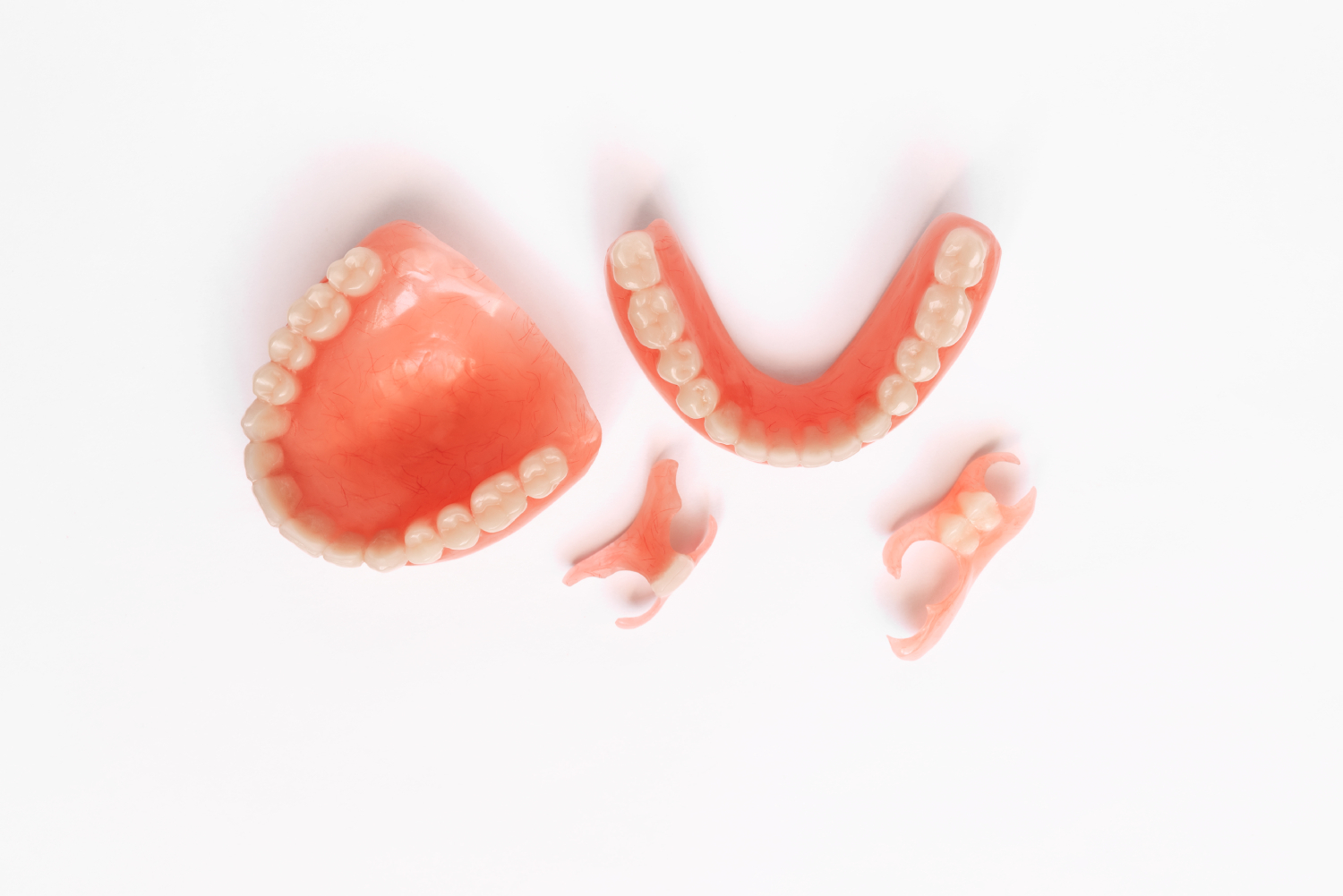
Made from soft, flexible materials that adapt closely to the gums.
- Advantages: Comfortable and lightweight, natural-looking.
- Limitations: Cannot be easily repaired, material may degrade over time.
Durability is moderate, with comfort being the main benefit.
4. Implant-Supported Overdentures
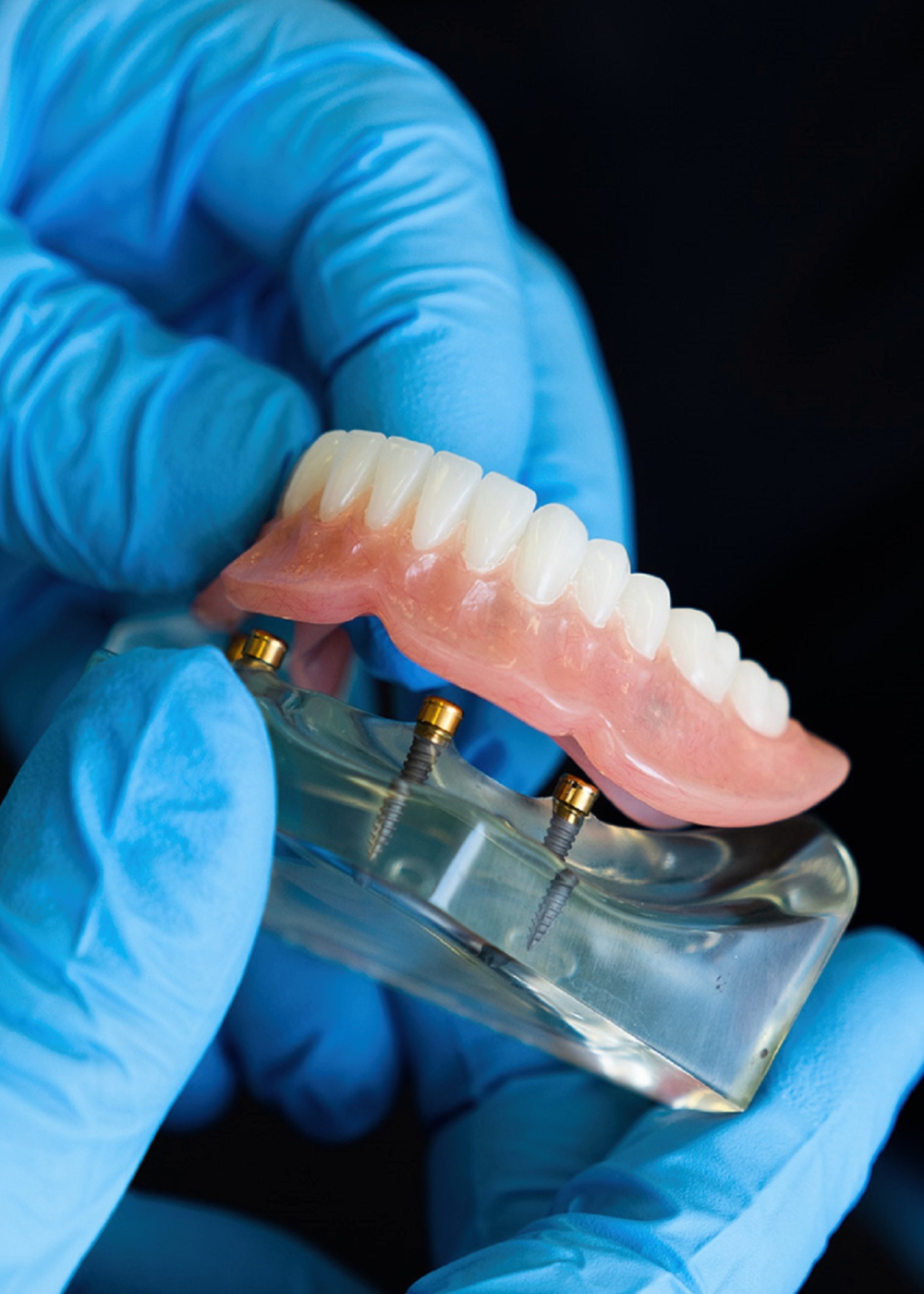
A removable denture supported by dental implants.
- Advantages: Significantly improved stability, better chewing efficiency, less movement even with bone loss.
- Limitations: Higher cost, requires implant surgery.
This option offers excellent stability and function, especially for patients seeking a more secure solution.
Factors to Consider for Long-Term Value
Beyond the type of denture, long-term success depends on:
- Chewing habits (e.g., frequent hard foods)
- Gum and bone condition
- Number of missing teeth
- Long-term expectations
A detailed consultation ensures the denture is not only wearable—but truly functional and sustainable.
How to Care for Your Dentures
Even the best dentures can deteriorate quickly without proper care.
Daily Care Essentials:
- Remove and clean dentures after meals
- Use a soft brush or denture-specific brush (avoid abrasive toothpaste)
- Soak in water or denture solution, especially overnight
- Rinse thoroughly before wearing
Habits to Avoid:
- Do not use hot water (may warp the material)
- Avoid leaving dentures dry overnight
- Avoid biting hard or sticky foods that may damage the denture
Warning Signs Your Dentures Need Attention
Over time, both the denture and your oral tissues change. Watch for these signs:
- Dentures feel loose or unstable
- Pain, sore spots, or repeated irritation
- Changes in chewing or speech
- Persistent odor or buildup
- Cracks, chips, or distortion
Managing Common Denture Problems
Some minor issues can be managed temporarily, but others require professional care.
You May Try Initially: Using denture adhesive for mild looseness (short-term only), improving cleaning routine for odor or buildup, or removing dentures to rest the gums.
See a Dentist If: Pain or sores persist, dentures become significantly loose, damage or breakage occurs, or dentures have not been checked for years.
FAQs: Denture
Q1: How often should dentures be replaced?
Typically every 3–5 years, depending on wear and changes in gum and bone structure.
Q2: Can I wear dentures while sleeping?
Not recommended. Removing them at night allows the gums to rest and reduces infection risk.
Q3: Can dentures be whitened?
No. Denture materials do not respond to whitening. Replacement is required if discoloration is significant.
Conclusion
The longevity and value of dentures depend on more than just the material. It begins with choosing the right type, followed by proper daily care and early management of any issues. With the right approach, dentures can be comfortable, functional, and long-lasting—without frequent adjustments or replacements.
Expert Insight by Dr. Pitchaya Vadhanakrai
Gums are not naturally designed to load chewing forces. Think of how uncomfortable it feels when food gets lodged against the gums—that’s because gums are not meant to load pressure like teeth.
Removable dentures help improve chewing compared to having no teeth, but they still do not function like natural teeth. Adding dental implants to support dentures helps distribute chewing forces more effectively and improves stability—reducing pressure on the gums over time and enhancing overall function.
Book Your Consultation
If you are missing multiple teeth or considering dentures, the right treatment can restore both function and confidence.
At Belix Dental (Langsuan–Ruamrudee, near BTS Ploenchit), we provide:
- Comprehensive diagnosis and planning
- Personalized denture solutions
- Long-term follow-up for optimal performance
Restore your smile with comfort, confidence, and lasting value.
with our specialists
Medical content reviewed by
Dr. Pitchaya Vadhanakrai
Orthodontist, Invisalign Platinum Provider, and Founder of Belix Dental