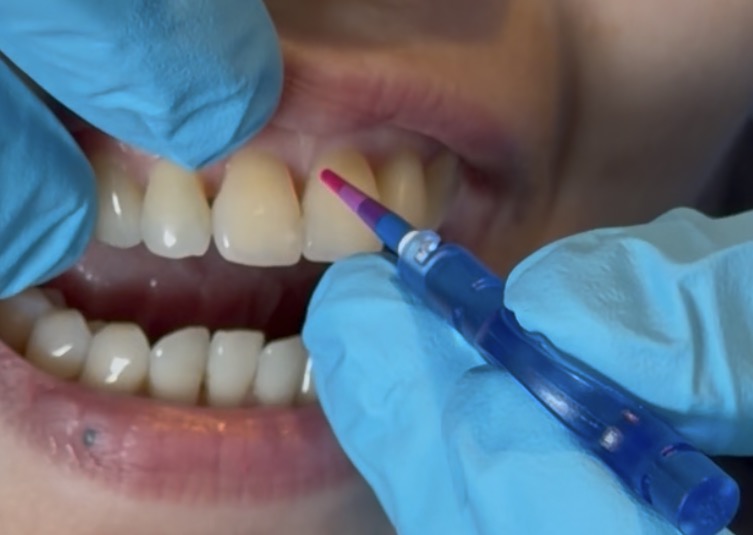
Chewing on One Side
Chewing on One Side: A Hidden Risk for Jaw Pain, Tooth Wear, and Facial Imbalance
Many people don’t realize they chew on one side more than the other—whether due to habit, comfort, or mild discomfort on the opposite side.
It may seem insignificant, but this small behavior can gradually lead to uneven force distribution, affecting your teeth, jaw, and even facial balance over time. You may start to notice:
- Jaw discomfort
- Uneven tooth wear
- Subtle changes in facial symmetry
This article will help you understand why it happens, its long-term impact, and how to correct it before the problem becomes more complex.
What Happens When You Chew on One Side?
Chewing should distribute force evenly across both sides. When it doesn’t, repeated stress concentrates on one side—leading to imbalance.
1. Effects on Teeth
- Uneven tooth wear
- Increased risk of cracks, mobility, or sensitivity
- Higher risk of localized decay due to uneven cleaning patterns
2. Effects on Muscles and Jaw
- Muscle imbalance (one side overworked, the other underused)
- Jaw pain or fatigue
- Clicking sounds when opening the mouth
- Increased risk of TMD (temporomandibular disorders)
3. Effects on Facial Balance
- Gradual asymmetry
- One side of the jaw appearing more prominent
- Subtle facial imbalance, especially noticeable in photos
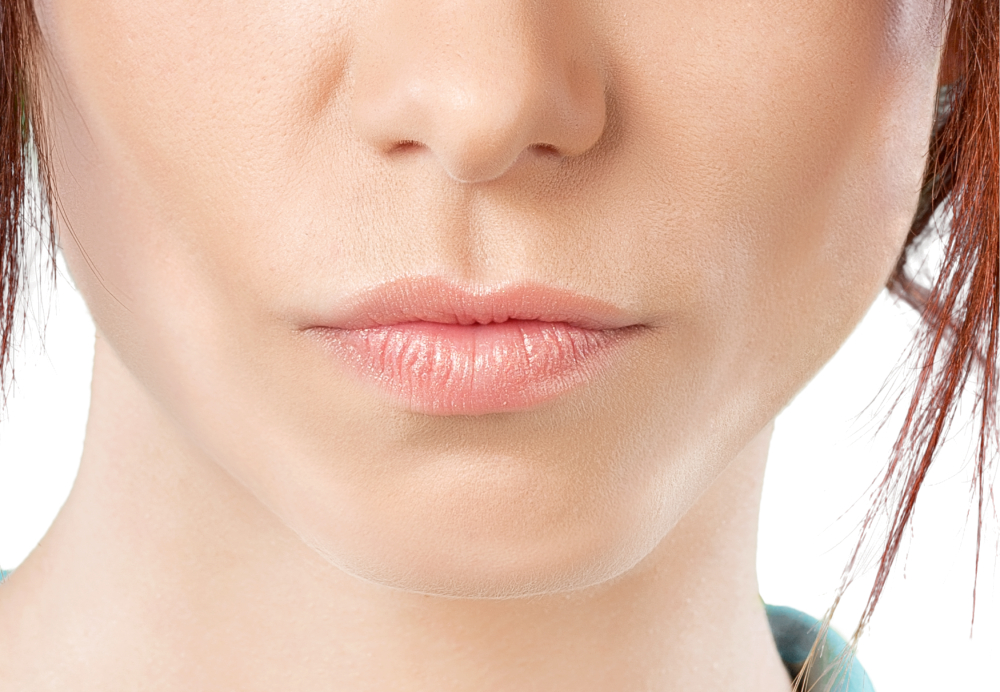
These changes develop gradually—but the longer the habit continues, the more pronounced and complex they become to correct.
Why Do We Chew on One Side Without Realizing?
This habit is rarely random—it is often your body’s way of avoiding discomfort.
1. Underlying Dental Issues
- Tooth decay or sensitivity
- Cracked or missing teeth
- Bite misalignment
- Jaw discomfort or TMD
Your body naturally shifts chewing to the more comfortable side.
2. Habitual Behavior
- Past pain leading to long-term avoidance
- Preference for one “dominant” side
- Habits formed since childhood
Over time, this becomes automatic and unconscious.
How to Fix One-Sided Chewing
Correcting this habit requires both behavioral adjustment and treating the root cause.
1. Retrain Your Chewing Habit
- Practice chewing on both sides consciously
- Start with softer foods
- Observe and correct yourself during meals
2. Address the Underlying Cause
- Treat decay or sensitivity
- Restore damaged or missing teeth
- Correct bite issues (orthodontics if needed)
3. Manage Jaw and Muscle Symptoms
- Rest the affected side temporarily
- Avoid hard or chewy foods
- Apply warm compresses
- Perform gentle jaw exercises
If symptoms persist (pain, clicking, limited movement), professional evaluation is recommended.
FAQs: Chewing on One Side
Q1: Can chewing on one side cause facial asymmetry?
Yes. Over time, uneven muscle use can lead to visible imbalance in the jaw and facial structure.
Q2: Can I fix it on my own?
In mild cases, yes—if it’s purely habitual. However, if caused by dental issues, professional treatment is necessary.
Q3: What happens if I ignore it?
It may lead to worsening tooth wear, jaw problems, and more noticeable facial imbalance—often requiring more complex treatment later.
Conclusion
Chewing on one side may seem harmless, but it can have significant long-term effects on your teeth, jaw, and facial balance. The key is early awareness and correction—both in habit and underlying causes.
Expert Insight by Dr. Pitchaya Vadhanakrai
Teeth, bone, and muscles function as one integrated system (musculoskeletal complex).
Think of it like a car system—its axles and wheels—where balance and alignment are essential for proper function. When one part becomes imbalanced, missing, or underperforming, forces are redistributed to other areas, creating a chain effect.
If you experience sensitivity, pain, uneven chewing, or missing teeth, it should not be overlooked. The earlier the imbalance is addressed, the easier it is to restore function and long-term stability.
Book Your Consultation
If you notice that you tend to chew on one side or experience jaw discomfort, early evaluation can help prevent long-term complications.
At Belix Dental (Langsuan–Ruamrudee, near BTS Ploenchit), we provide:
- Comprehensive diagnosis of bite and function
- Personalized treatment planning
- Solutions to restore balance and long-term oral health
Rebalance your bite. Restore your confidence.
with our specialists
Medical content reviewed by
Dr. Pitchaya Vadhanakrai
Orthodontist, Invisalign Platinum Provider, and Founder of Belix Dental