
Oral Health and Longevity
Why Keeping at Least 20 Natural Teeth at the Age of 80 Matters More Than You Think
When people think about longevity, they often focus on exercise, nutrition, quality sleep, or regular health check-ups. Yet one essential factor is frequently overlooked: oral health.
Growing scientific evidence suggests that healthy teeth and gums are closely associated with effective chewing, proper nutrition, chronic inflammation (inflammaging), quality of life, and healthy aging.
Oral health is therefore much more than maintaining a beautiful smile—it is an integral part of lifelong health and well-being.
Oral Health: An Often Overlooked Pillar of Longevity
Modern longevity medicine commonly emphasizes the Six Pillars of Healthy Aging:
- Nutrition
- Physical Activity
- Sleep
- Stress Management
- Avoiding Harmful Substances
- Social Connection
While each pillar plays a vital role, they all depend on one fundamental ability: maintaining good oral health and being able to chew food effectively.
When chewing function declines due to tooth loss or oral disease, nutritional intake may also decline, affecting overall health, quality of life, and physical resilience as we age.
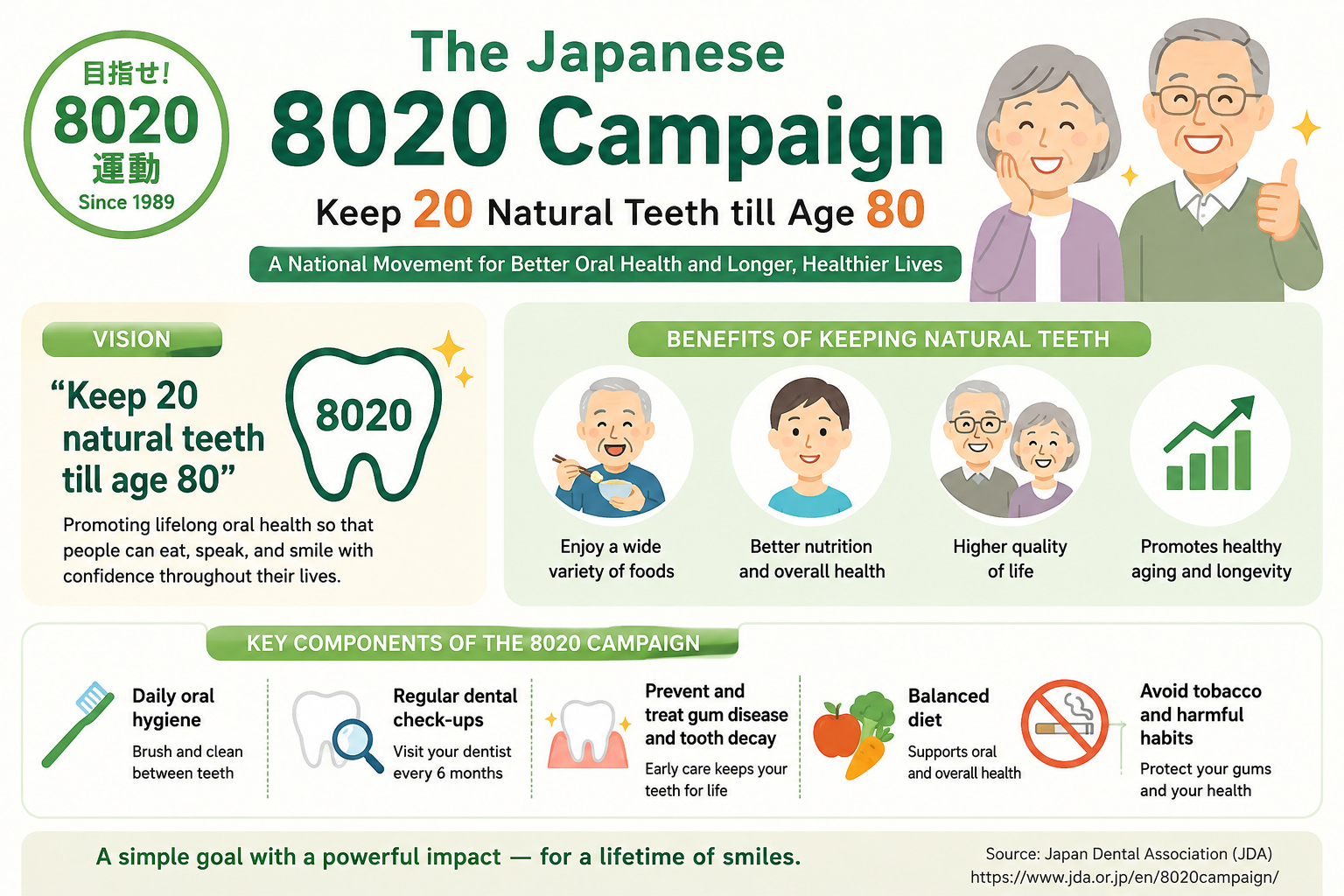
What Is the 8020 Rule?
One of the world’s best-known oral health initiatives is Japan’s 8020 Campaign, which encourages people to retain at least 20 natural teeth by the age of 80.
The goal extends far beyond preserving appearance. Maintaining functional natural teeth enables older adults to chew efficiently, enjoy a varied diet, maintain good nutrition, and preserve independence and quality of life.
Evidence Highlight
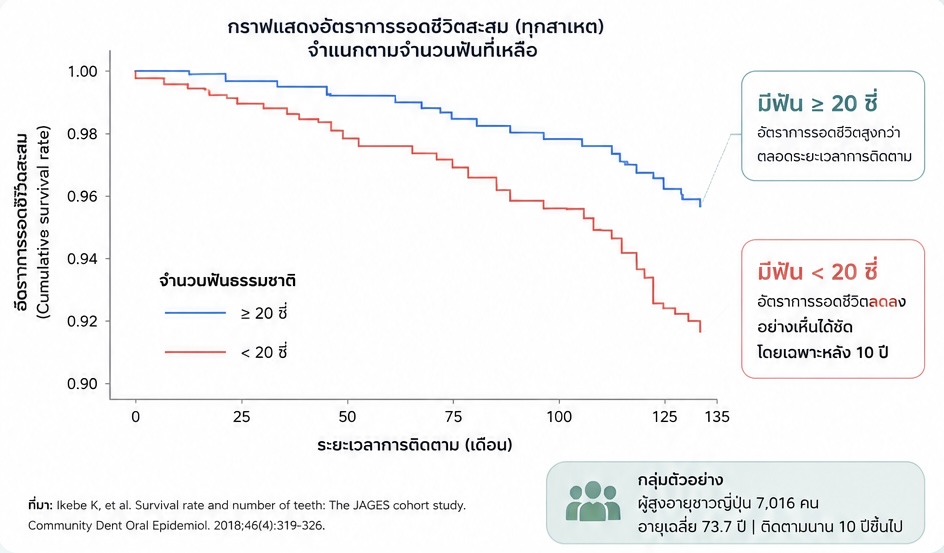
A prospective observational study published in BMC Oral Health reported that individuals with 20 or more natural teeth had a lower risk of all-cause mortality compared with those who had fewer than 20 teeth. They also demonstrated better nutritional status and overall health outcomes.
How Does Oral Health Influence Longevity?
1. Better Chewing Supports Better Nutrition
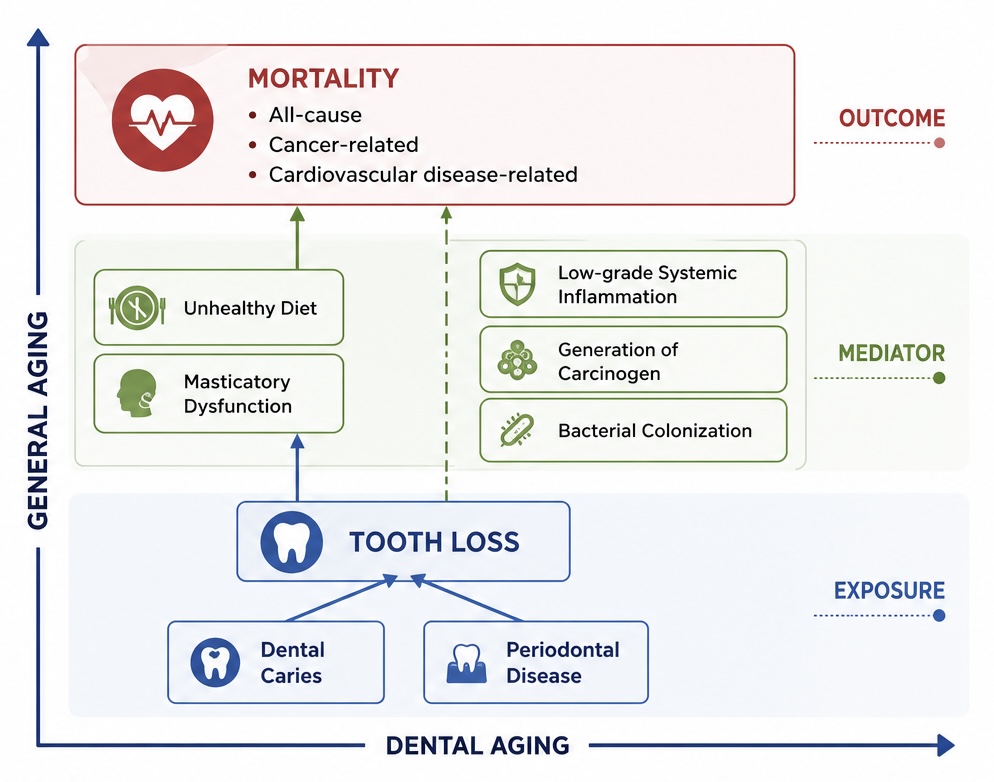
Efficient chewing allows people to consume a wide variety of nutritious foods, including vegetables, fruits, protein-rich foods, and fiber.
Conversely, tooth loss often leads people to avoid harder, healthier foods in favor of softer, processed alternatives, increasing the risk of poor nutrition, muscle loss, and reduced quality of life.
2. Oral Health Helps Maintain a Balanced Oral Microbiome
The mouth is home to hundreds of species of microorganisms collectively known as the oral microbiome.
When dental plaque accumulates and gum disease develops, this microbial ecosystem may become imbalanced, a condition known as oral dysbiosis.
Emerging evidence suggests that the oral microbiome and gut microbiome are interconnected, making this an important area of ongoing research in healthy aging and longevity.
3. Chronic Gum Disease and Inflammaging
Inflammaging refers to chronic, low-grade inflammation that develops over time and is recognized as one of the biological mechanisms underlying aging.
Periodontal disease is one of the most common chronic inflammatory diseases worldwide. If left untreated, inflammatory mediators and certain oral bacteria may enter the bloodstream, increasing systemic inflammatory burden and being associated with several chronic conditions.
Although current evidence does not establish a direct cause-and-effect relationship, maintaining healthy gums is increasingly recognized as an important component of overall health and healthy aging.
Oral Health Supports Every Pillar of Longevity
| Longevity Pillar | Oral Health Contribution |
|---|---|
| Nutrition | Supports efficient chewing and nutrient intake |
| Physical Activity | Helps maintain nutrition for muscle and bone health |
| Sleep | Reduces discomfort from dental disease that may disturb sleep |
| Stress Management | Better oral health improves confidence and quality of life |
| Avoid Harmful Substances | Smoking cessation reduces periodontal disease risk |
| Social Connection | A healthy smile supports communication and social well-being |
How to Protect Your Oral Health for Healthy Aging
Maintaining good oral health is one of the simplest long-term investments you can make for healthy aging.
Healthy habits include:
- Brushing twice daily with fluoride toothpaste
- Cleaning between the teeth every day
- Having regular dental examinations and professional cleanings every six months, or as recommended by your dentist
- Treating gum disease and tooth decay at an early stage
- Replacing missing teeth when appropriate to restore chewing function
Oral Health Is a Long-Term Investment in Quality of Life
Oral health is not only about creating a beautiful smile.
Healthy teeth and gums allow us to eat comfortably, communicate confidently, and maintain our quality of life throughout every stage of life.
By supporting proper nutrition, reducing chronic inflammatory burden, and preserving daily function, good oral health becomes an essential component of healthy aging and longevity.
Looking after your oral health today is an investment in your future health.
FAQ
Does having fewer than 20 natural teeth affect overall health?
People with significant tooth loss may experience reduced chewing efficiency, making it more difficult to maintain a balanced diet. Numerous studies have shown that having fewer than 20 natural teeth is associated with poorer nutritional status and lower quality of life in older adults.
Is gum disease associated with heart disease?
Research suggests that people with periodontal disease have a higher risk of cardiovascular disease than those with healthy gums. Although a direct causal relationship has not been conclusively established, preventing and treating periodontal disease is considered an important part of maintaining overall health.
Can oral health really influence longevity?
Current evidence indicates that good oral health supports better nutrition, improved quality of life, and a lower burden of chronic inflammation—all of which are important contributors to healthy aging and longevity.
Expert Insight by Dr. Pomm
Throughout my years of clinical practice, I have found that many patients brush their teeth every day but have never truly learned how to brush effectively for their own mouth. During every routine dental examination and professional cleaning, I use plaque-disclosing agents to help patients identify the areas they consistently miss, then provide personalized brushing and interdental cleaning techniques. Chronic gum disease—one of the factors associated with inflammaging—is largely preventable through proper daily oral care and regular dental visits every six months.
with our specialists
References
- Tan H, et al. Association between presence of 20 or more natural teeth and all-cause, cancer-related, and cardiovascular disease-related mortality: Yamagata (Takahata) prospective observational study. BMC Oral Health.
- Japan Dental Association. The 8020 Campaign.
- Tonetti MS, Jepsen S, Jin L, Otomo-Corgel J. Impact of periodontal diseases on health. Journal of Clinical Periodontology.
- Hajishengallis G. Periodontitis and systemic inflammation. Nature Reviews Immunology.
- World Health Organization. Global Oral Health Status Report.


