Dental Post
What is a Dental Post? Is It Necessary? Types and Common Issues Explained
When a tooth is severely decayed, fractured, or has undergone root canal treatment, dentists often recommend placing a dental post before restoring it with a crown. This can raise important questions: What exactly is a dental post? Is it truly necessary—or just an added cost?
This guide will walk you through everything you need to know—from definition and indications to types of posts, how they compare, and common issues after treatment—so you can make a confident and informed decision.
What Is a Dental Post? Is It Necessary?
A dental post is a material placed inside the root canal of a treated tooth to act as a foundation for the core build-up and crown. Think of it as internal reinforcement—helping restore strength and stability to a tooth that has lost a significant amount of its natural structure.
Not all teeth require a post. If sufficient tooth structure remains, a filling or crown alone may be enough. However, a post is often recommended when:
- The tooth is severely decayed or structurally compromised
- The tooth has fractured beyond simple restoration
- The tooth has undergone root canal treatment and needs additional support
In these cases, a post helps reduce the risk of:
- Crown dislodgement
- Structural failure
- Long-term complications
Ultimately, the decision depends on how much natural tooth structure remains and how the tooth will function over time.
Types of Dental Posts: Which One Is Right?
Dental posts are generally categorized into two main types:
1. Metal Post
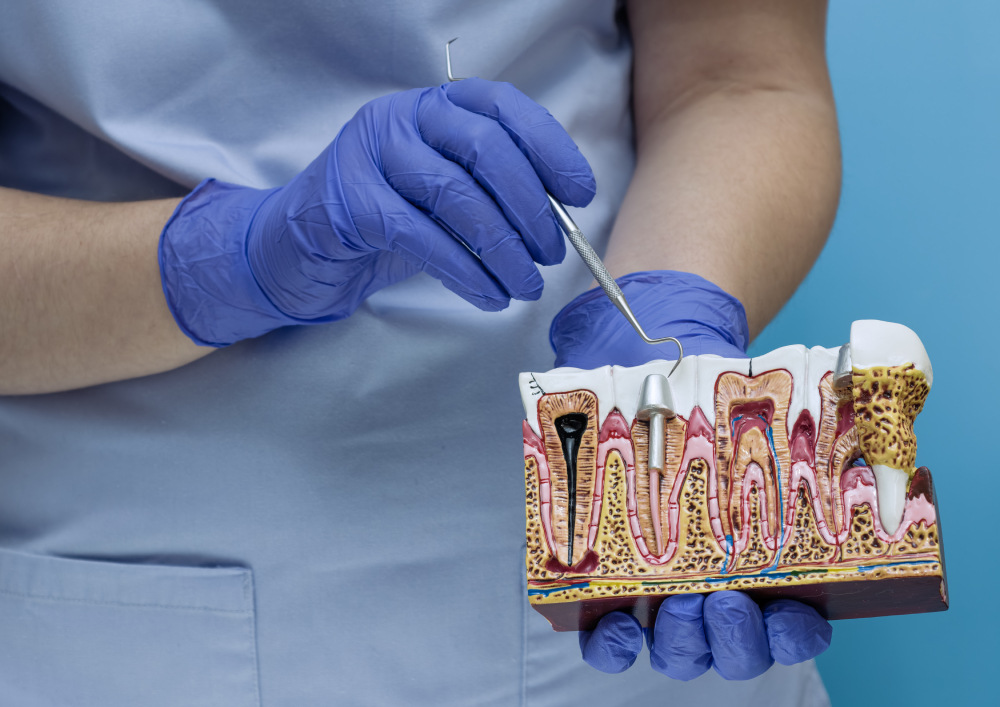
Typically made from stainless steel or metal alloys, metal posts have been used for many years.
Advantages:
- High strength and durability
- Suitable for molars that bear strong chewing forces
- Long clinical track record
Limitations:
- Metallic color may affect aesthetics (especially in front teeth)
- High rigidity may increase the risk of root fracture in some cases
2. Fiber Post
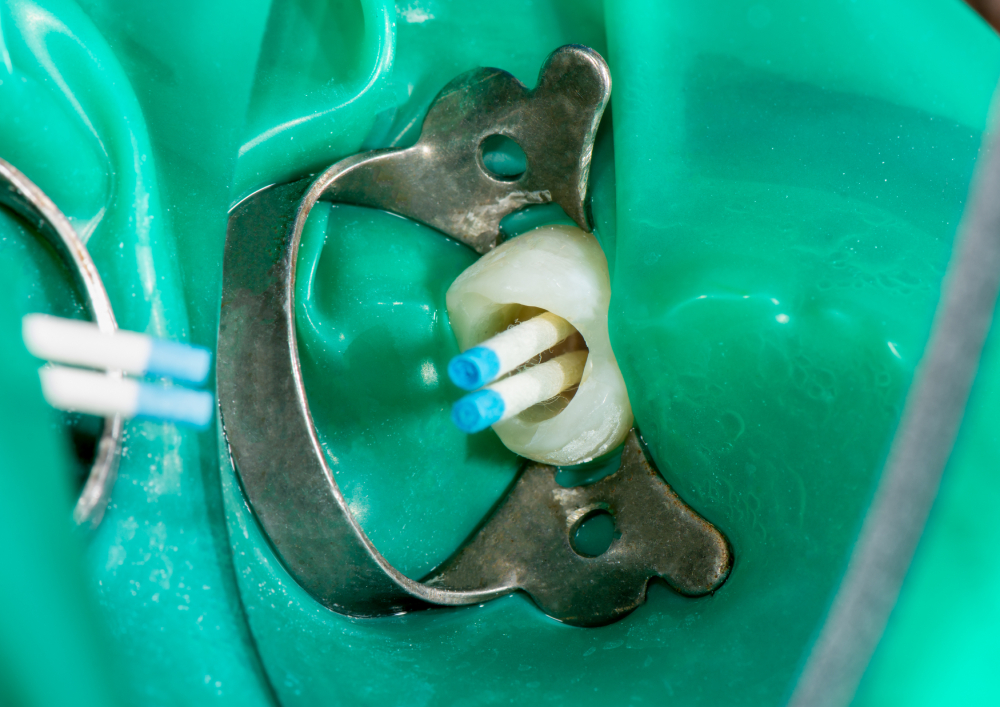
Made from glass fiber or composite materials, fiber posts are designed to mimic the natural flexibility of dentin.
Advantages:
- Tooth-colored, ideal for aesthetic areas
- More flexible, helping distribute stress more evenly
- Lower risk of root fracture
Limitations:
- Slightly less rigid than metal in high-load situations
- May not be ideal for teeth under very heavy biting forces
How to Choose the Right Post
The choice between metal and fiber posts depends on:
- Tooth position (front vs. back)
- Remaining tooth structure
- Functional load
- Aesthetic requirements
A personalized evaluation by your dentist is essential to ensure both strength and long-term success.
Common Issues After Post Placement
While dental posts significantly improve structural stability, some issues may arise depending on the original condition of the tooth and usage habits:
- Mild Pain or Sensitivity: Temporary discomfort may occur due to tissue irritation and usually resolves within a few days.
- Loose Post or Crown: Often caused by bonding issues or excessive force (e.g., biting hard foods). Requires prompt dental attention.
- Root Fracture: Can occur under excessive stress, particularly in structurally weakened teeth.
- Crown Damage: May result from improper use, such as biting hard objects or trauma.
- Reinfection: If bacteria re-enter the root canal system, retreatment may be necessary.
FAQs: Dental Post
Q1: How long does a dental post last?
It can last many years and does not require replacement unless complications occur.
Q2: Is the procedure painful?
No. It is performed under local anesthesia. Mild discomfort afterward is usually temporary.
Q3: How much does it cost?
- Dental post: approximately 3,000–6,500 THB per tooth
- Ceramic/Zirconia crown (digital): 22,000–26,000 THB
- Metal–porcelain crown: 16,000–18,000 THB
Conclusion
A dental post plays a critical role in restoring teeth that have lost significant structure—especially after root canal treatment. However, it is not always necessary. The best approach depends on accurate diagnosis, structural assessment, and long-term planning. When used appropriately, a dental post can greatly enhance durability, function, and treatment success.
Expert Insight by Dr. Pitchaya Vadhanakrai
If a tooth requires a post but does not receive one, the risk of fracture or crown failure increases—especially in root-treated teeth where the structure is already weakened. A dental post helps reinforce the internal structure and improve long-term stability.
That’s why treatment planning should be considered from the beginning of root canal therapy—including whether a post and crown will be needed, as well as the overall cost. This allows patients to make informed decisions between saving the tooth or considering alternatives such as dental implants.
Book Your Consultation
If your tooth has lost significant structure due to decay or fracture, a dental post can help restore strength before crown placement.
At Belix Dental (Langsuan–Ruamrudee, near BTS Ploenchit), we provide:
- Detailed diagnosis and structural assessment
- Personalized treatment planning
- Durable, aesthetic restorative solutions
Restore your tooth with confidence—designed for long-term strength and balance.
with our specialists
Medical content reviewed by
Dr. Pitchaya Vadhanakrai
Orthodontist, Invisalign Platinum Provider, and Founder of Belix Dental