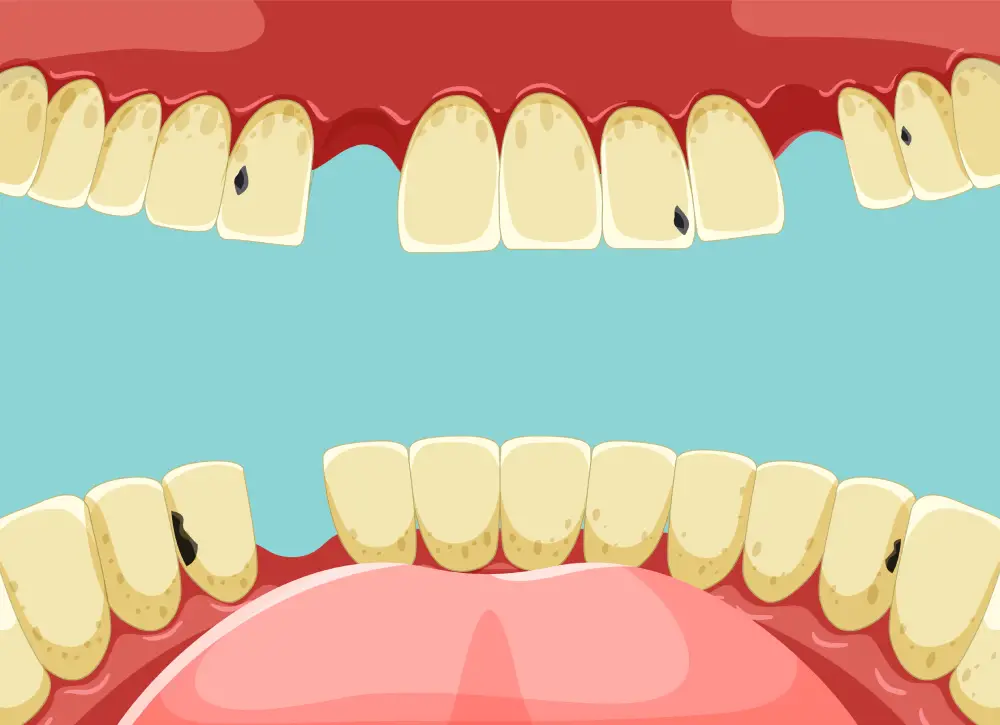
Oral Health During Pregnancy

Maintaining good oral health during pregnancy is essential—not only for the mother, but also for the baby. Research suggests a potential link between gum disease (periodontal disease) and preterm birth or low birth weight. Pregnant women with untreated gum disease may have a higher risk of delivering prematurely or having smaller babies. While further studies are still needed to confirm this relationship, current evidence indicates that inflammation from gum disease may increase certain biological factors that could contribute to early labor.
How to Maintain Oral Health During Pregnancy
The best approach is prevention and early care.
- Visit your dentist regularly
- Treat existing dental issues before pregnancy if possible
- Maintain consistent oral hygiene habits
During pregnancy, your teeth and gums require extra attention.
Essential Care Tips
- Brush twice daily with fluoride toothpaste
- Floss regularly
- Maintain a balanced, low-sugar diet
- Attend routine dental check-ups
These habits can significantly reduce the risk of dental problems during pregnancy.
Common Oral Conditions During Pregnancy
Pregnancy Gingivitis
Many pregnant women experience gingivitis, caused by plaque buildup that irritates the gums. Symptoms include:
- Red, swollen gums
- Bleeding أثناء brushing (during brushing)
- Gum tenderness
Hormonal changes increase the gums’ sensitivity to plaque—but plaque itself remains the primary cause. Good oral hygiene, especially cleaning along the gumline, plays a key role in prevention.
When Should You Visit the Dentist During Pregnancy?
- The ideal time for dental treatment is during the second trimester (4–6 months)
- The first trimester is critical for fetal development—non-urgent procedures are usually postponed
- During the third trimester, long appointments may be uncomfortable and should be minimized
Is Dental Treatment Safe During Pregnancy?
With proper precautions, many dental procedures are safe. However:
- X-rays, medications, and certain antibiotics (e.g., tetracycline) are typically avoided—especially in the first trimester
- Always inform your dentist that you are pregnant
- Your dentist may coordinate with your obstetrician if needed
If emergency treatment is required, early communication ensures safe and appropriate care.
Key Takeaway
Oral health is an important part of a healthy pregnancy. With proper care, you can:
- Reduce the risk of gum disease
- Support overall maternal health
- Promote a healthier pregnancy outcome
Expert Insight by Dr. Pitchaya Vadhanakrai
During the first trimester, if morning sickness leads to frequent vomiting, rinse with water to help neutralize stomach acid and avoid brushing immediately—wait at least 30 minutes to prevent enamel damage. During the second trimester, scheduling a professional dental cleaning is recommended to improve comfort and manage pregnancy-related gum inflammation.
Book Your Consultation
If you are pregnant or planning for pregnancy, our team at Belix Dental is here to support your oral health every step of the way. At Belix Dental (Langsuan–Ruamrudee, near BTS Ploenchit), we provide:
with our specialists
Medical content reviewed by
Dr. Pitchaya Vadhanakrai
Orthodontist, Invisalign Platinum Provider, and Founder of Belix Dental