How to Brush Your Teeth Properly
Brushing your teeth is a simple daily habit we all perform—at least twice a day. While most people are familiar with brushing, many still do it incorrectly without realizing it.
Improper brushing is one of the main causes of oral health problems, including cavities, gum inflammation, bad breath, and tartar buildup.
This article will guide you through proper brushing techniques, along with practical tips on choosing the right toothbrush, toothpaste, and how to use dental floss effectively.
Why Is Proper Brushing Important?
Brushing your teeth is not just about keeping your mouth clean or fresh—it plays a crucial role in removing plaque, a layer of bacteria that accumulates on teeth.
If plaque is not effectively removed, it can lead to:
- Cavities
- Gingivitis
- Periodontal disease
Proper brushing techniques help ensure thorough plaque removal and long-term oral health.
Proper Brushing Techniques
For Children
- Choose an age-appropriate toothbrush with a small head and soft bristles
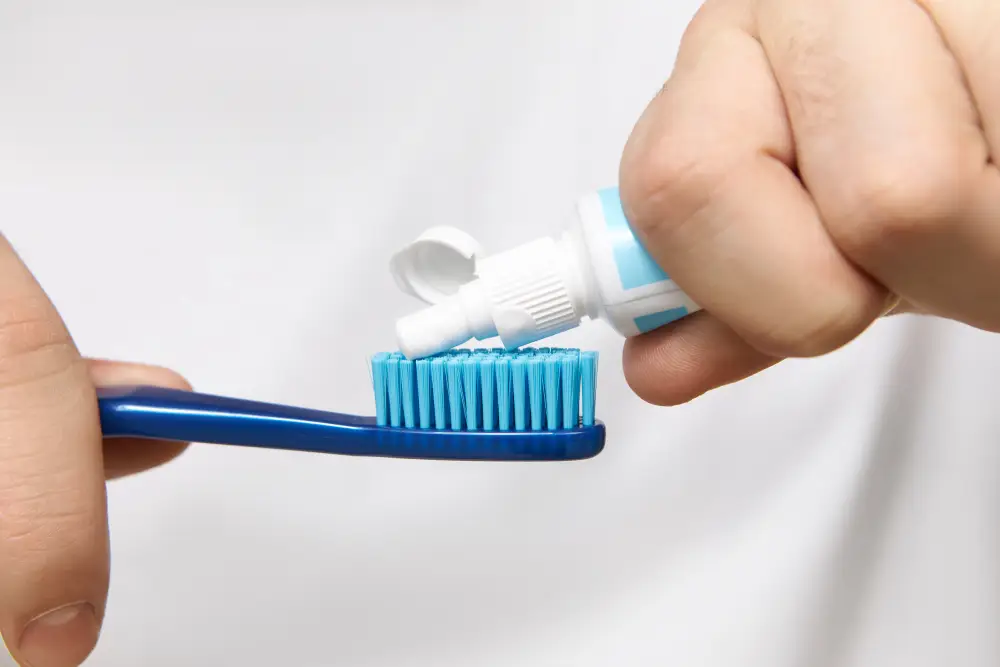
- Use fluoride toothpaste in a small amount suitable for the child’s age
- Use the horizontal technique, brushing gently back and forth across all tooth surfaces
- Do not let young children brush alone—parents should supervise or assist (especially under age 6–7)
- Brush for at least 2 minutes (music or songs can help make it fun)
For Adults
- Use a soft-bristled toothbrush and fluoride toothpaste
- Use a pea-sized amount of toothpaste
Technique: Modified Bass Technique
- Hold the toothbrush at a 45-degree angle toward the gumline
- Use gentle vibrating or short strokes (avoid aggressive scrubbing)
Outer surfaces
- Brush gently in small motions, one tooth at a time
Inner surfaces
- Tilt the brush and use up-and-down or circular motions
- Pay special attention to inner front teeth
Chewing surfaces
- Brush back and forth gently, focusing on each tooth
Tongue and cheeks
- Clean gently from back to front to reduce bacteria and bad breath
Common Brushing Mistakes to Avoid
- Brushing too hard (can cause gum recession and enamel wear)
- Brushing too quickly (should take at least 2 minutes)
- Skipping flossing
- Brushing immediately after acidic foods (wait ~30 minutes)
How to Choose the Right Toothbrush
- Use soft or medium bristles to protect gums and enamel
- Choose a small brush head for better access to back teeth
- Replace every 2–3 months or when bristles splay
- For children, choose brushes designed for their age and grip
How to Choose the Right Toothpaste
1. Fluoride is essential
Helps strengthen enamel and prevent cavities
2. For sensitive teeth
Use desensitizing toothpaste
3. Avoid highly abrasive formulas
Can cause long-term enamel wear
4. Use age-appropriate amounts for children
- 0–3 years: smear (rice-sized)
- 3–6 years: pea-sized (width of brush)
- 6+ years: full-length of brush
How to Use Dental Floss Properly
Brushing alone cannot clean between teeth effectively. Flossing is essential to remove plaque and food debris.
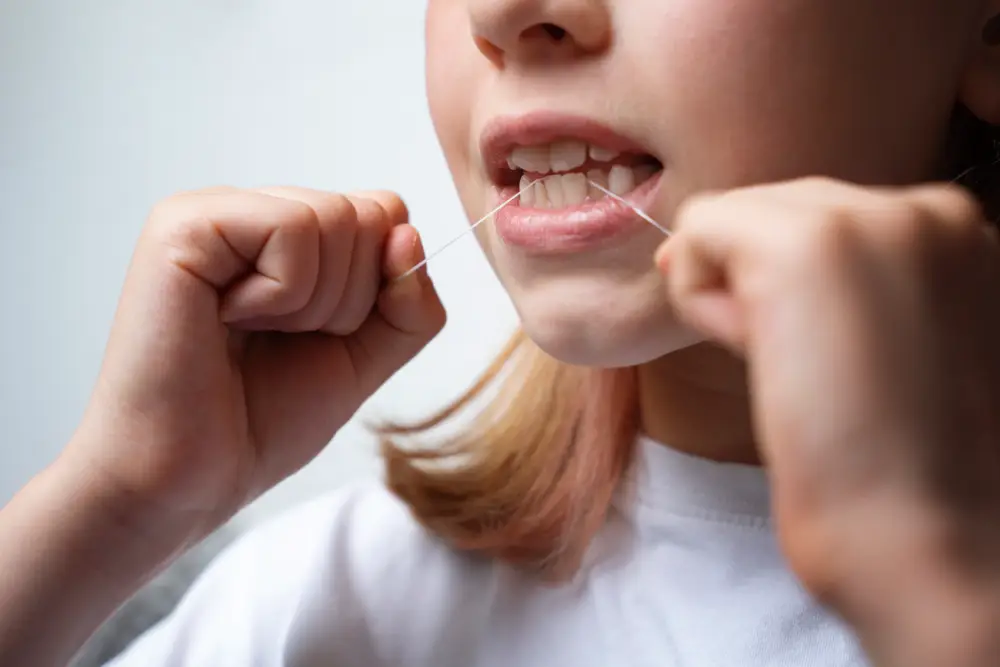
4 Simple Steps
- Use about 30–40 cm of floss
- Wrap around both middle fingers, leaving 3–5 cm in between
- Gently guide between teeth (avoid snapping)
- Curve into a C-shape around each tooth and move up and down
👉 Recommended: Floss once daily (before brushing at night)
FAQs: Brush Your Teeth
Q1: Is brushing more frequently always better?
Answer : Not necessarily. Proper technique is more important than frequency.
Q2: Can I brush immediately after acidic foods?
ตอบ : No. Wait about 30 minutes to prevent enamel erosion.
Q3: Do I need to floss every day?
ตอบ : Yes—flossing is essential for cleaning between teeth.
Q4: When should children start using fluoride toothpaste?
ตอบ : As soon as baby teeth erupt, in small supervised amounts.
Q5: Is an electric toothbrush better?
ตอบ : It can help with consistency, but manual brushing is equally effective when done correctly.
Conclusion
Proper brushing may seem basic, but consistently applying the correct technique can be challenging—especially when habits are formed over time.
By improving your brushing technique, choosing the right tools, brushing twice daily, and flossing regularly, you can significantly reduce the risk of cavities and gum disease—while maintaining a healthy, confident smile.
At Belix Dental Clinic, we emphasize personalized oral care—from detailed assessments to tailored guidance on brushing techniques and preventive care—helping you achieve long-term oral health.
Expert Insight by Dr. Pitchaya Vadhanakrai
Flossing is best done before brushing.
It helps remove debris from hard-to-reach areas first, allowing brushing to clean more effectively—resulting in a more thorough and efficient oral hygiene routine.
Book Your Consultation
If you’d like personalized guidance on proper brushing techniques or want to improve your oral health routine, our team at Belix Dental (Langsuan–Ruamrudee, near BTS Ploenchit) is here to help.with our specialists
Medical content reviewed by
Dr. Pitchaya Vadhanakrai
Orthodontist, Invisalign Platinum Provider, and Founder of Belix Dental