Dental Calculus: A Small Issue That Can Lead to Bigger Problems
Dental calculus (tartar) is more than just a cosmetic concern. Left untreated, it can lead to gum inflammation, bad breath, and long-term oral health issues. That’s why dental scaling is not only about keeping your smile clean—it’s an essential preventive treatment that helps protect your teeth and gums before problems become more serious.
What Is Dental Calculus and Why Is Scaling Important?
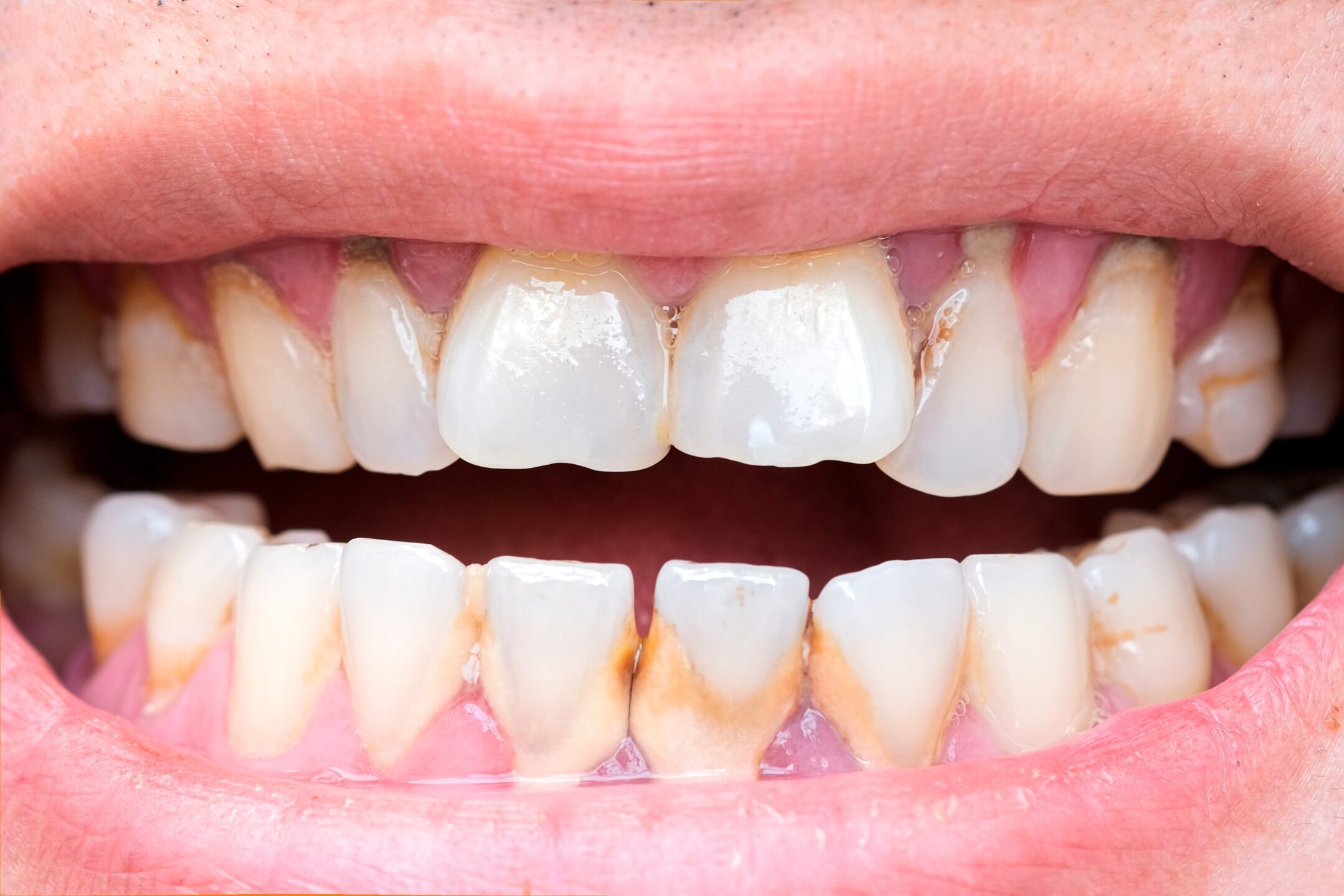
Dental calculus (also known as tartar) is a hardened deposit that forms on the surface of teeth. It develops when minerals—especially calcium from saliva—combine with bacterial plaque and harden over time. Unlike plaque, which is soft and removable with brushing, calculus is firmly attached to the tooth and can only be removed by a dental professional. It often appears as:
- Creamy white or yellow deposits
- Brownish stains (especially in smokers or coffee/tea drinkers)
How Does Calculus Form?
The process happens gradually:
- After eating, food particles and sugars remain in the mouth
- Bacteria form a sticky film called plaque (within 24–48 hours)
- If not removed properly, plaque absorbs minerals from saliva
- Within about 2 weeks, it hardens into calculus
Once formed, calculus becomes a surface where more bacteria accumulate, leading to further buildup.
What Happens If You Don’t Remove Calculus?
Excessive calculus can lead to:
- Gum inflammation and bleeding
- Periodontal (gum) disease
- Loose teeth or tooth loss
- Persistent bad breath
- Yellow or stained teeth
What Causes Dental Calculus?
- Plaque buildup from bacteria and sugar intake
- Inadequate brushing technique (missing hard-to-reach areas)
- High mineral content in saliva (genetic tendency)
- Smoking, coffee, and tea consumption
- Skipping regular dental scaling appointments

Types of Dental Calculus
1. Supragingival Calculus (Above the Gumline)
- Visible to the naked eye
- White or yellowish
- Easier to remove
- Less sensitivity
2. Subgingival Calculus (Below the Gumline)
- Hidden under the gums
- Darker in color
- More harmful (can damage bone and supporting tissues)
- Requires more precise and careful removal

What Is Dental Scaling?
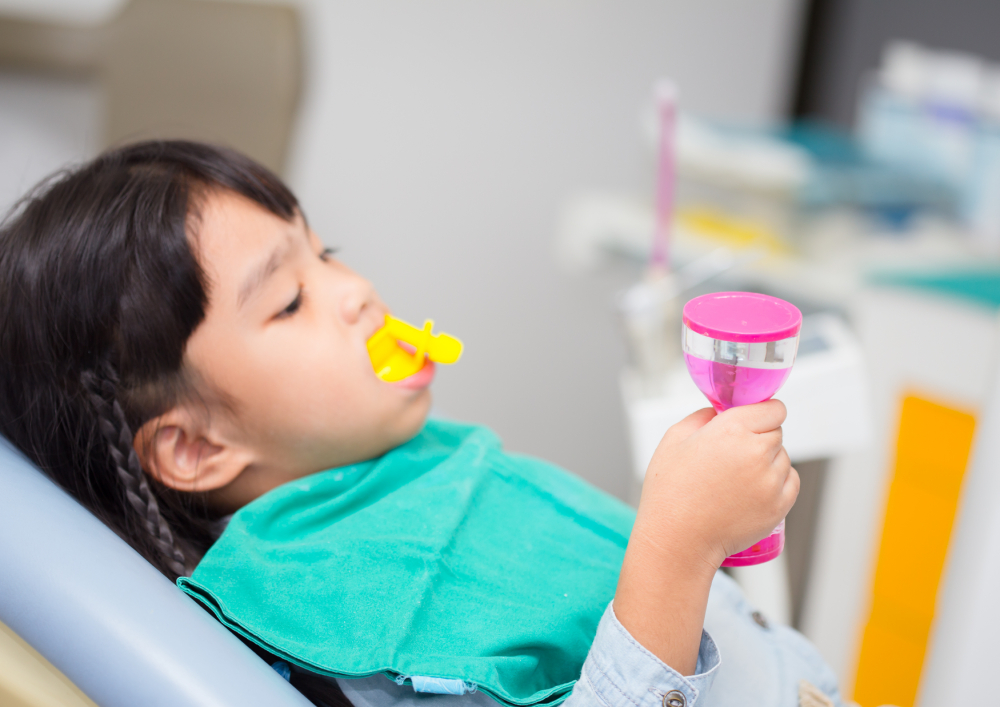
Dental scaling is a professional cleaning procedure that removes calculus from both above and below the gumline.
Steps of the Procedure
- Oral examination
- Preparation (local anesthesia if needed)
- Removal of visible calculus
- Deep cleaning under the gums
- Polishing the teeth
- Fluoride application
Instruments Used
- Ultrasonic Scaler: Uses high-frequency vibrations and water to break down calculus quickly and comfortably
- Hand Scalers: Used for precision cleaning in hard-to-reach areas
- Air Flow Technology: A modern technique using water and fine powder to gently remove stains and light deposits
How Long Does Scaling Take?
- Light buildup: 20–30 minutes
- Moderate buildup: 30–45 minutes
- Heavy buildup: 1–2 hours (or multiple visits)
Does Scaling Hurt?
Most patients experience minimal discomfort, though slight sensitivity may occur depending on:
- Gum inflammation
- Depth of calculus buildup
- Tooth sensitivity
Local anesthesia can be used for comfort if needed.
Air Flow: A Gentler Alternative
Air Flow is ideal for patients who are sensitive or anxious. It:
- Uses pressurized water and powder
- Is less invasive
- Effectively removes surface stains
However, for deeper or hardened calculus, conventional scaling is still necessary.
How Much Does Dental Scaling Cost?
Estimated price ranges:
- Private clinics: 900–2,000 THB
- Private hospitals: 800–3,000 THB
- Public hospitals: 200–800 THB
- Scaling + Air Flow: 2,600–4,500 THB
Costs vary depending on:
- Amount of calculus
- Case complexity
- Technology used
Aftercare: What to Do After Scaling
To reduce sensitivity and maintain results:
- Avoid very hot or cold foods for 24 hours
- Rinse with warm salt water
- Use a soft-bristled toothbrush
- Floss daily
- Schedule regular check-ups every 6 months
Summary
Dental calculus is one of the leading causes of gum disease and oral health problems. The good news is—it’s completely preventable and treatable. Regular scaling every 6 months, combined with proper daily oral care, is the key to maintaining a clean, healthy, and confident smile.
FAQs: Dental Calculus
Q1: Can mouthwash remove calculus?
No. Mouthwash helps reduce bacteria and plaque but cannot remove hardened calculus.
Q2: What if I have a lot of calculus?
You should visit a dentist as soon as possible. Severe cases may require multiple sessions or deep cleaning.
Q3: Does scaling make teeth whiter?
It removes stains and buildup, making teeth look cleaner—but not necessarily whiter like whitening treatments.
Q4: Can you get scaling while wearing braces?
Yes—and it’s highly recommended, as braces increase plaque buildup.
Q5: What happens if you never get scaling (e.g. 30 years)?
Severe gum disease, bad breath, gum recession, and even tooth loss may occur.
Q6: Why are teeth sensitive after scaling?
Because previously covered root surfaces are exposed. This usually improves within 1–2 weeks.
Q7: Is scaling too often harmful?
Scaling every 6 months is safe. Overdoing it (e.g. monthly) may affect enamel over time.
Q8: What about Air Flow?
Air Flow is not scaling. It’s a gentle stain-removal method and can be done more frequently.
Expert Insight by Dr. Pitchaya Vadhanakrai
Even with daily brushing, it’s impossible to clean every area perfectly—just like cleaning your home on your own. Professional tools such as: Toothbrush, Dental floss, Interdental brush, Single-tuft brush …combined with regular professional cleaning, ensure every hidden area is properly cared for.
Book Your Consultation
If you’re concerned about tartar buildup, gum health, or persistent bad breath, Belix Dental (Langsuan–Ruamrudee, near BTS Ploenchit) offers professional dental scaling with advanced technology and a gentle, detail-oriented approach. We offer a full range of options—from our NO PAIN scaling technology for maximum comfort, to Airflow with one of the finest powders available, designed to gently yet effectively remove stains and buildup while preserving enamel.
with our specialists
Medical content reviewed by
Dr. Pitchaya Vadhanakrai
Orthodontist, Invisalign Platinum Provider, and Founder of Belix Dental