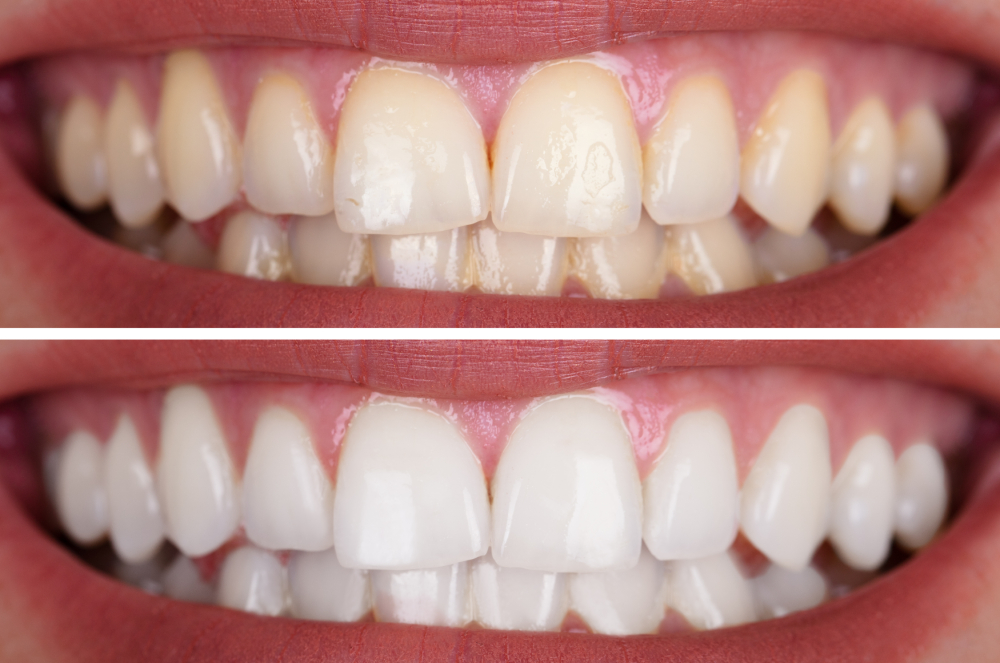
Dental Check-up
For many people, visiting the dentist only happens when symptoms begin—such as tooth pain, sensitivity, or gum inflammation.
However, most oral health problems develop gradually and silently. Without early detection, minor issues can progress into complex conditions requiring more extensive treatment.
A dental check-up is therefore not just about identifying problems—it is a preventive approach that allows for early diagnosis, personalized care, and long-term oral health preservation.
What Is a Dental Check-up?
A dental check-up is a comprehensive evaluation of your oral health performed by a dentist.
It includes assessment of:
- Teeth
- Gums
- Bite and jaw function
- Oral tissues
- Gum disease
- Tooth wear
- Bite issues
- Hidden problems beneath the surface
What Should a Complete Dental Check-up Include?
A high-quality dental check-up should provide a full-mouth evaluation, not just a quick screening.
At Belix Dental, a comprehensive check-up typically takes around 60 minutes, covering the following key areas:
1. Tooth Examination
To detect early-stage problems before symptoms appear:
- Dental caries (cavities)
- Tooth cracks or fracture lines
- Tooth wear (attrition, erosion, abrasion)
- Defective restorations (leakage, secondary decay)
- Enamel erosion from acid exposure
- Pulp vitality (in selected cases)
2. Gum and Periodontal Assessment
Since gum disease is a leading cause of tooth loss:
- Swelling or bleeding gums
- Periodontal pocket depth measurement
- Tooth mobility
- Gum recession
3. Dental X-rays
Recommended periodically (e.g., every 1–2 years):
- Bitewing X-ray → detect decay between teeth
- Panoramic X-ray → evaluate bone levels, impacted teeth, pathology
4. Bite and Occlusion Analysis
To assess functional balance:
- Bite alignment
- Crowding or misalignment
- Bruxism (teeth grinding)
- Tooth wear from occlusal forces
- TMJ-related symptoms
5. Oral Lesion Screening
Particularly important for patients with systemic conditions or risk factors:
- People taking immunosuppressants
- Patients receiving certain types of osteoporosis medication
- Individuals who have previously undergone radiation therapy.
- The elderly or immunocompromised individuals.
- Dry mouth (Xerostomia)
Technologies Used in Modern Dental Check-ups
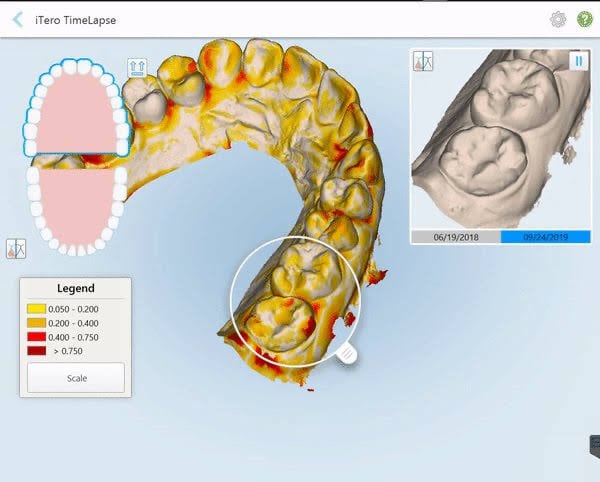
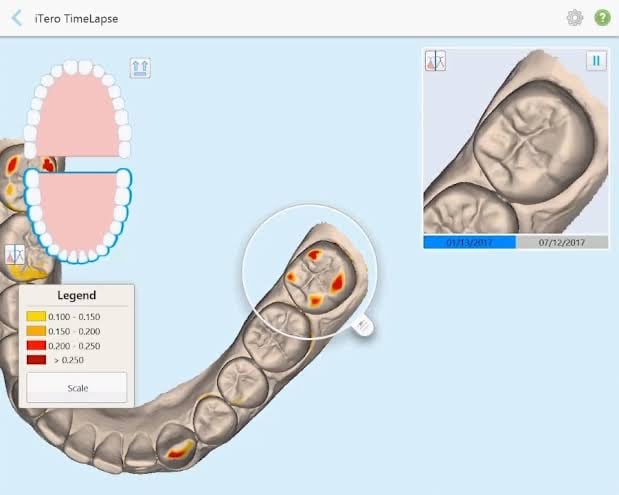
Advanced diagnostics improve accuracy and patient understanding:
- Visual and clinical examination
- Digital 3D scanning (e.g., iTero)
- Digital occlusal analysis
- 2D / 3D Dental X-rays (CT scan)
- Periodontal probing
- Biofilm staining (plaque visualization)
Learn more about our Digital Check-up service: Click Here
Additional Preventive Procedures
Often performed alongside check-ups:
- Professional cleaning (scaling)
- Fluoride application (when indicated)
- Biofilm staining
- Personalized oral hygiene instruction
Who Should Get a Comprehensive Check-up?
While recommended for everyone, it is especially important for:
- Patients with frequent cavities
- History of cracked or worn teeth
- Multiple restorations
- Systemic health conditions
Early detection significantly reduces treatment complexity and helps preserve natural teeth.
FAQs: Dental Check-up
Q1: How often should I have a dental check-up?
Typically every 6 months, but frequency may vary depending on risk level.
Q2: Can I choose only certain parts of the check-up?
In some cases, yes—but a full evaluation provides the most accurate diagnosis.
Q3: Is a dental check-up painful?
No. It is generally non-invasive, with only mild sensitivity in certain areas if inflammation exists.
Q4: Are X-rays required every visit?
No. They are recommended periodically or when clinically indicated.
Conclusion
A dental check-up is one of the most important preventive tools in maintaining oral health.
Rather than simply identifying cavities, a comprehensive evaluation allows early detection of hidden problems, reduces treatment complexity, and supports long-term preservation of natural teeth.
At Belix Dental, we emphasize preventive, comprehensive care—helping patients understand their oral health and make informed decisions for long-term outcomes.
Expert Insight by Dr. Pitchaya Vadhanakrai
Many dental visits focus only on treating specific symptoms—such as cleaning, fillings, or crowns.
However, a full dental check-up provides a broader understanding of overall oral health. It allows dentists to detect underlying issues early and develop a comprehensive, long-term treatment plan.
This is especially important before complex treatments such as crowns, implants, or full-mouth rehabilitation. Early and accurate assessment helps prevent complications and reduces the need for future corrections.
Book Your Consultation
If you are looking for a comprehensive dental check-up and personalized preventive care, our team at Belix Dental is here to help. We provide detailed evaluation of your teeth, gums, and overall oral structure—along with tailored recommendations for long-term oral health.with our specialists
Medical content reviewed by
Dr. Pitchaya Vadhanakrai
Orthodontist, Invisalign Platinum Provider, and Founder of Belix Dental