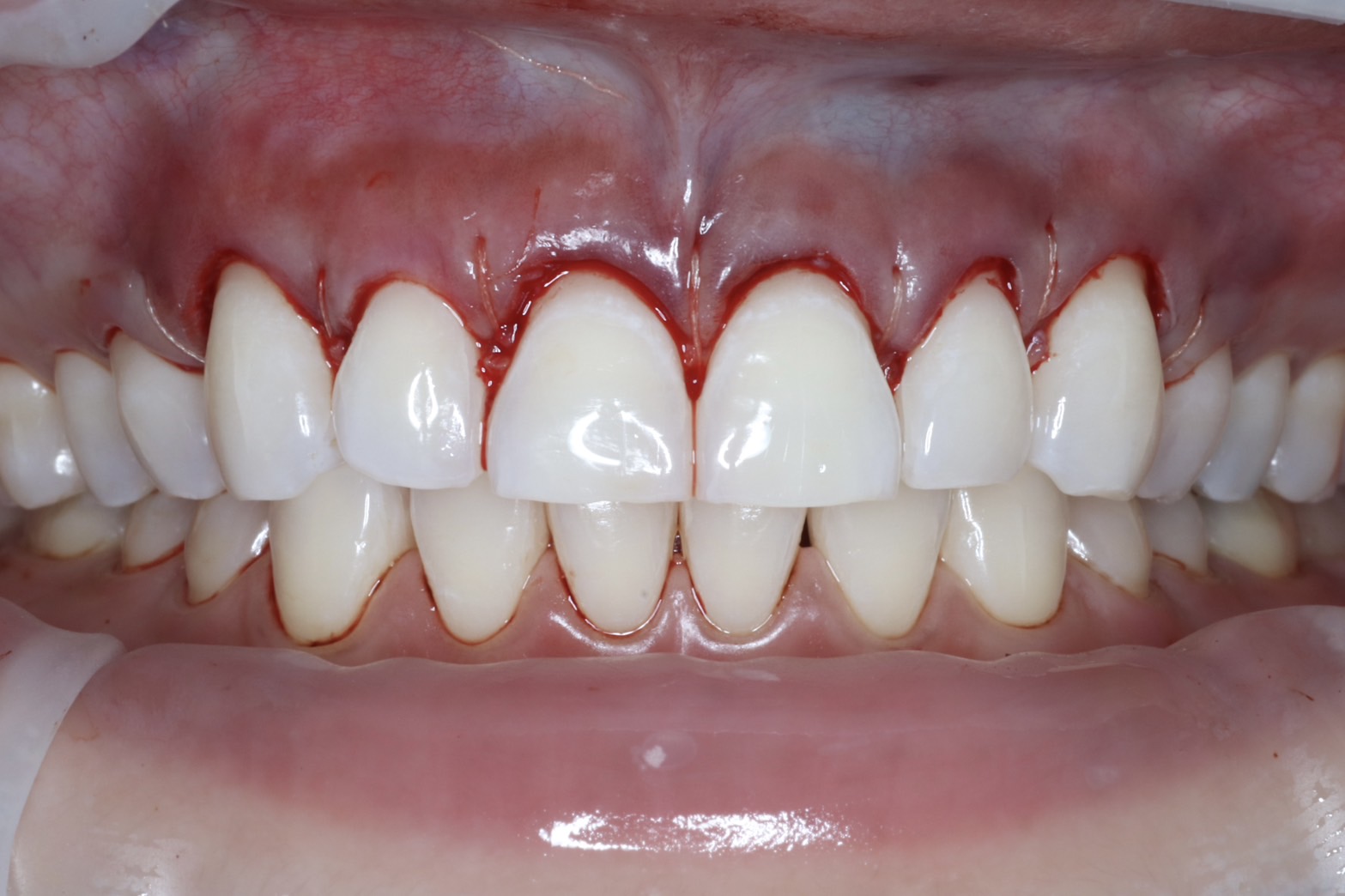
Peri-implantitis
Many people believe that once a dental implant is placed, the problem is solved for life.
In reality, a dental implant is more like a second chance for that missing tooth—allowing you to function and smile with confidence again.
However, just like natural teeth, implants still require proper care. Without good oral hygiene and regular follow-ups, complications such as peri-implantitis (implant inflammation) and other issues can develop.
This article covers the most common problems after dental implants, their causes, and how to manage or prevent them.
Common Dental Implant Problems & Solutions
1. Sensitivity or Pain When Chewing
Some patients may experience discomfort or sensitivity after implant placement.
Possible causes:
- Implant placed too close to a nerve
- Proximity to adjacent natural tooth roots
- Insufficient bone support
Solutions:
- Proper pre-surgical planning using 3D CT Scan
- Bone grafting if bone volume is insufficient
- Clinical reassessment if symptoms persist
2. Peri-implantitis (Implant Inflammation)
Peri-implantitis is an inflammatory condition affecting the tissues and bone surrounding a dental implant.
Common signs:
- Red, swollen gums
- Bleeding
- Bad breath
- Discomfort or pain
- Bone loss (advanced stage)
- Implant mobility (severe cases)
- Plaque and bacteria accumulation
- Poor oral hygiene
- Existing gum disease
Treatment:
- Professional cleaning around the implant
- Removal of bacterial deposits
- In some cases, bone grafting to restore lost bone
3. Loose Dental Implant
A loose implant does not always mean failure.
Possible causes:
- Loose screw or prosthetic component
- Excessive bite force
- Imbalanced occlusion
Solutions:
- Bite adjustment
- Tightening or replacing components
- Further evaluation if bone support is compromised
When detected early, this issue is often easily manageable.
4. Bad Breath or Food Trapping Around Implant
Although implants cannot decay, the surrounding tissues can still harbor bacteria.
Causes:
- Food debris accumulation
- Inadequate cleaning
- Poor hygiene around implant margins
- Proper brushing and flossing techniques
- Use of interdental brushes or implant-specific tools
- Regular professional cleaning
Why Implant Care Still Matters
Even though implants are made of metal and cannot decay, the surrounding tissues—gums and bone—are still vulnerable.
Poor oral hygiene can lead to:
- Gum inflammation
- Bone loss
- Implant failure
Consistent care is essential for long-term success.
How to Care for Dental Implants
Preventing oral health issues is always better than treating them later, saving you both time and extra costs. To minimize risks and ensure long-term success, here are essential care tips for dental implant patients:

- Brush properly twice daily Focus on the gum line and implant area to remove plaque effectively.
- Use floss or interdental tools These areas are difficult to reach with a toothbrush alone.
- Avoid smoking Smoking impairs healing and increases the risk of implant failure.
- Attend regular dental check-ups Early detection prevents complications.
- Seek care if symptoms arise Pain, swelling, bleeding, or looseness should never be ignored.
FAQs: Peri-implantitis
Q1: How long does pain last after implant surgery?
ตอบ : Mild pain and swelling are normal for 2–3 days and should gradually improve.
Q2: How often should implants be checked?
ตอบ : At least every 6 months, or more frequently for high-risk patients.
Q3: Can implants get cavities?
ตอบ : No—but surrounding tissues can still become infected.
Q4: Does a loose implant always need removal?
ตอบ : Not always. Many cases involve loose components rather than implant failure.
Q5: Can peri-implantitis be treated?
Yes, especially when detected early. Advanced cases may be more complex.
Conclusion
Dental implants are one of the most effective solutions for replacing missing teeth—but they are not maintenance-free.
Early detection of symptoms and consistent care can:
- Prevent complications
- Extend implant lifespan
- Maintain oral health and confidence
At Belix Dental Clinic, we emphasize detailed diagnosis, precision planning, and long-term maintenance to ensure the best outcomes for every patient.
Expert Insight by Dr. Pitchaya Vadhanakrai
A dental implant does not decay—but it is still a functional prosthetic that interacts with living tissues.
Think of it as a “new natural tooth.” It gives you a fresh start—but its longevity depends on how well you care for it. It gives you a fresh start—but its longevity depends on how well you care for it.
With proper hygiene and regular monitoring, implants can remain strong and stable for many years.
Book Your Consultation
If you are experiencing implant discomfort, inflammation, or concerns, our team at Belix Dental (Langsuan–Ruamrudee, near BTS Ploenchit) is here to help. We provide detailed assessment using digital imaging and personalized treatment planning.with our specialists
Medical content reviewed by
Dr. Pitchaya Vadhanakrai
Orthodontist, Invisalign Platinum Provider, and Founder of Belix Dental