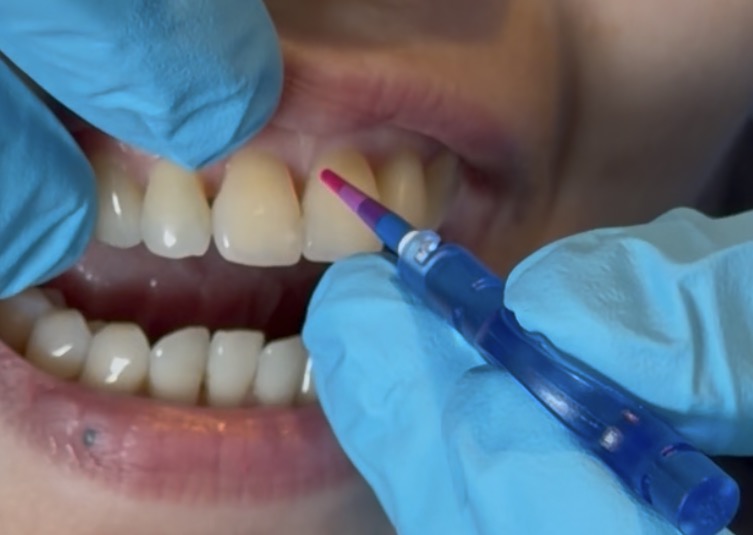
Gummy Smile
Is It Normal? Causes and the Right Treatment Approach
Many people feel less confident when smiling fully—especially in photos or when meeting someone new. A smile that reveals too much gum can sometimes make you hesitate, leading to closed-lip smiles or holding back altogether.
In reality, a gummy smile is quite common and not always considered abnormal.
What matters most is understanding the underlying cause, as each case can be different—and so is the appropriate treatment. Today, solutions range from simple, non-invasive options to advanced dental procedures.
This guide will help you understand what a gummy smile is, when it may be considered excessive, and how to choose the most suitable approach with confidence.
What Is a Gummy Smile?
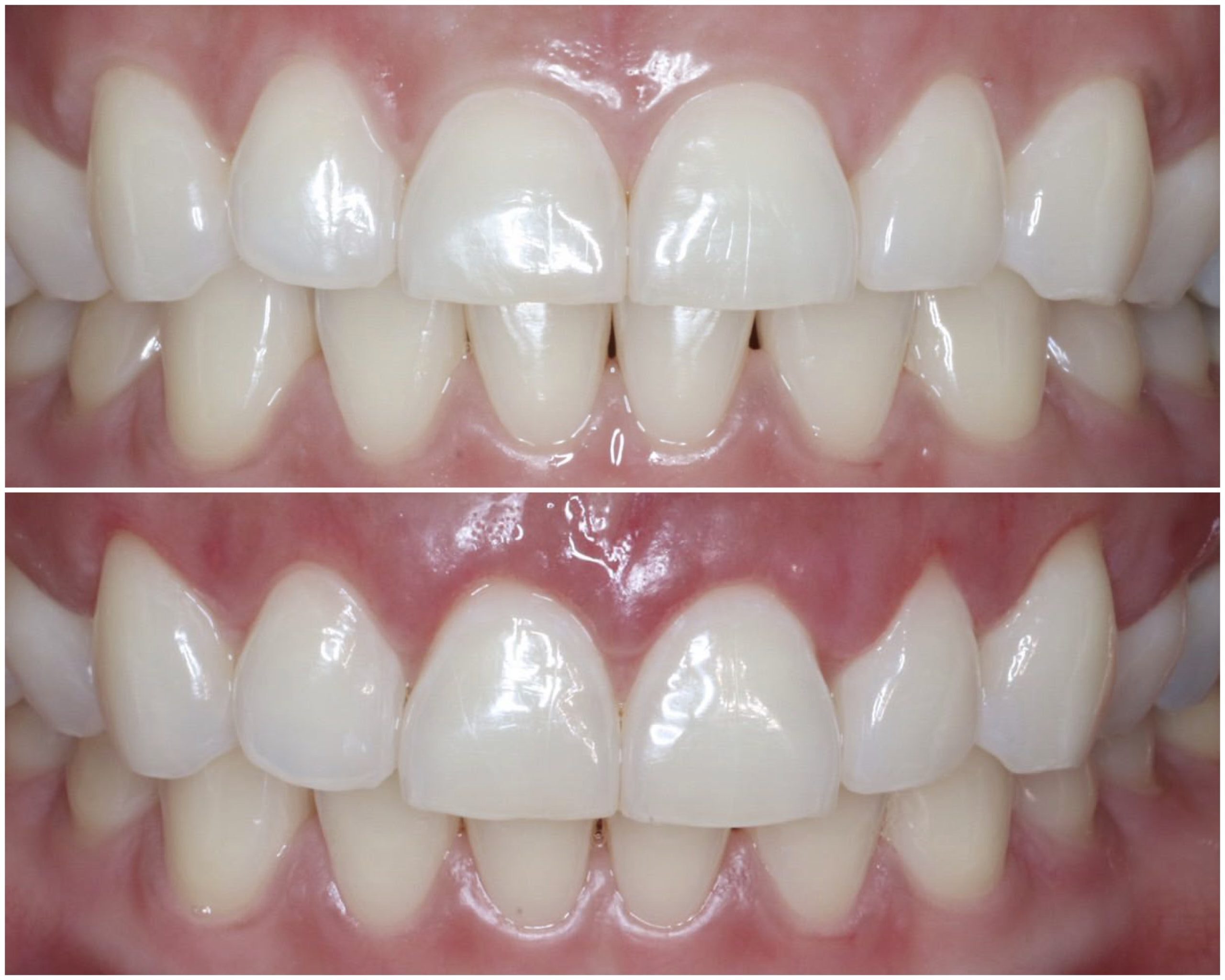
A gummy smile refers to a smile that shows more gum tissue than usual above the upper teeth.
A naturally balanced smile typically reveals about 1–2 mm of gum. Showing slightly more or less can still be aesthetically acceptable, depending on overall facial harmony.
In general, if more than 3–4 mm of gum is visible when smiling, it may be considered a prominent gummy smile—which can affect perceived smile balance and personal confidence.
However, beauty is not defined by numbers alone. The ideal smile depends on the harmony between:
- Teeth
- Gums
- Lips
- Facial proportions
If there are no health concerns, treatment is not always necessary. But if it affects confidence, there are effective ways to improve balance.
When Can a Gummy Smile Be a Concern?
A gummy smile is usually not harmful, but in some cases it may indicate underlying oral health issues, such as:
- Swollen, red, or bleeding gums (possible gum disease)
- Gum overgrowth due to inflammation or medication
- Pain, gum recession, or tooth mobility
If these symptoms are present, a professional evaluation is recommended, as the issue may go beyond aesthetics.
Causes of Gummy Smile and How to Treat Them
A gummy smile can result from different factors. Identifying the root cause is key to choosing the right treatment.
1. Excessive Gum Tissue
When gums cover too much of the tooth surface, teeth may appear short.
Treatment options:
- Gum contouring to reshape the gum line
- Laser-assisted procedures for faster healing
2. Short Teeth (Short Clinical Crown)
Teeth may appear small due to natural anatomy or wear.
Treatment options:
- Veneers or crowns to enhance length and shape
- Often combined with gum contouring for optimal proportions
3. Hyperactive Upper Lip
The upper lip lifts excessively when smiling, exposing more gum.
Treatment options:
- Botox to relax the lip muscles
- Non-surgical, quick results (temporary effect)
4. Vertical Maxillary Excess (Skeletal Cause)
The upper jaw is vertically overgrown, causing more gum exposure.
Treatment options:
- Orthognathic surgery for structural correction
- Recommended in more severe cases
5. Short Upper Lip
A shorter lip may not adequately cover the gums.
Treatment options:
- Botox or fillers in selected cases
- Lip repositioning surgery
How to Assess Your Gummy Smile (Initial Self-Check)
You may notice patterns such as:
- Teeth appearing short despite normal shape
- Gums showing more when smiling widely but not at rest
- Visible gum even with a relaxed expression
- A longer mid-face appearance
These observations can offer initial insight—but a precise diagnosis requires professional evaluation.
FAQs: Gummy Smile
Q1: Is a gummy smile dangerous?
No, it is usually an aesthetic concern unless accompanied by gum disease or other symptoms.
Q2: Are there non-surgical options?
Yes. Botox is commonly used for mild to moderate cases, especially when muscle activity is the cause. Results typically last 4–6 months.
Q3: How much does treatment cost?
Costs vary depending on the approach:
- Botox: ~3,000–10,000 THB
- Gum contouring: ~5,000–20,000 THB
- Veneers/Crowns: ~10,000–25,000 THB per tooth
- Jaw surgery: from hundreds of thousands THB
Conclusion
A gummy smile may be a minor concern for some, but for others, it can significantly impact confidence.
The key is understanding that each case is unique—whether the cause lies in the gums, teeth, muscles, or skeletal structure. Treatment should always be tailored accordingly.
With today’s advanced options, it is possible to enhance smile balance in a way that looks natural, harmonious, and true to you.
Expert Insight by Dr. Pitchaya Vadhanakrai
There is no single formula for a “perfect” smile.
A beautiful smile is the result of multiple elements working together—proportions of teeth and gums, lip dynamics, smile shadow, and the balance of the three key tones within the smile frame.
At Belix, patients are encouraged to photograph their mock-up and practice smiling at home—what I call “Smile exercises.” This process is not just about improving aesthetics, but about helping patients understand and naturally refine their own smile.
Book Your Consultation
If your gummy smile affects your confidence, a personalized smile design can help restore balance between your teeth and gums.
At Belix Dental (Langsuan–Ruamrudee, near BTS Ploenchit), our team provides:
- Detailed diagnosis of underlying causes
- Personalized treatment planning
- Natural, refined smile outcomes
Begin your journey toward a confident, beautifully balanced smile.
with our specialists
Medical content reviewed by
Dr. Pitchaya Vadhanakrai
Orthodontist, Invisalign Platinum Provider, and Founder of Belix Dental