Knocked-Out Tooth vs Broken Tooth
Accidents can happen at any time—whether from falls, sports injuries, or sudden impact. A knocked-out tooth or broken tooth is considered a dental emergency, where timing plays a critical role in determining whether the tooth can be saved.
Knowing what to do immediately can significantly improve the chances of preserving your natural tooth and avoiding more complex treatment.
Knocked-Out Tooth vs Broken Tooth: What’s the Difference?
Knocked-Out Tooth (Tooth Avulsion)
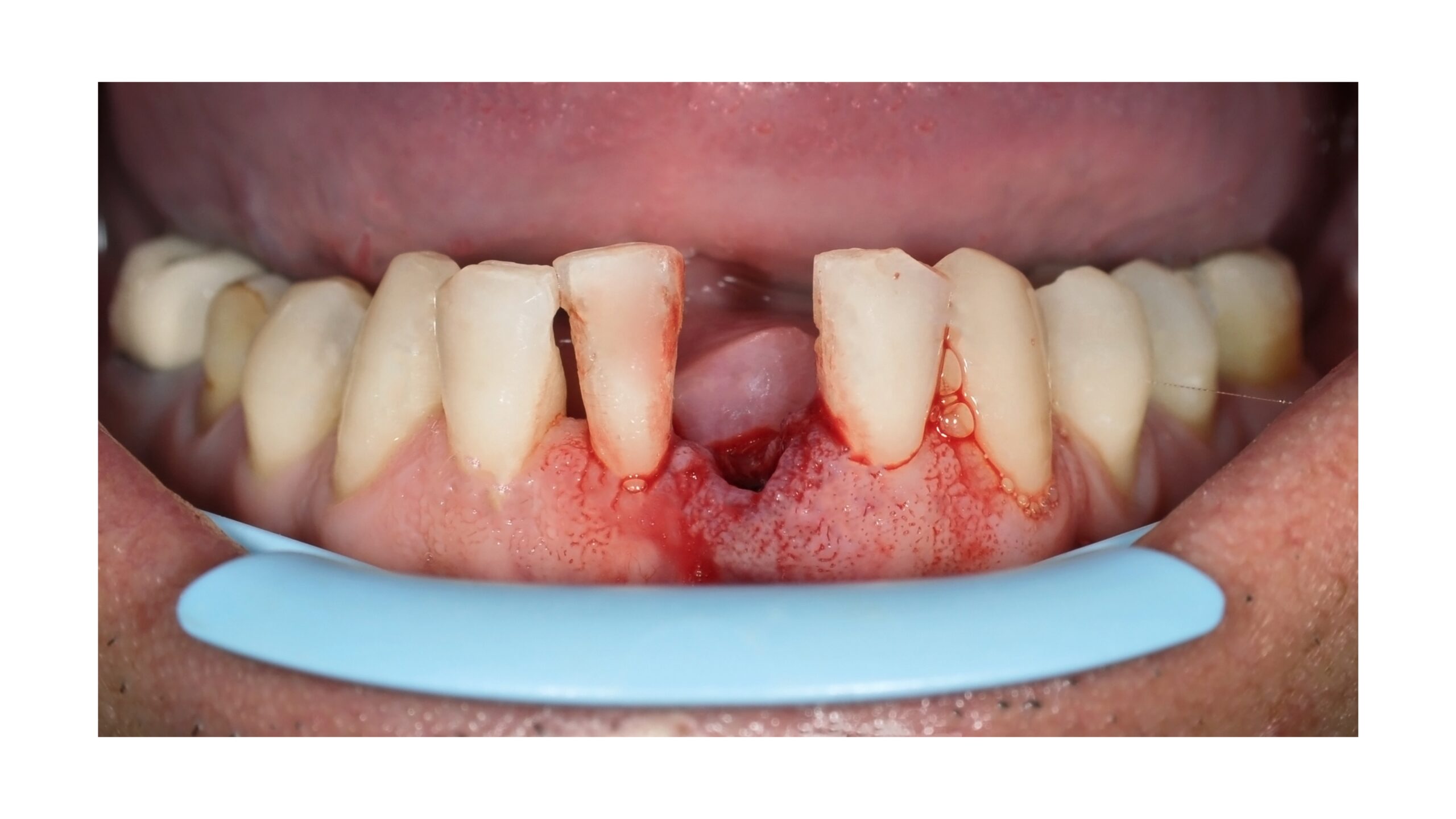
A knocked-out tooth occurs when the entire tooth, including the root, is completely displaced from the socket.
Key points:
- Blood supply and ligament are disrupted instantly
- Time-sensitive: best outcome within 30–60 minutes
- Requires immediate action
Broken Tooth (Tooth Fracture)
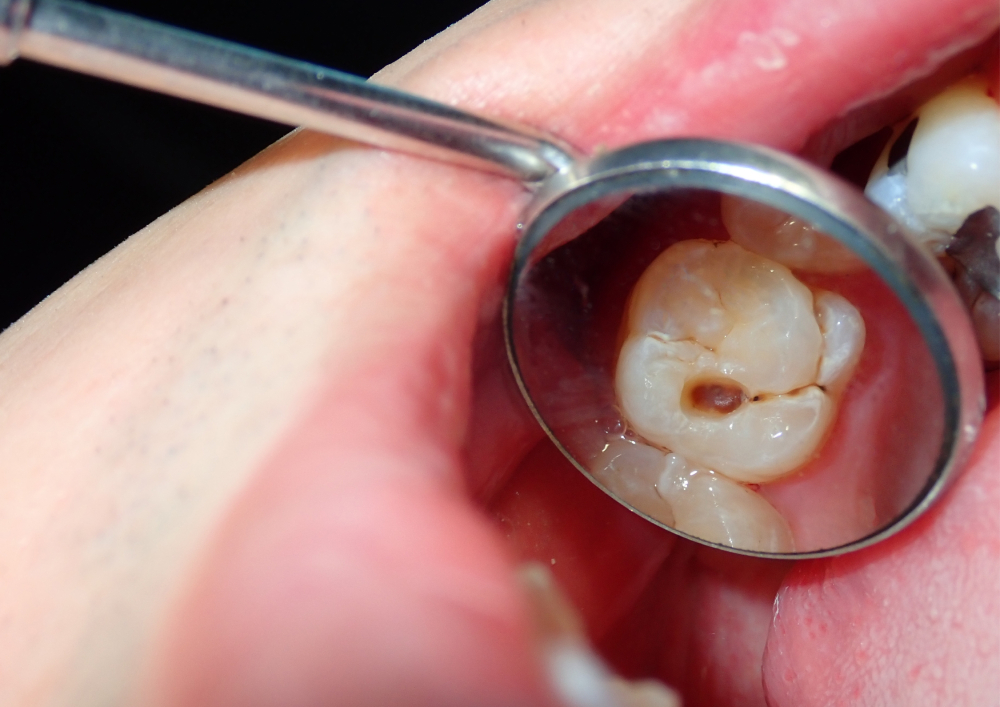
A broken tooth refers to a crack, chip, or fracture where the tooth remains in place.
Severity may vary:
- Minor chip (no pain)
- Dentin exposure (sensitivity)
- Pulp involvement (severe pain, bleeding)
Even if painless, it should not be ignored.
What to Do Immediately: Knocked-Out Tooth
Step-by-step first aid:
- Hold the tooth by the crown only (not the root)
- Rinse gently with clean water or saline (do not scrub)
- Store in milk or saline (avoid plain water)
- If possible, place it back into the socket
- See a dentist within 30–60 minutes immediately
Baby teeth should NOT be reinserted
What to Do Immediately: Broken Tooth
Step-by-step first aid:
- Rinse mouth gently
- Apply gauze if bleeding
- Store broken pieces in milk or saline
- Avoid chewing on that side
- Visit a dentist as soon as possible
Emergency Treatment: What Happens at the Clinic?
Short-term management
- Repositioning the tooth
- Splinting (stabilization)
- Temporary restorations
- Pain control and infection prevention
- Close monitoring (1–2 weeks)
Long-term treatment options
- Root canal treatment
- Crown restoration
- Tooth replacement (implant, bridge, denture)
Aftercare Following Dental Trauma
- Avoid hard or hot foods
- Maintain gentle oral hygiene
- Avoid smoking/li>
- Attend follow-up appointments/li>
- Monitor symptoms (pain, swelling, discoloration)
When to See a Dentist Immediately
- Loose or displaced teeth
- Swelling, numbness, or spreading pain
- Persistent bleeding
- Changes in tooth color
FAQs: Knocked-Out Tooth & Broken Tooth
Q1: Can a knocked-out tooth be saved?
Yes—if treated quickly (within 30–60 minutes), chances are significantly higher.
Q2: Does a broken tooth always hurt?
No. Some fractures are painless initially but may worsen over time.
Q3: Should I wait until swelling goes down?
No. Immediate dental evaluation is critical.
Q4: Should I wait until swelling goes down?
No. Immediate dental evaluation is critical.
Conclusion
Dental trauma such as a knocked-out or broken tooth requires immediate action.
Proper first aid—combined with prompt professional care—can significantly increase the chances of saving your natural tooth and avoiding more invasive treatment in the future.
At Belix Dental, we provide emergency dental care with precise diagnosis and personalized treatment planning to restore both function and aesthetics.
Expert Insight by Dr. Pitchaya Vadhanakrai
In dental trauma cases, time is the most critical factor in determining treatment success.
When a tooth is displaced, loosened, or completely knocked out, early intervention allows the dentist to reposition and stabilize the tooth effectively. In many cases, splinting can help the tooth reintegrate with surrounding structures.
The sooner treatment begins, the higher the likelihood of preserving the natural tooth and restoring normal function.
Book Your Consultation
If you experience a knocked-out, broken, or injured tooth, our team at Belix Dental is ready to provide urgent care. We offer prompt diagnosis and personalized treatment planning to restore your smile safely and effectively.with our specialists
Medical content reviewed by
Dr. Pitchaya Vadhanakrai
Orthodontist, Invisalign Platinum Provider, and Founder of Belix Dental