Sleep Bruxism: More Than Just a Nighttime Habit
Many people first discover they grind their teeth during sleep when a partner mentions the sound—or when they wake up with unexplained jaw soreness. This condition, known as sleep bruxism, often occurs unconsciously and can impact both oral health and overall quality of life more than expected. Sleep bruxism involves clenching or grinding the teeth during sleep, typically occurring intermittently throughout the sleep cycle. When frequent or forceful, it can lead to tooth wear, gum discomfort, and even jaw joint problems over time.
What Causes Sleep Bruxism?
Sleep bruxism is usually multifactorial, involving a combination of physical, psychological, and lifestyle-related factors.
1. Physical Factors
Individuals with bite misalignment—such as overbite, crowding, spacing, or jaw imbalance—may be more prone to bruxism. During sleep, the body may attempt to find a more stable bite position, leading to unconscious grinding or clenching.
2. Psychological Factors
Stress, anxiety, and inadequate rest are major contributors. Even during sleep, a stressed nervous system can keep the body in a state of tension, causing excessive contraction of the jaw muscles.
3. Additional Factors
While not always the primary cause, these can increase the likelihood of bruxism:
- Certain medications affecting the nervous system
- Genetic predisposition
- Alcohol, caffeine, and smoking, which can disrupt sleep quality and stimulate muscle activity
Common Symptoms of Sleep Bruxism
Sleep bruxism can present in various ways, and many patients are unaware of the condition until symptoms appear.
- Unconscious grinding during sleep Often identified by a partner or detected by a dentist through abnormal tooth wear
- Audible grinding sounds at night In some cases, loud enough to disturb others
- Jaw pain and morning headaches Muscle fatigue or tightness in the jaw, sometimes radiating to the face, ears, neck, or temples
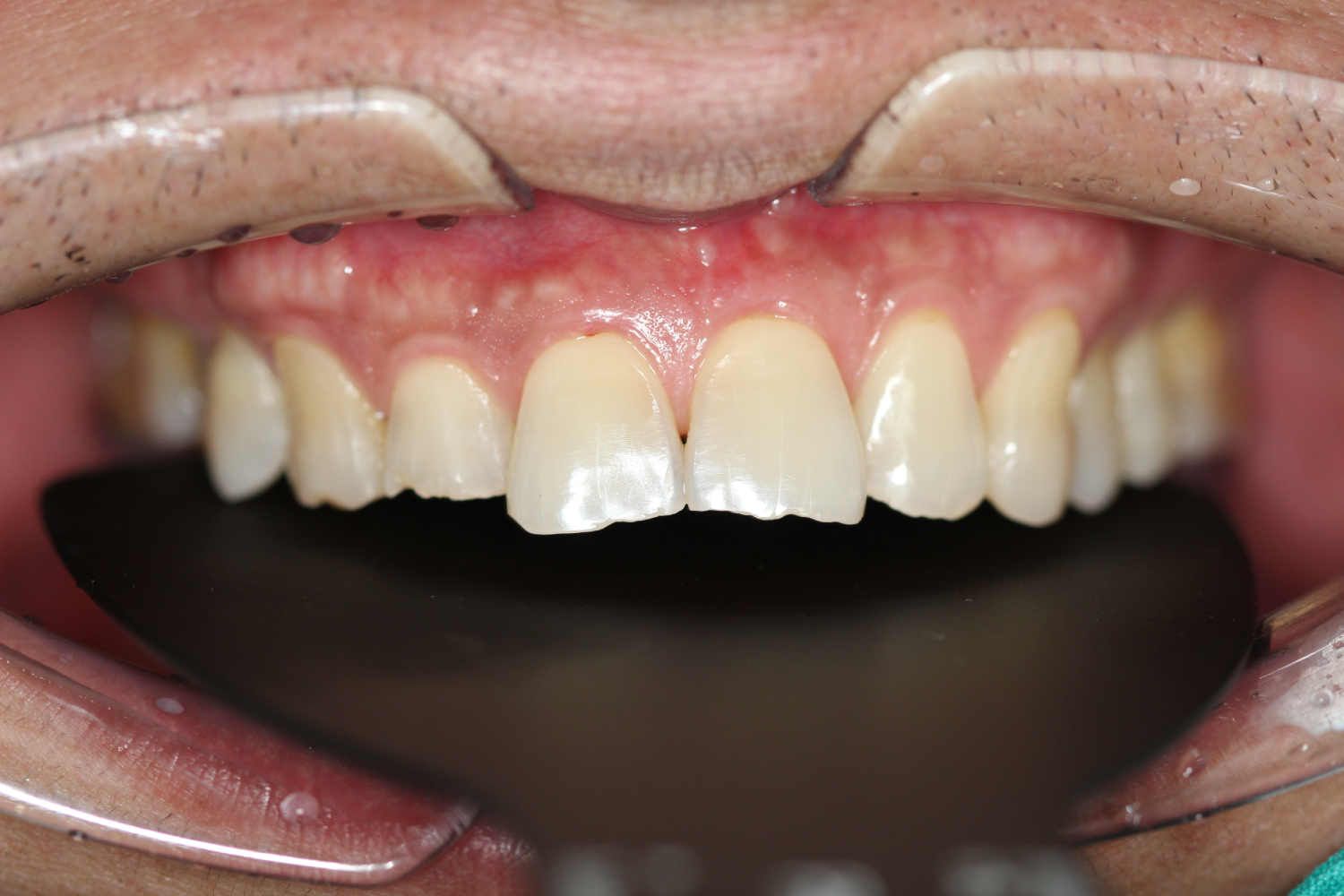
- Tooth wear, mobility, or sensitivity Over time, enamel erosion may lead to shorter, flatter teeth, fractures, or increased sensitivity
- Other signs Jaw locking, clicking sounds, difficulty opening the mouth, or cheek biting
Sleep Bruxism in Children
Bruxism is not limited to adults—it can also occur in children, especially during periods of dental development. Children often grind their teeth as their bite adjusts during the transition from primary to permanent teeth. This is usually temporary and resolves naturally as the jaw matures.
However, contributing factors may include:
- Emotional stress or environmental changes
- Sleep disturbances (e.g., snoring, airway obstruction)
- Enlarged adenoids or tonsils
While most cases are harmless, persistent or severe symptoms—such as frequent grinding, jaw pain, or noticeable tooth wear—should be evaluated by a dentist. Early intervention helps prevent long-term complications.
Potential Risks of Untreated Bruxism
If left unaddressed, sleep bruxism can lead to:
- Tooth wear, fractures, and increased risk of decay
- Jaw pain and temporomandibular joint (TMJ) disorders
- Chronic headaches and facial pain
- Poor sleep quality, leading to fatigue and reduced concentration
Treatment Options for Sleep Bruxism
Treatment depends on the underlying cause and severity. A personalized approach is essential.
1. Night Guard (Occlusal Splint)
A custom-made night guard is one of the most effective and commonly used solutions. It protects the teeth from excessive force, reduces jaw strain, and helps relax the muscles.
2. Stress Management
Relaxation techniques such as meditation, breathing exercises, yoga, or regular physical activity can significantly reduce symptoms.
3. Sleep Hygiene Adjustments
Improving sleep habits—such as maintaining a consistent sleep schedule and limiting screen time before bed—can help reduce bruxism episodes.
4. Muscle Relaxation Techniques
Gentle massage of the jaw and temple muscles, along with warm compresses, can relieve muscle tension and discomfort.
5. Botulinum Toxin (Botox)
In more severe cases, targeted injections into the jaw muscles can reduce muscle activity, relieve pain, and protect the teeth from further damage. This treatment should be performed by qualified professionals.
Prevention Tips
- Schedule regular dental check-ups every 6 months
- Manage daily stress and maintain work–life balance
- Avoid caffeine, alcohol, and smoking before bedtime
- Reduce habits such as gum chewing or biting hard objects
FAQs: Sleep Bruxism
Q1: Is stress the main cause of bruxism?
Stress is a major contributing factor, especially in adults. However, it is not the only cause—bite alignment, genetics, and sleep disorders may also play a role.
Q2: Should bruxism be treated even without pain?
Yes. Even without symptoms, long-term grinding can gradually damage teeth and jaw structures. Preventive treatment is recommended.
Q3: Does a night guard cure bruxism?
A night guard protects the teeth and reduces symptoms but does not eliminate the root cause. Addressing underlying factors is essential for long-term management.
Q4: Is bruxism related to neurological conditions?
In some cases, it may be associated with neurological disorders or medication side effects. However, most cases are linked to stress or sleep-related factors rather than serious conditions.
Expert Insight by Dr. Pitchaya Vadhanakrai
Jaw-related headaches are often mistaken for migraines, especially when the pain radiates to the temples. In reality, overactivity of the masseter and temporalis muscles—commonly seen in sleep bruxism—can be the underlying cause. When this muscular tension persists overnight, it may lead to chronic discomfort that does not respond well to typical migraine treatments. Identifying the true source of pain allows for more targeted and effective care, often with simple interventions such as a custom night guard.
Book Your Consultation
If you’re experiencing jaw pain, headaches, or signs of teeth grinding, our team at Belix Dental (Langsuan–Ruamrudee, near BTS Ploenchit) is here to help. We provide comprehensive diagnosis and personalized treatment planning, including custom night guards and advanced care options.
with our specialists
Medical content reviewed by
Dr. Pitchaya Vadhanakrai
Orthodontist, Invisalign Platinum Provider, and Founder of Belix Dental