Wisdom Tooth Surgery

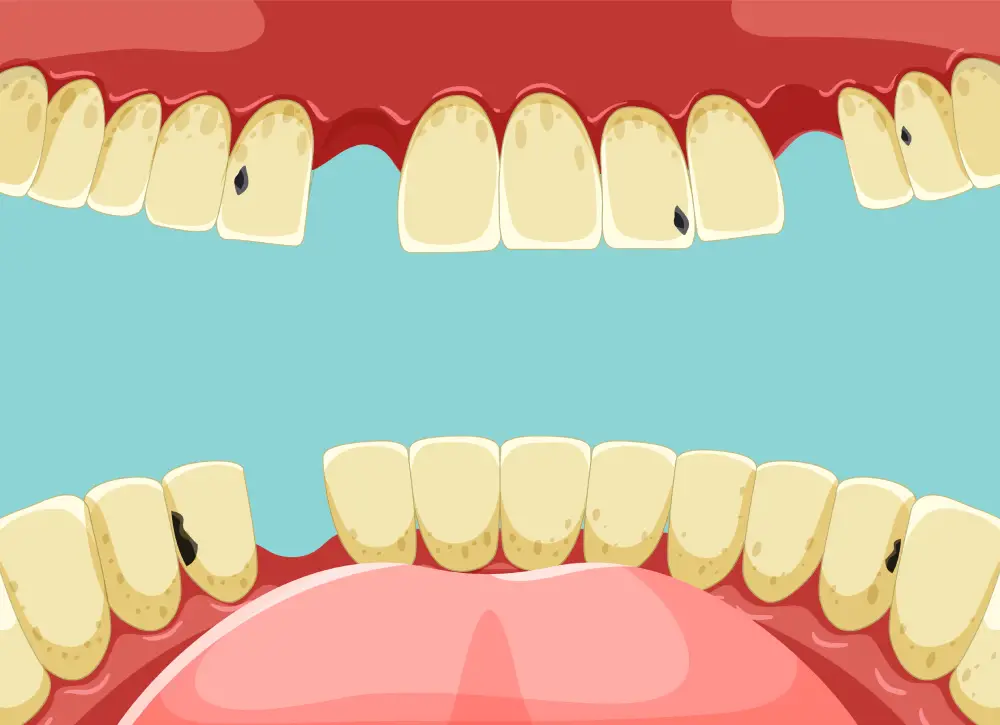
Many people experience wisdom teeth that grow improperly—partially erupted, tilted, or impacted—leading to pain, swelling, or difficulty chewing. Just hearing the term “wisdom tooth surgery” can cause anxiety due to fears of pain, swelling, or slow recovery. However, modern dentistry has transformed this experience. At Belix Dental, we believe great treatment begins with understanding—not just clinical care, but also your comfort and peace of mind. Wisdom tooth surgery today is no longer something to fear, but a small step toward long-term oral health.
What Is a Wisdom Tooth and Why Treat It?
A wisdom tooth is the third molar—the last tooth to erupt, typically after age 15. Often, there is not enough space in the jaw, causing the tooth to:
- Grow sideways or at an angle
- Partially erupt
- Remain impacted under the gum or bone
This can lead to:
- Gum inflammation and swelling
- Tooth decay in adjacent teeth
- Difficulty chewing
- Jaw pain or headaches
- Infection (including serious space infections if untreated)
Why Do Wisdom Teeth Become Impacted?
The main cause is insufficient jaw space, often influenced by genetics and modern jaw size reduction. As a result, wisdom teeth cannot erupt normally.
Risks of Leaving Wisdom Teeth Untreated
- Increased risk of decay in nearby teeth
- Gum infection (pericoronitis)
- Cyst formation (jaw cysts damaging bone and surrounding teeth)
- Chronic pain and inflammation
Early evaluation helps prevent complex complications.
Types of Impacted Wisdom Teeth
1. Upper vs Lower Wisdom Teeth
- Upper: Often easier to remove
- Lower: More complex due to dense bone and proximity to nerves
2. Angulation
- Mesioangular (tilted forward)
- Distoangular (tilted backward)
- Vertical
- Horizontal (most complex)
3. Depth & Position
- Deeply embedded in bone
- Close to nerves or sinus
- Complex root shape
Signs You May Need Wisdom Tooth Surgery
- Visible on X-ray but cannot erupt
- Partial eruption with swelling
- Recurrent infection
- Pain or pressure
- Decay in adjacent teeth
Preparation Before Surgery
1. Consultation
Discuss medical history, medications, and concerns.
2. X-ray / 3D Imaging
Precise evaluation of tooth position, roots, and nerves.
3. Food & Medication
- Eat before surgery
- Prepare soft foods
- Inform dentist of all medications
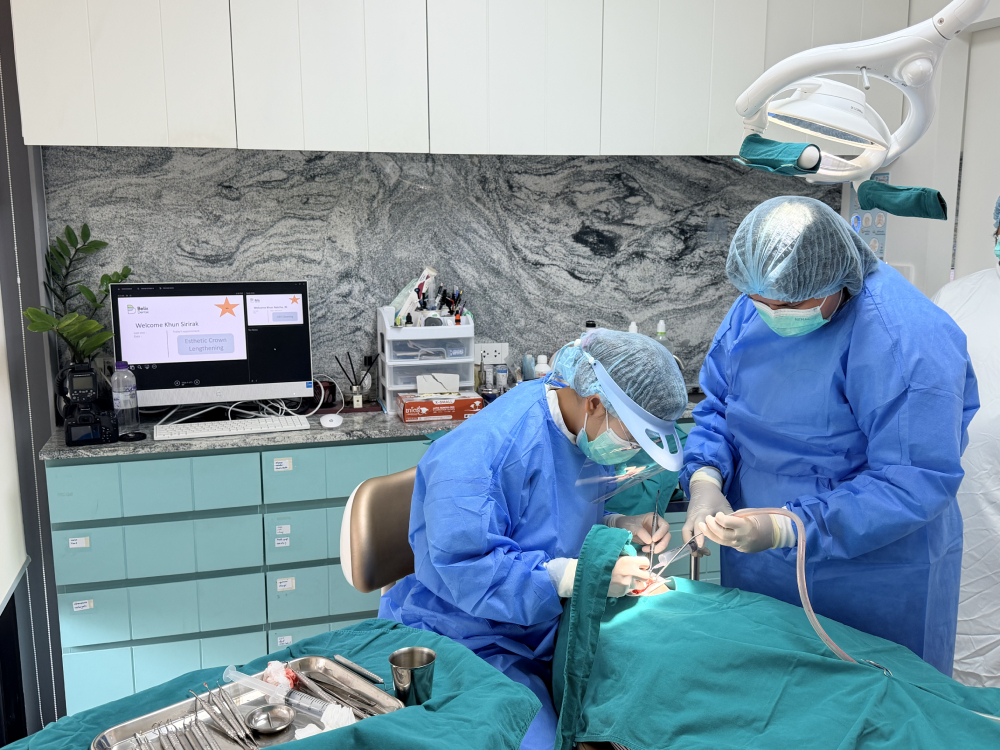
Modern Wisdom Tooth Surgery: Safer Than You Think
- 3D Digital X-ray / CT Scan: Precise planning
- Advanced surgical instruments: Minimal trauma
- Patient-centered care: Clear explanation and comfort throughout
At Belix Dental, these standards ensure a smoother and more comfortable experience.
Aftercare: Smooth Recovery Guide
Immediate Care
- Bite gauze for 1–2 hours
- Apply cold compress (first 24–72 hours)
- Take prescribed medication
Avoid
- Spitting forcefully
- Using straws
- Heavy exercise
Healing Timeline
- Day 1–3: Peak swelling and discomfort
- Day 3–5: Symptoms improve
- Day 5–7: Return to near normal
- 1 month: Gum closes
- 6–12 months: Bone fully heals
Is It Normal to Have a Hole After Surgery?
Yes. The socket gradually fills with tissue and bone over time. Proper hygiene is key to prevent infection.
What Can You Eat After Surgery?
Recommended
- Soft foods: porridge, soup, mashed potatoes
- Protein: eggs, tofu, soft fish
- Yogurt, smoothies
Avoid
- Hard or crunchy foods
- Hot or spicy food
- Alcohol and caffeine
- Using straws (risk of dry socket)
Common Symptoms After Surgery
- Pain (peaks in 1–3 days)
- Swelling (24–48 hours)
- Minor bleeding
Warning Signs (See a Dentist Immediately)
- Severe pain after day 3 (possible dry socket)
- Persistent bleeding
- Fever or swelling with pus
- Numbness beyond 24 hours
- Difficulty opening mouth
How Long Does Surgery Take?
- Simple cases: 15–30 minutes
- Complex cases: 45–60 minutes
Performed under local anesthesia—no pain during the procedure.
Summary
Wisdom tooth surgery is no longer as intimidating as it once was. With proper planning, modern technology, and expert care, the procedure can be safe, precise, and surprisingly comfortable.
Expert Insight by Dr. Pitchaya Vadhanakrai
The best timing for wisdom tooth removal is before inflammation begins.
- Surgery is easier when tissues are healthy
- Healing is faster with less swelling
- Risk of infection is significantly reduced
Early planning leads to a much smoother recovery experience.
Book Your Consultation
If you are experiencing wisdom tooth pain or looking for a trusted clinic for wisdom tooth surgery in Bangkok, our team at Belix Dental (Langsuan–Ruamrudee, near BTS Ploenchit) is here to help.
with our specialists
Medical content reviewed by
Dr. Pitchaya Vadhanakrai
Orthodontist, Invisalign Platinum Provider, and Founder of Belix Dental