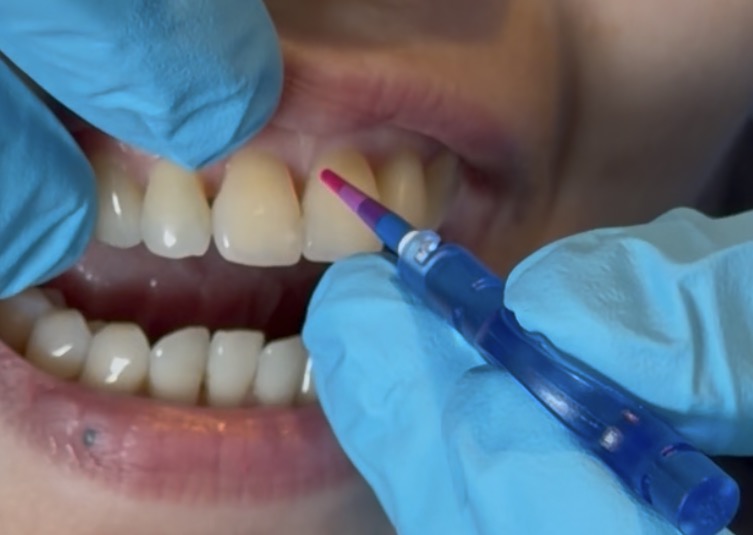
Bone Grafting
Many patients who require dental implants—often due to the loss of an important tooth—may have heard that bone grafting is needed beforehand. This can understandably raise concerns about additional costs, treatment complexity, or longer timelines.
The good news is that not everyone requires bone grafting before dental implant placement. In fact, bone grafting is a procedure designed to strengthen the foundation for implants—helping ensure long-term stability, safety, and function. Whether it is necessary depends on each individual’s oral condition.
This article will guide you through what bone grafting is, who may need it, and how long the process takes—helping you make informed decisions about your treatment.
What Is Bone Grafting?
Bone grafting is a dental procedure used to increase the volume or density of jawbone in areas where bone has resorbed or become insufficient after tooth loss.
The graft material may include xenografts (derived from other species), allografts (human donor bone), autogenous grafts (the patient’s own bone), or other safely processed biocompatible materials.
The selection is carefully tailored to each patient’s bone condition and overall treatment plan.
Is Bone Grafting Necessary?
Whether bone grafting is required before dental implant placement depends on the condition of the jawbone.
In general, successful dental implant placement requires sufficient:
- Bone volume
- Bone height
- Bone density
If the bone is too thin, insufficient in height, or has resorbed over time, implant stability may be compromised.
For this reason, dentists perform a detailed evaluation—typically using X-rays or 3D CT scans—to assess whether the bone is adequate for implant placement.
If the bone volume is insufficient, bone grafting—either prior to or simultaneously with implant placement—can help improve bone quantity and strength, leading to better long-term outcomes.
When Is Bone Grafting Recommended
1. Insufficient Jawbone Volume
If the bone is too thin or lacks sufficient height, the implant may not achieve stable anchorage. Bone grafting helps create a more suitable foundation.
2. Long-Term Tooth Loss
Leaving a missing tooth untreated for months or years can lead to progressive bone resorption. In such cases, grafting is often necessary before implant placement.
3. History of Periodontal Disease
Gum disease can gradually destroy the supporting bone around teeth. Even after treating the infection, the remaining bone may be insufficient for implants.
4. High Load-Bearing Areas
Molars endure significant chewing forces and require strong, adequate bone support. Bone grafting enhances stability and longevity in these areas.
Benefits and Considerations of Bone Grafting
Benefits
- Enhances implant stability and long-term success
- Reduces risk of implant failure
- Supports facial structure and natural aesthetics
Considerations
- Requires healing time before final implant restoration
- Demands careful post-operative care
- May involve additional cost

How Long Does Bone Grafting Take?
The healing time after bone grafting varies depending on several factors, including:
- The amount of bone required
- The type of graft material
- The treatment area
- Individual healing response
Minor bone grafting In cases with minimal bone loss, bone grafting can often be performed simultaneously with dental implant placement, reducing overall treatment time.
Major bone grafting If a larger volume of bone is required or significant bone loss is present, healing may take approximately 3–8 months. This allows the new bone to integrate and become strong enough to support the implant safely.
Post-Treatment Care: 5 Essential Tips
1. Avoid chewing hard foods in the treated area
Choose soft foods and avoid pressure on the surgical site during the early healing phase.
2. Avoid smoking and alcohol
Both can impair healing and increase the risk of infection or graft failure.
3. Take medications as prescribed
Complete all prescribed medications to control inflammation and prevent infection.
4. Maintain gentle oral hygiene
Brush carefully and avoid disturbing the surgical area. Use mouthwash if recommended by your dentist.
5. Attend follow-up appointments
Regular check-ups allow your dentist to monitor healing and plan the next stage of treatment.
FAQs: Bone Grafting
Q1: Why does jawbone shrink after tooth loss?
ตอบ : Jawbone requires stimulation from chewing forces. When a tooth is lost, the bone no longer receives this stimulation and gradually resorbs over time.
Common causes of jawbone resorption (bone loss) include:
- Delayed implant placement: Leaving a gap for too long after tooth extraction; without stimulation from use, the bone naturally shrinks.
- Long-term use of dentures or bridges: These do not stimulate the bone like natural roots or dental implants do.
- Gum or periodontal disease: Chronic inflammation leads to the progressive destruction of the supporting bone.
- Root infections or chronic abscesses: Persistent infections can actively destroy the surrounding bone structure.
Q2: Does everyone need bone grafting before implants?
ตอบ : Not always. If sufficient bone is present, implants can be placed without grafting. A dentist must evaluate this on an individual basis.
Q3: Can I skip bone grafting?
ตอบ : In some cases, yes—but the implant may need to be smaller or shorter, which may compromise long-term stability. Bone grafting generally provides better outcomes.
Q4: Is bone grafting painful?
ตอบ : The procedure is performed under local anesthesia, so you should not feel pain during treatment. Mild swelling or discomfort afterward is normal and temporary.
Q5: Can implants be placed immediately after grafting?
ตอบ : In simple cases, yes. In more complex cases, healing time is required before implant placement.
Q6: How long does the graft last?
ตอบ : With proper care and successful integration, the grafted bone can support implants long-term.
Conclusion
Bone grafting is an important step for patients with insufficient bone who wish to receive dental implants. While it may require additional time, care, and investment, it significantly improves treatment success and long-term stability.
A personalized evaluation and treatment plan—guided by your dentist—ensures the most effective and safe outcome.
At Belix Dental Clinic, we focus on precise diagnosis using advanced imaging technology, allowing us to design personalized bone grafting and implant treatment plans that are both functional and aesthetic.
Expert Insight by Dr. Pitchaya Vadhanakrai
Think of bone grafting as preparing the foundation before building a house.
- Bone grafting = strengthening the ground
- Dental implant = building the structure
Book Your Consultation
If you are considering dental implants and want to know whether bone grafting is necessary, our team at Belix Dental (Langsuan–Ruamrudee, near BTS Ploenchit) is here to help.We use 3D Digital CT Scan technology to accurately assess bone volume and design personalized treatment plans for optimal results.
with our specialists
Medical content reviewed by
Dr. Pitchaya Vadhanakrai
Orthodontist, Invisalign Platinum Provider, and Founder of Belix Dental