Dental X-Rays
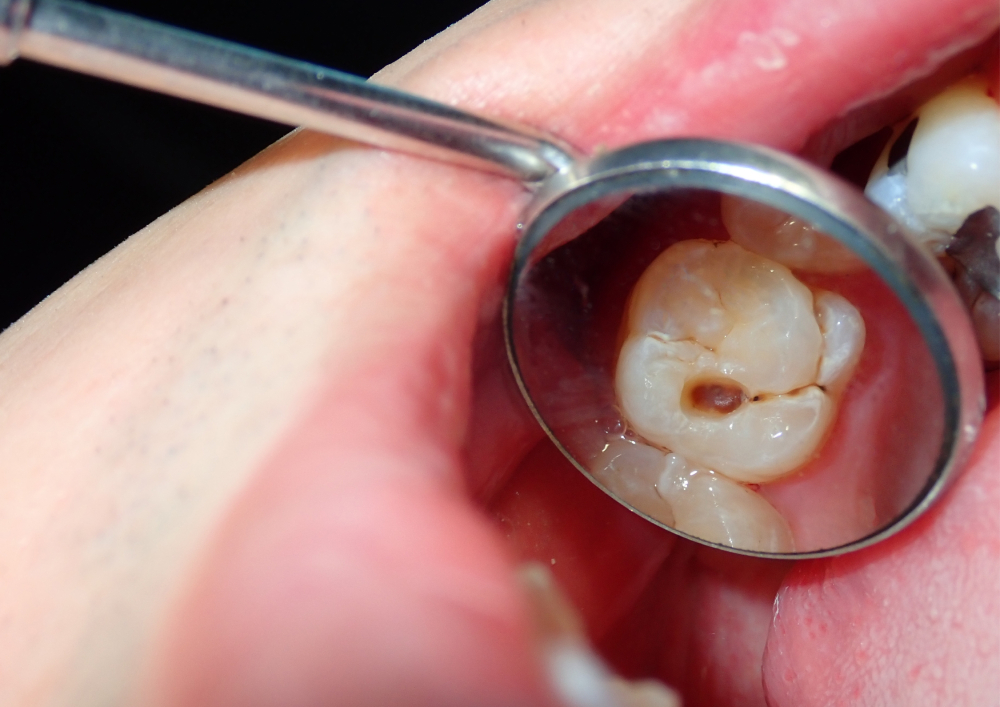
Teeth that appear perfectly normal on the surface may still have underlying issues hidden beneath.
Problems inside the tooth, gums, or jawbone often cannot be detected by visual examination alone. This is where dental X-rays play a crucial role.
Despite this, many patients still feel concerned about X-rays—whether due to radiation exposure or the belief that they are unnecessary.
What Is a Dental X-Ray?
A dental X-ray is a diagnostic imaging technique that uses a low dose of radiation to capture images of structures inside the mouth, including:
- Teeth
- Tooth roots
- Jawbone
- Surrounding tissues
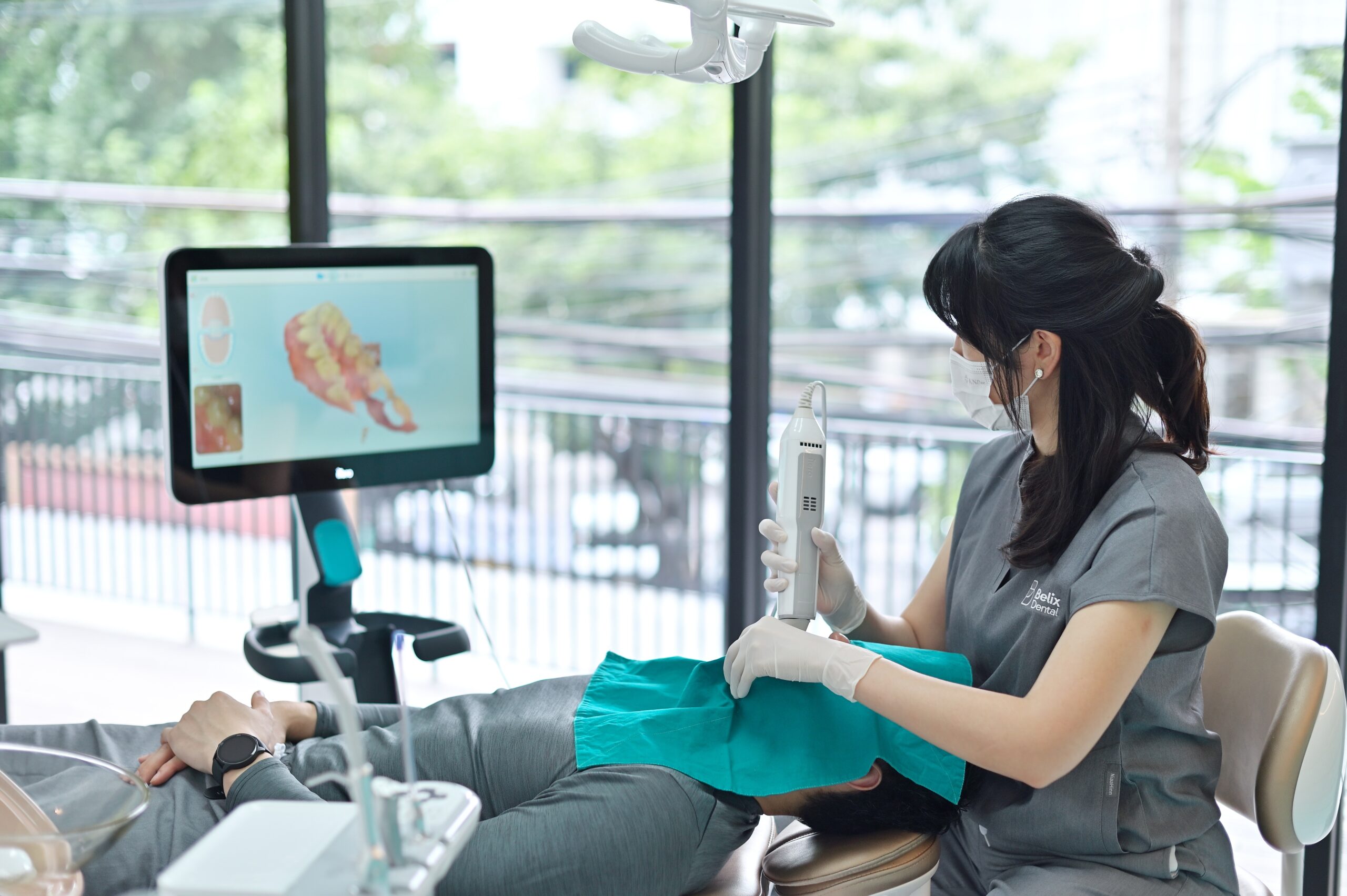
These images help dentists diagnose conditions accurately and plan treatment with precision. Today, most clinics use digital X-rays, which:
- Use significantly lower radiation than traditional systems
- Provide instant, high-resolution images
- Improve diagnostic efficiency
Types of Dental X-Rays
1. Periapical / Bitewing X-Rays
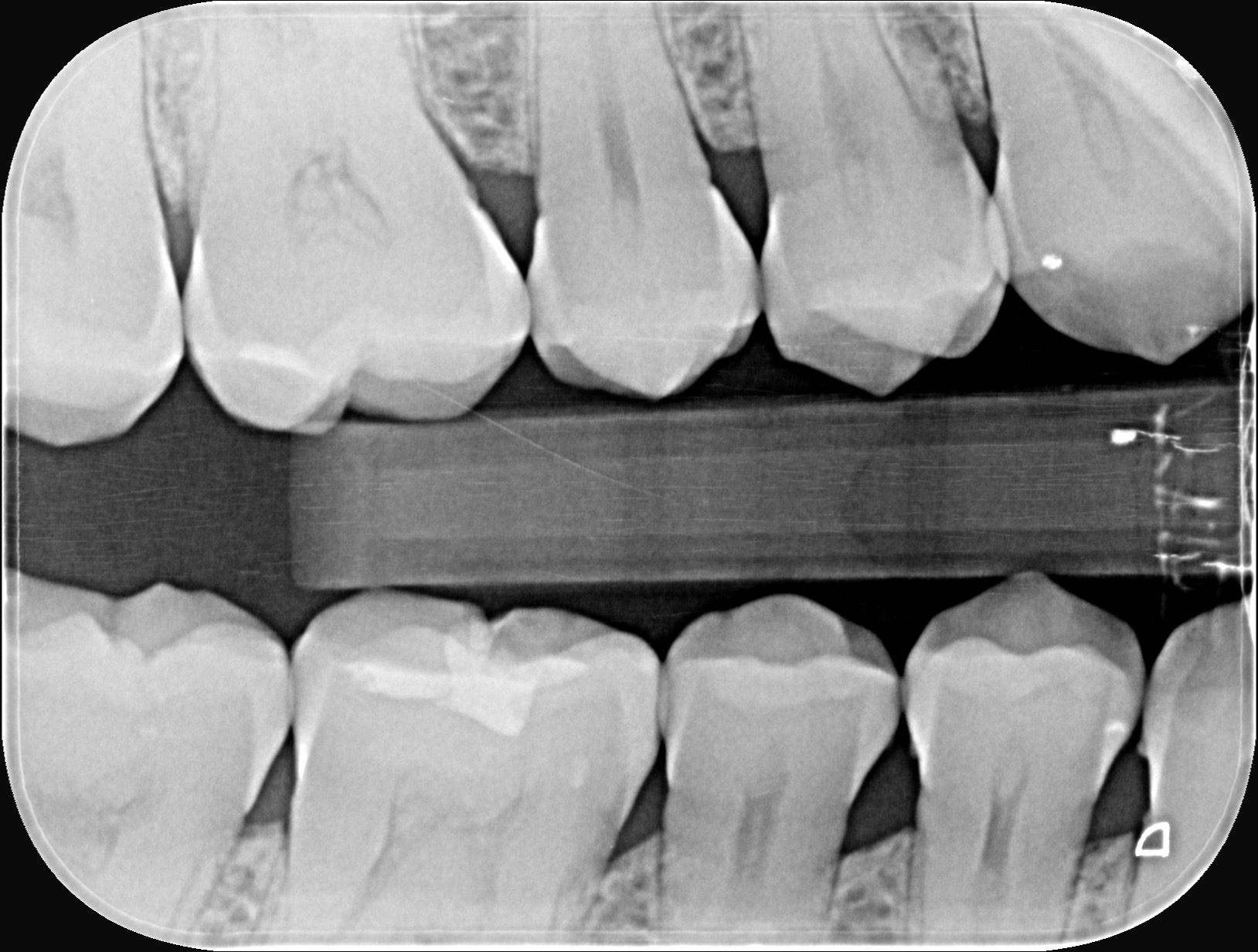
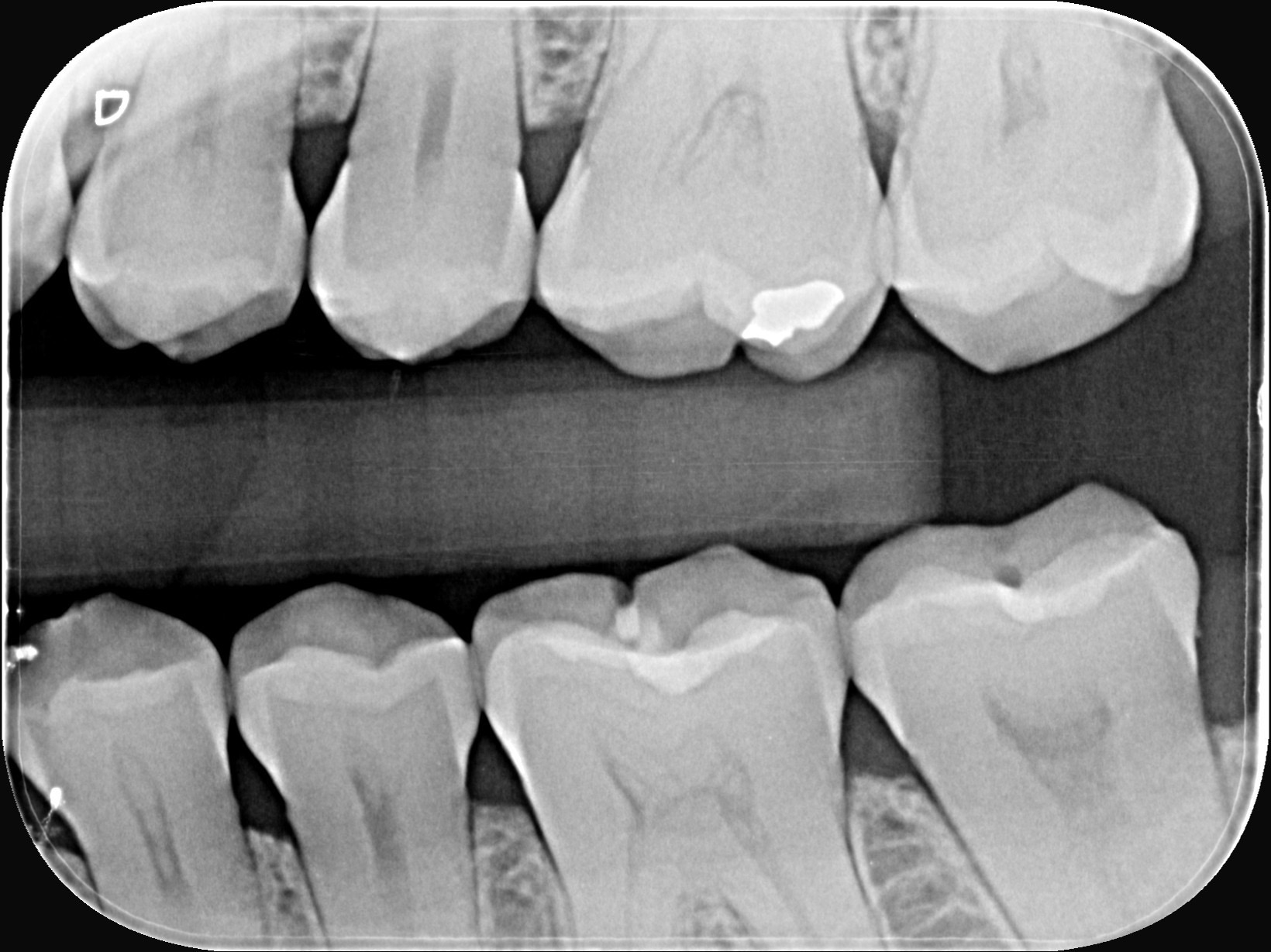
Focus on individual teeth and surrounding structures. Best for:
- Detecting cavities
- Evaluating root conditions
- Monitoring root canal treatments
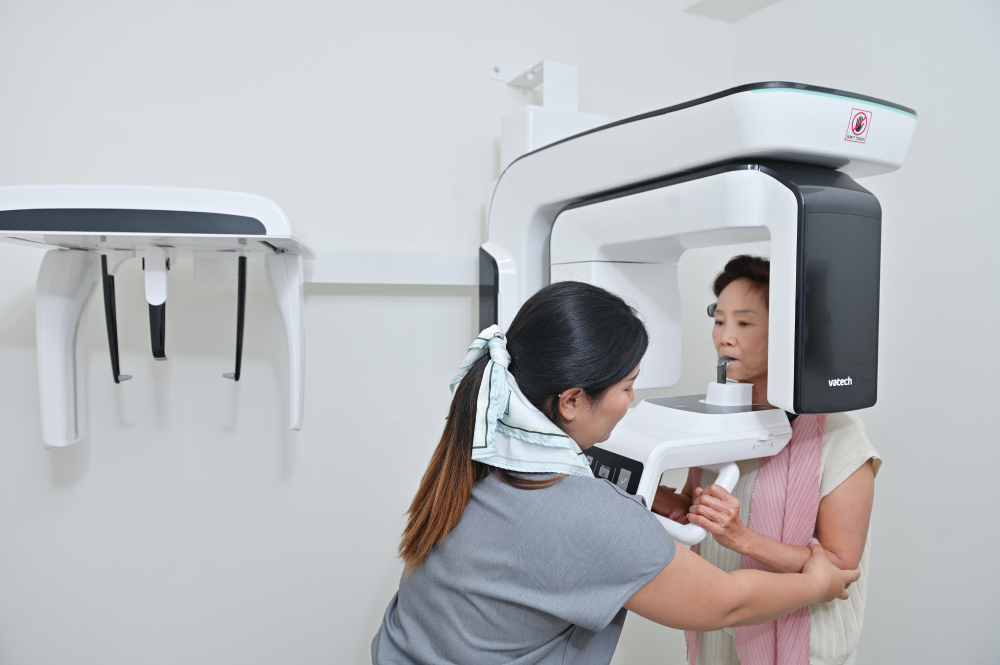
2. Panoramic X-Rays
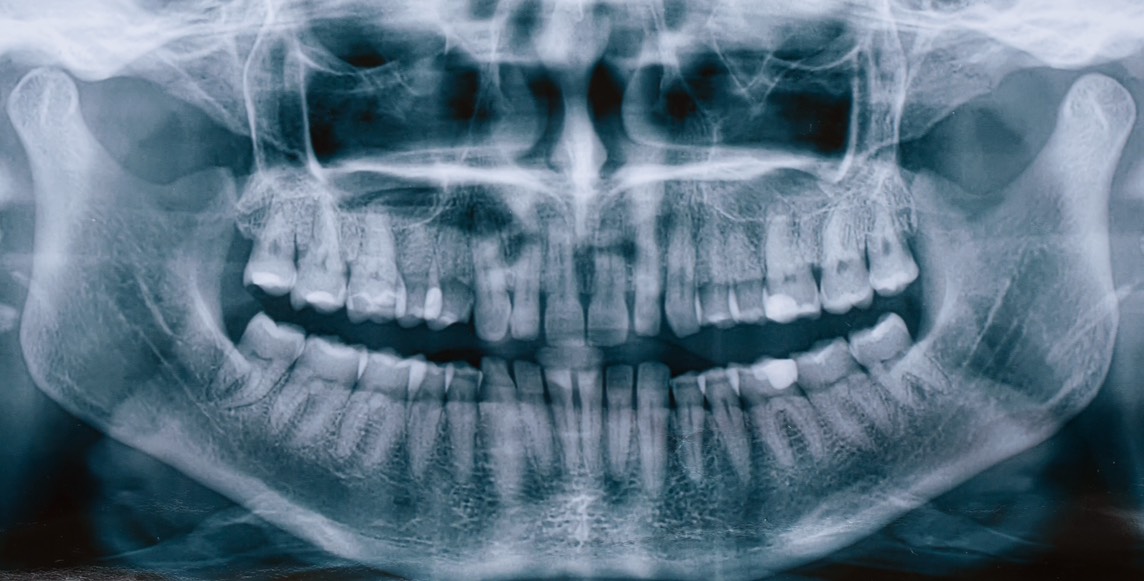
Capture the entire mouth in a single image. Best for:
- Impacted teeth
- Jaw structure assessment
- Orthodontic planning
3. 3D X-Rays (CBCT)
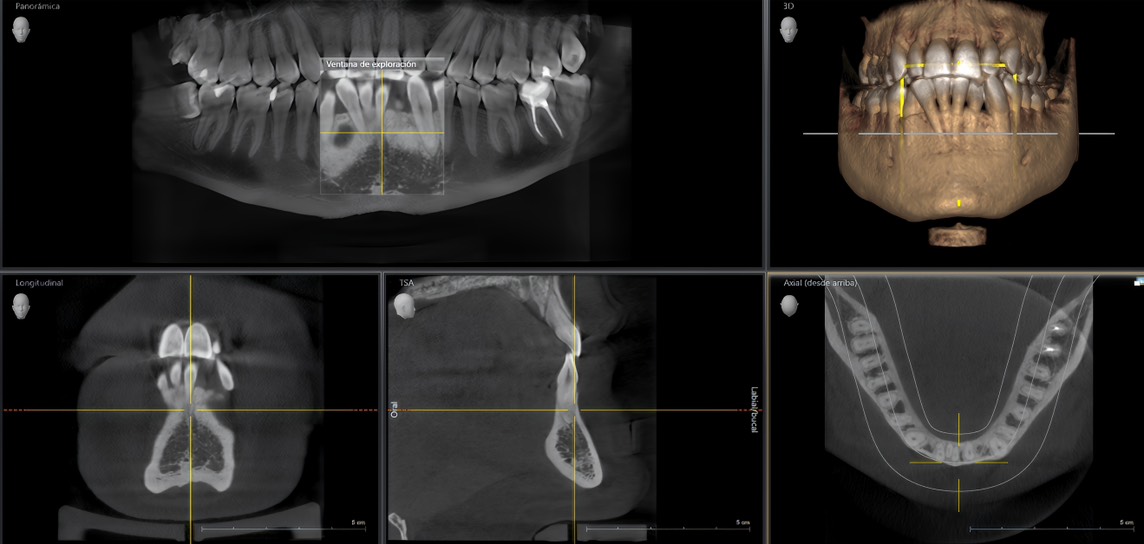
Provide three-dimensional imaging for complex cases. Best for:
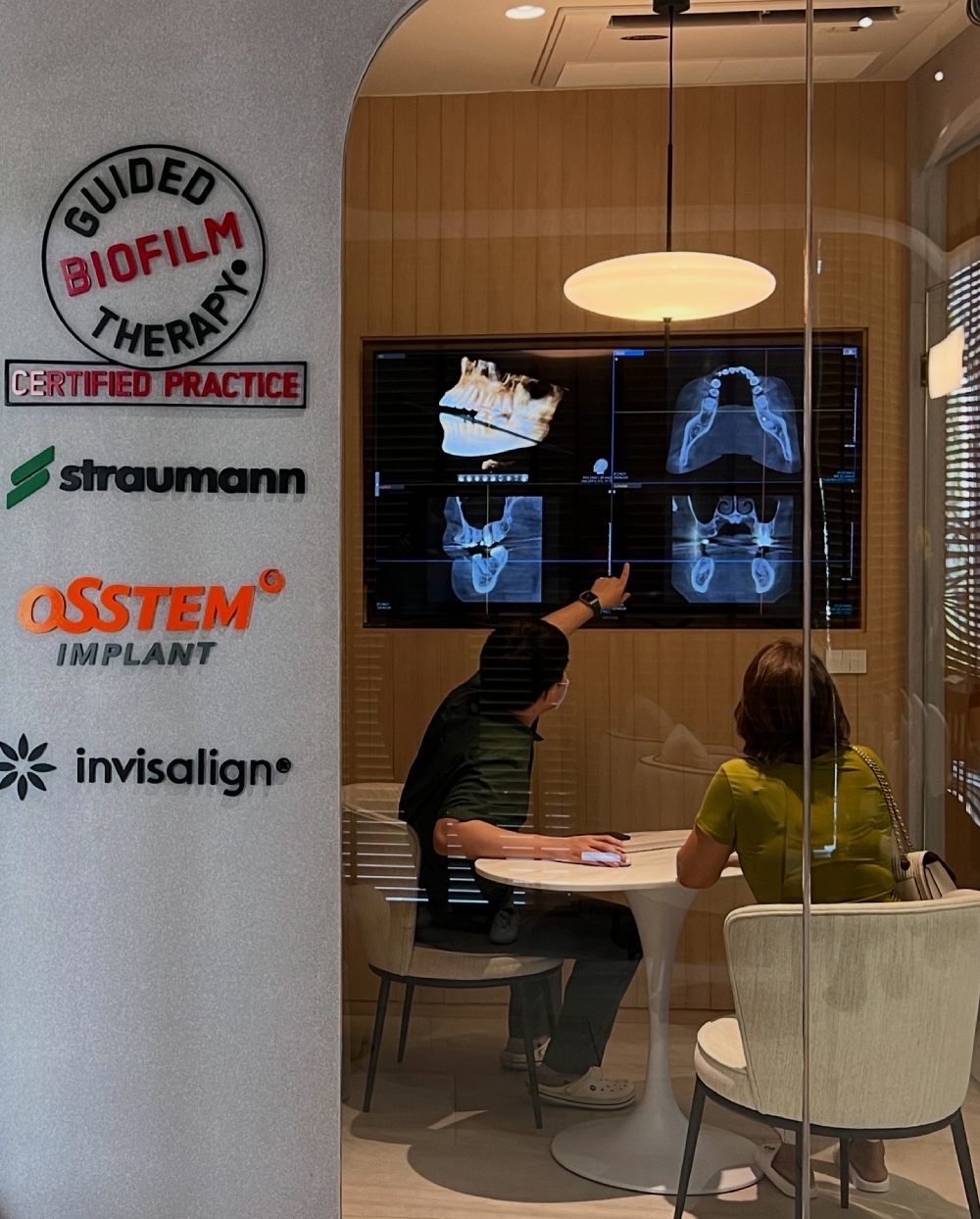
- Dental implants
- Surgical planning
- Nerve and bone assessment
Are Dental X-Rays Safe?
Yes—modern dental X-rays are considered very safe.
- Radiation exposure is extremely low
- Often lower than everyday environmental exposure
- Protective equipment (lead aprons) is used
Dentists only recommend X-rays when clinically necessary, ensuring minimal exposure while maximizing diagnostic benefit.
How Often Should You Get Dental X-Rays?
There is no one-size-fits-all schedule.
For patients with good oral health, the American Dental Association (ADA) suggests X-rays approximately every 1–2 years.
However, frequency depends on:
- Age
- Oral health condition
- Risk of tooth decay
- Ongoing treatments
When Are Dental X-Rays Necessary?
Dental X-rays are especially important when problems are not visible externally, such as:
- Cavities between teeth
- Root infections
- Bone loss
- Impacted teeth
- Cracks or trauma
They are commonly recommended for:
- First-time dental visits
- Unexplained tooth pain
- Root canal planning
- Wisdom tooth evaluation
- Orthodontic or implant planning
- Monitoring treatment progress
- Dental X-rays for follow-up after treatment.
Benefits of Dental X-Rays
- Early Detection Identify problems before symptoms appear
- Less Invasive Treatment Early diagnosis leads to simpler, less invasive care
- Accurate Treatment Planning Improves precision and outcomes
- Enhanced Safety Reduces risks during procedures such as surgery or implants
FAQs: Dental X-Rays
Q1: Do I need X-rays if I have no pain?
ตอบ : Possibly. Some conditions develop without symptoms.
Q2: Are X-rays harmful if taken frequently?
ตอบ : No. Exposure levels are very low and controlled.
Q3: Can children have dental X-rays?
ตอบ : Yes, when clinically necessary and properly adjusted.
Q4: Can pregnant patients have X-rays?
ตอบ : Generally avoided, especially in the first trimester, unless necessary.
Q5: Are X-rays required before braces?
ตอบ : Yes, for proper diagnosis and planning.
Q6: Do I need to prepare before an X-ray?
ตอบ : No special preparation—just remove metal objects if needed.
Conclusion
Dental X-rays are an essential diagnostic tool that allows dentists to see beyond what is visible to the eye. They are:
- Safe
- Precise
- And critical for early detection and effective treatment
At Belix Dental, we prioritize both accuracy and safety, using advanced imaging technology to ensure every diagnosis is thorough and every treatment plan is tailored.
Expert Insight by Dr. Pitchaya Vadhanakrai
Dental X-rays use significantly lower radiation compared to many other medical imaging procedures.
In fact, the exposure level is comparable to natural environmental radiation received during everyday activities.
With proper protocols and modern technology, dental X-rays are safe for both children and adults—and remain an essential part of accurate diagnosis.
Book Your Consultation
If you’re looking to detect hidden dental problems or need a precise diagnosis, our team at Belix Dental (Langsuan–Ruamrudee, near BTS Ploenchit) is here to help.We use advanced digital X-ray and 3D imaging technology to provide accurate, safe, and personalized treatment planning.
with our specialists
Medical content reviewed by
Dr. Pitchaya Vadhanakrai
Orthodontist, Invisalign Platinum Provider, and Founder of Belix Dental