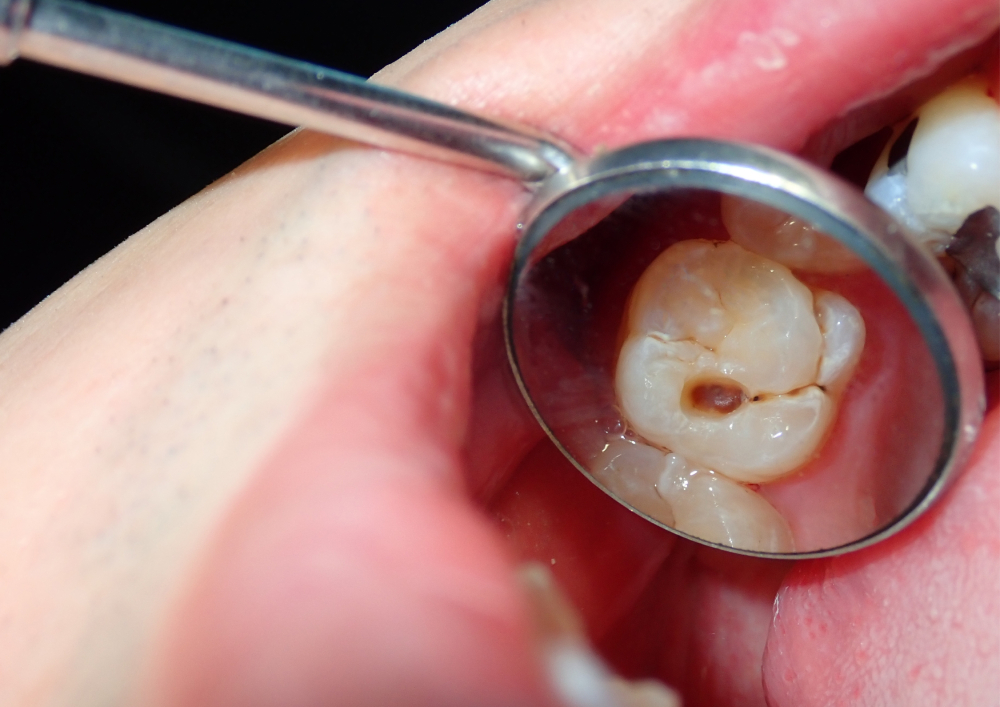
What is Full mouth Rehabilitation?
Full Mouth Rehabilitation: What It Is, Why It Matters, and How to Care for It
This article is distilled from over 20 years of experience in Prosthodontics—the specialty dedicated to restoring and replacing teeth. My hope is that it helps individuals facing complex dental problems, as well as those caring for loved ones, better understand their treatment options and make informed decisions about long-term oral health.
Most importantly, I hope you continue to enjoy every meal with comfort and confidence.
What Is Full Mouth Rehabilitation?
Full Mouth Rehabilitation (also known as Full Mouth Reconstruction) is a comprehensive dental treatment designed to restore the health, function, and appearance of all—or nearly all—the teeth in both the upper and lower jaws.
This treatment is far more than a cosmetic makeover. It involves carefully rebuilding the bite, restoring chewing efficiency, improving speech, and creating a healthier, more stable oral environment for the future.
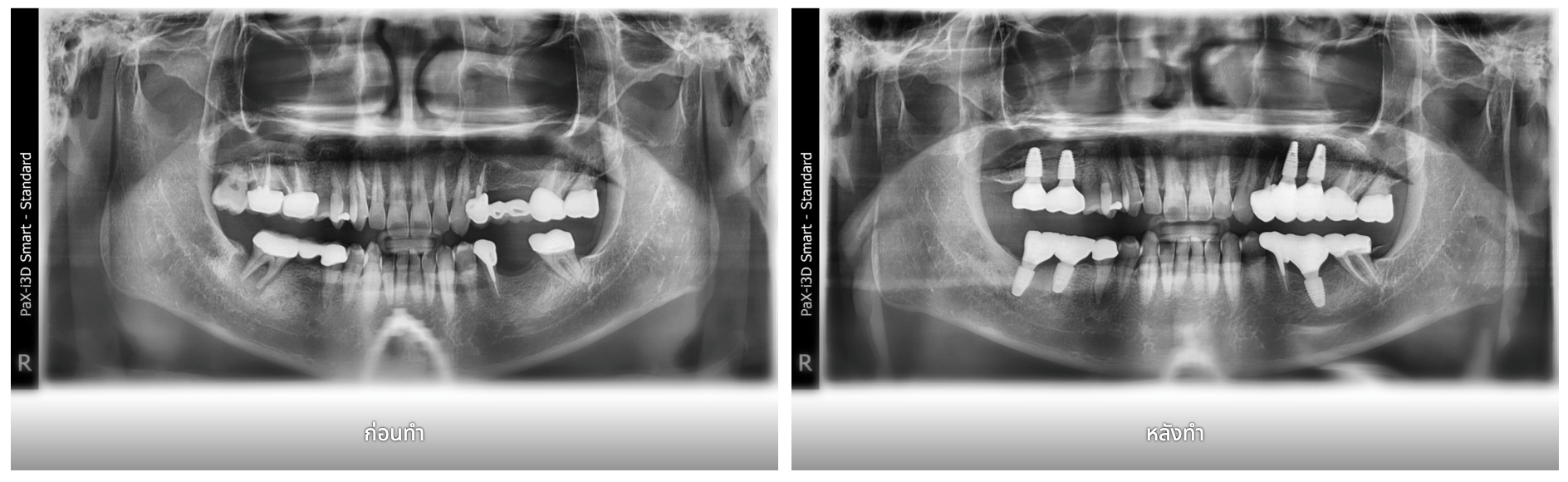
Why Might Someone Need Full Mouth Rehabilitation?
You may be a candidate for Full Mouth Rehabilitation if you experience one or more of the following conditions:
- Severely worn, fractured, or damaged teeth caused by grinding (bruxism), erosion, or long-term wear and tear
- Multiple missing teeth or teeth that have deteriorated beyond the point of predictable restoration
- Bite problems (malocclusion) that make chewing difficult, contribute to jaw discomfort, or cause uneven tooth wear
- Extensive tooth decay affecting multiple teeth
- Old dental restorations that no longer fit properly or function effectively
- Significant aesthetic concerns involving multiple teeth that affect confidence and quality of life
- Jaw joint (TMJ) pain, headaches, or muscle discomfort associated with bite imbalance
While Full Mouth Rehabilitation is not solely about aesthetics, appearance cannot be overlooked. Modern dentistry allows us to create restorations that closely resemble natural teeth while maintaining excellent strength and durability. Achieving this balance often requires collaboration among multiple dental specialists.
Goals of Full Mouth Rehabilitation
Every treatment plan is uniquely customized to the individual patient, but common goals include:
- Restoring tooth structure, strength, and durability
- Re-establishing a healthy, balanced bite for efficient chewing
- Improving facial support and smile aesthetics
- Reducing TMJ discomfort and muscle strain associated with bite dysfunction
- Creating a healthy oral environment that is easier to maintain
- Preserving natural teeth whenever possible and delaying unnecessary extractions
What Treatments May Be Involved?
Because every patient presents with different needs, no two Full Mouth Rehabilitation cases are identical.
Comprehensive Examination and Diagnosis
- Clinical examination
- Digital photographs
- Dental impressions or digital scans
- Bite analysis
- X-rays and, when necessary, CBCT (3D CT scanning)
Bite Analysis and Treatment Planning
A detailed assessment of jaw relationships and bite function is performed to determine the ideal treatment sequence and long-term restorative goals.
Restorative Dentistry
- Crowns
- Bridges
- Onlays
- Tooth-colored fillings
Replacement of Missing Teeth
- Dental implants
- Fixed bridges
- Removable dentures
Periodontal (Gum) Treatment
- Professional cleaning
- Deep scaling and root planing
- Periodontal surgery when indicated
Endodontic (Root Canal) Treatment
Teeth with infected nerves, deep fractures, or extensive structural damage may require root canal treatment before restoration.
Occlusal Therapy and Night Guards
Bite adjustment and protective appliances may be necessary, particularly for patients who grind or clench their teeth.
Aesthetic Dentistry
When appropriate, porcelain veneers or ceramic crowns may be incorporated to enhance smile aesthetics while maintaining function.
Medical History Review
Patients should always inform their dentist about any medical conditions, medications, supplements, or injectable treatments they are receiving. This information is essential for safe and predictable treatment planning.
The Treatment Process
- Consultation and Treatment Planning – Comprehensive evaluation and multidisciplinary planning.
- Preparatory Care – Existing infections, gum disease, or non-restorable teeth are treated first.
- Transitional Treatment Phase – Temporary restorations are used to establish a stable bite and evaluate comfort.
- Definitive Rehabilitation – Final crowns, bridges, implants, or prosthetic restorations are delivered.
- Long-Term Maintenance – Regular follow-up visits every 3–6 months.

Risks and Important Considerations
Like any dental treatment, Full Mouth Rehabilitation carries potential risks and complications, including:
- Tooth sensitivity
- Pulp inflammation requiring future root canal treatment
- Crown or restoration fracture
- Implant-related complications
- Recurrent decay beneath restorations
- Bite changes over time
These risks may be higher in patients with severe grinding habits, inconsistent night guard use, or a history of orthodontic relapse due to not wearing retainers.
Choosing the right dentist is equally important. Full Mouth Rehabilitation is not a one-time procedure—it is a long-term partnership.
“A full-mouth rehabilitation case is almost like a marriage between the dentist and the patient. Before beginning treatment, both parties should feel confident they are prepared for a long-term relationship.”
Patients should seek a dental team they trust, feel comfortable communicating with, and can envision seeing regularly for years to come.
Financial considerations are also important. Do not hesitate to discuss treatment costs, payment options, maintenance requirements, and warranty policies with your dental team.
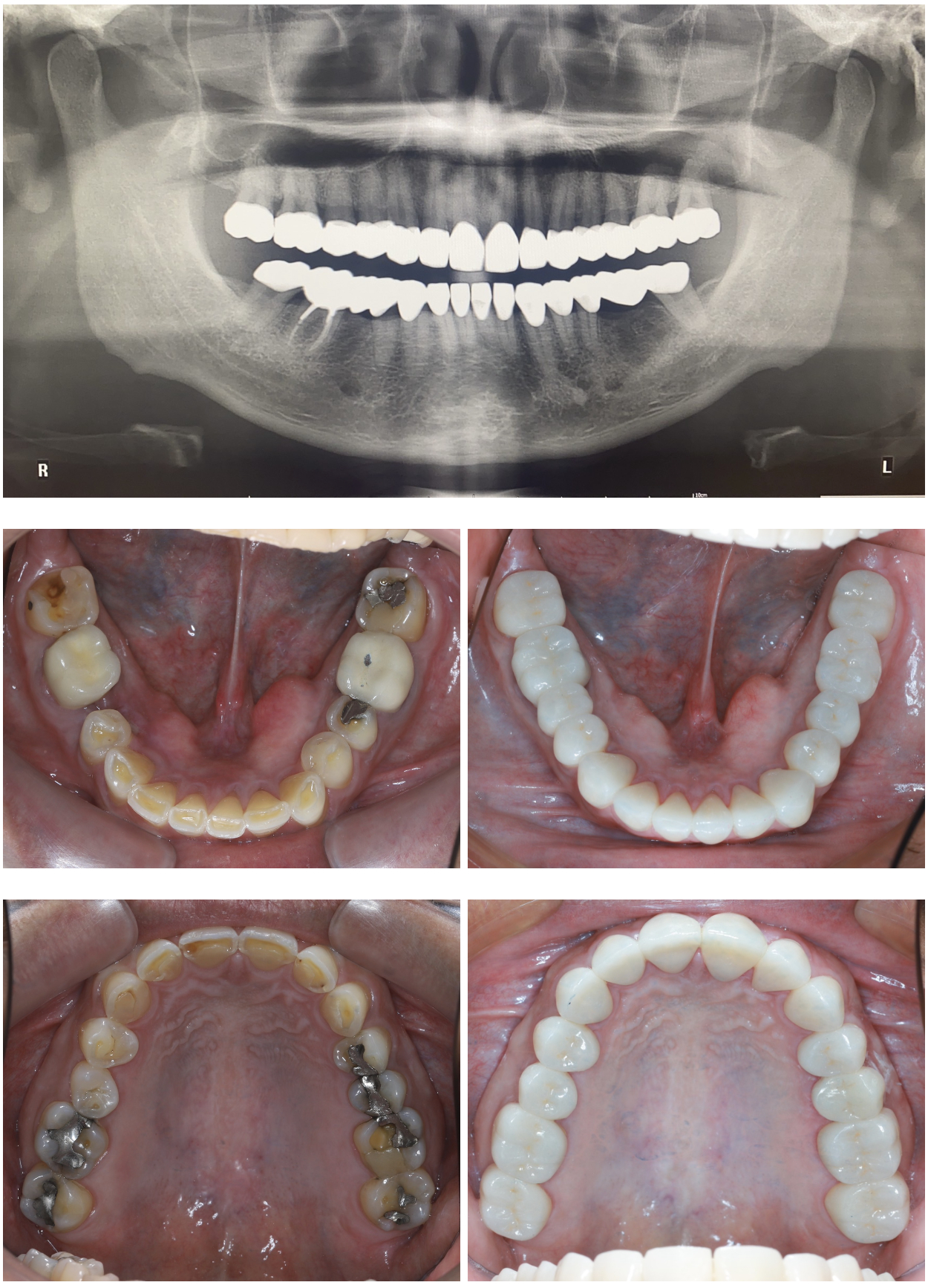
How to Protect Your Investment
Successful rehabilitation requires lifelong maintenance.
Daily Oral Hygiene
- Brush twice daily using a soft-bristled toothbrush
- Use fluoride toothpaste containing at least 800 ppm fluoride
- Clean between teeth using floss, interdental brushes, or other recommended devices
Wear Your Night Guard
Patients with grinding or clenching habits should wear their night guard every night. Those with daytime clenching may benefit from wearing it during the day when practical.
Address Problems Early
Contact your dentist promptly if you notice:
- Food trapping between teeth
- Mobility or looseness
- Chipping or fractures
- Bite changes
- Unusual discomfort
Minor issues are often easier and less costly to correct when detected early.
Attend Regular Maintenance Visits
- Professional cleaning
- Bite evaluation
- Assessment of retainers and night guards
- Appropriate radiographic examinations
Avoid Excessive Forces
Protect your restorations by avoiding habits such as:
- Chewing ice
- Cracking hard nuts or shells
- Biting crab shells
- Using teeth as tools
Final Thought
The teeth you receive through Full Mouth Rehabilitation are not “new natural teeth.” They are carefully designed restorations intended to replace or reinforce teeth that have been damaged, worn down, or lost.
If the habits that caused the original damage continue, even the most advanced restorations can eventually fail.
With proper maintenance, regular professional care, and healthy daily habits, however, Full Mouth Rehabilitation can restore comfort, confidence, and quality of life for many years to come.
Wishing you excellent oral health—and many enjoyable meals ahead.
with our specialists
Medical content reviewed by
Dr. Nantiya Boonyuen
Prosthodontist & DSD Member