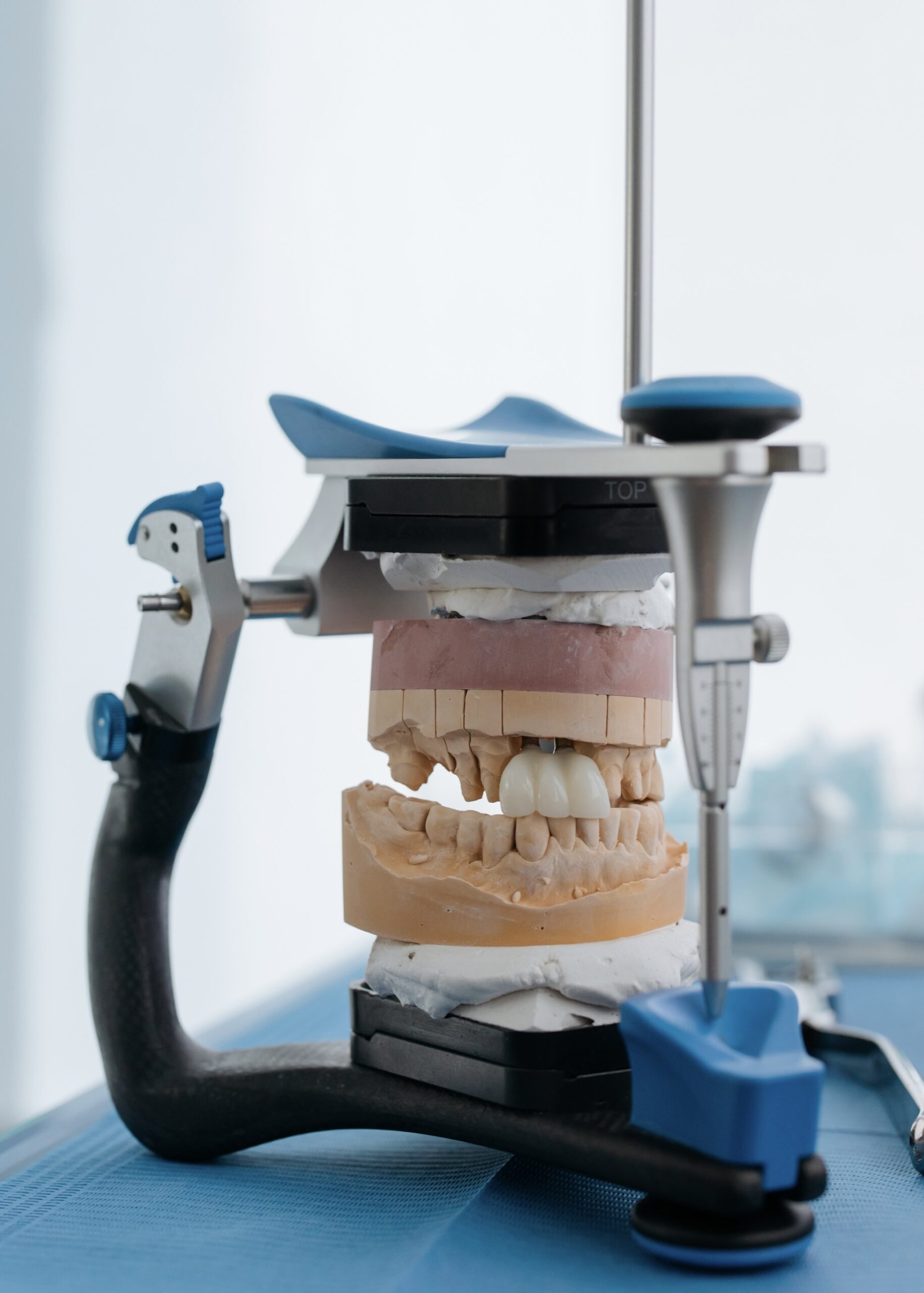
Receding Gums (Cervical Abrasion)
Many people believe that brushing harder leads to cleaner or whiter teeth. In reality, this is a common misconception.
Proper brushing technique—gentle, consistent, and precise—is far more effective and significantly safer for your teeth and gums.
Brushing too aggressively over time can lead to a condition known as cervical abrasion, commonly referred to as receding or worn tooth necks. This is a leading cause of tooth sensitivity, even in the absence of cavities.
What Is Cervical Abrasion?
Cervical abrasion is the loss of tooth structure at the neck of the tooth, near the gumline, not caused by decay.
As this area wears away, the inner dentin becomes exposed, leading to sensitivity and an increased risk of decay in that region.
It often appears as a small notch or indentation near the gumline—sometimes not easily visible, but usually noticeable through sensitivity first.
Why Is It a Concern?
Cervical abrasion is not an emergency condition, but it is progressive. If left untreated, it may lead to:
- Increased tooth sensitivity affecting daily life
- Higher risk of cavities near the gumline
- Weakened tooth structure & Risk of chipping or fracture
- More complex treatment needs in advanced stages
Early detection allows for simpler and more conservative management.
Causes of Cervical Abrasion
This condition is usually multifactorial, including:
- Brushing Too Hard Excessive pressure or horizontal brushing gradually wears away enamel at the gumline.
- Hard-Bristled Toothbrush or Abrasive Toothpaste These can accelerate enamel loss, especially with frequent or forceful brushing.
- Gum Recession When gums recede, the root surface becomes exposed—making it more vulnerable to wear and sensitivity.
- Teeth Grinding or Clenching Excessive occlusal forces can concentrate stress at the cervical area, leading to localized wear.
- Acid Exposure (Erosion) Acid softens enamel, making it more susceptible to abrasion—especially if brushing immediately afterward.
Symptoms to Watch For
- Sensitivity during brushing
- Sharp pain when consuming cold, hot, or sweet foods
- Localized “zing” sensation at a specific spot
- Visible grooves or notches near the gumline
- Rough or uneven tooth surface
- Increased risk of cavities in that area
Treatment Options for Cervical Abrasion
Treatment depends on severity and individual risk factors.

Mild Cases
Focus: Prevention and sensitivity control
- Adjust brushing technique (soft brush, gentle pressure)
- Use desensitizing toothpaste
- Apply fluoride or protective agents
Symptoms often improve significantly with proper care.
Moderate Cases
Focus: Restore structure and reduce sensitivity
- Tooth-colored fillings at the cervical area
- Smooth surface to reduce plaque accumulation
Following the filling, if you follow your dentist's behavioral advice, tooth sensitivity will typically improve, allowing you to use your teeth normally.
Severe Cases
Focus: Strength and long-term protection
- Restorations or crowns in selected cases
- Root canal treatment if nerve involvement occurs
- Management of contributing factors (e.g., grinding, bite issues)
Treatment at this stage requires careful planning to preserve your natural teeth for as long as possible.
How to Prevent Cervical Abrasion
We can modify risky behaviors to prevent cervical abrasion from worsening, reducing the chance of pain or tooth loss that could lead to more serious complications. Start with these simple lifestyle adjustments:
- Use a Soft-Bristled Toothbrush Gentle cleaning reduces friction at vulnerable areas.
- Brush Gently More pressure does not mean better cleaning—technique matters more than force.
- Choose Low-Abrasive Toothpaste Especially important for patients with sensitivity or thinning enamel.
- Avoid Brushing Immediately After Acid Exposure Wait at least 30 minutes to allow enamel to recover.
- Address Teeth Grinding A night guard may be recommended to reduce excessive force.
- Schedule Regular Dental Check-ups Routine visits help detect early changes and prevent progression.
FAQs: Receding Gums
Q1: Is cervical abrasion the same as a cavity?
ตอบ : No. Cervical abrasion is caused by mechanical wear, while cavities are caused by bacterial decay.
Q2: Can it heal on its own?
ตอบ : No. Lost tooth structure cannot regenerate, but it can be treated and protected.
Q3: Does sensitivity always mean cervical abrasion?
ตอบ : Not always. Sensitivity may also result from erosion, decay, or other conditions.
Q4: Will sensitivity return after treatment?
ตอบ : It may, but proper treatment combined with behavior modification significantly reduces recurrence.
Q5: Can desensitizing toothpaste cure it?
ตอบ : It helps reduce symptoms but does not treat the underlying structural loss.
Conclusion
Cervical abrasion is a common condition often caused by everyday habits—especially brushing too hard.
Early signs such as sensitivity or slight notching should not be ignored. With proper technique, preventive care, and early treatment, further damage can be minimized and natural teeth preserved long-term.
At Belix Dental, we focus on identifying the root cause and providing personalized care to protect both function and aesthetics.
Expert Insight by Dr. Pitchaya Vadhanakrai
Many patients with tooth wear at gumline believe that “the harder you brush, the cleaner your teeth become.” In reality, effective brushing is defined by gentleness and precision—not force.
A helpful comparison is washing delicate glassware. We naturally clean it carefully, using appropriate tools to avoid damage. Teeth should be treated the same way.
Unlike replaceable objects, natural teeth cannot regenerate once structure is lost. Repeated excessive force—whether from brushing or occlusion—can gradually wear down the cervical area, leading to long-term sensitivity and structural compromise.
In some cases, even electric toothbrushes may not be suitable if excessive force is applied. Personalized guidance from a dentist ensures proper technique and long-term protection.
with our specialists
Medical content reviewed by
Dr. Pitchaya Vadhanakrai
Orthodontist, Invisalign Platinum Provider, and Founder of Belix Dental