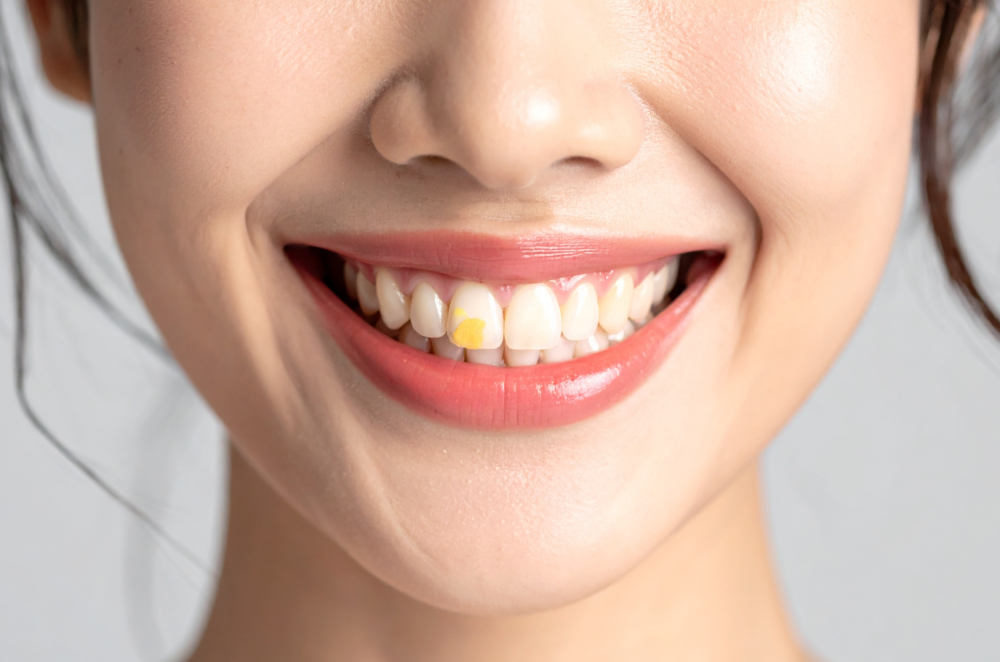
Fluoride Treatment
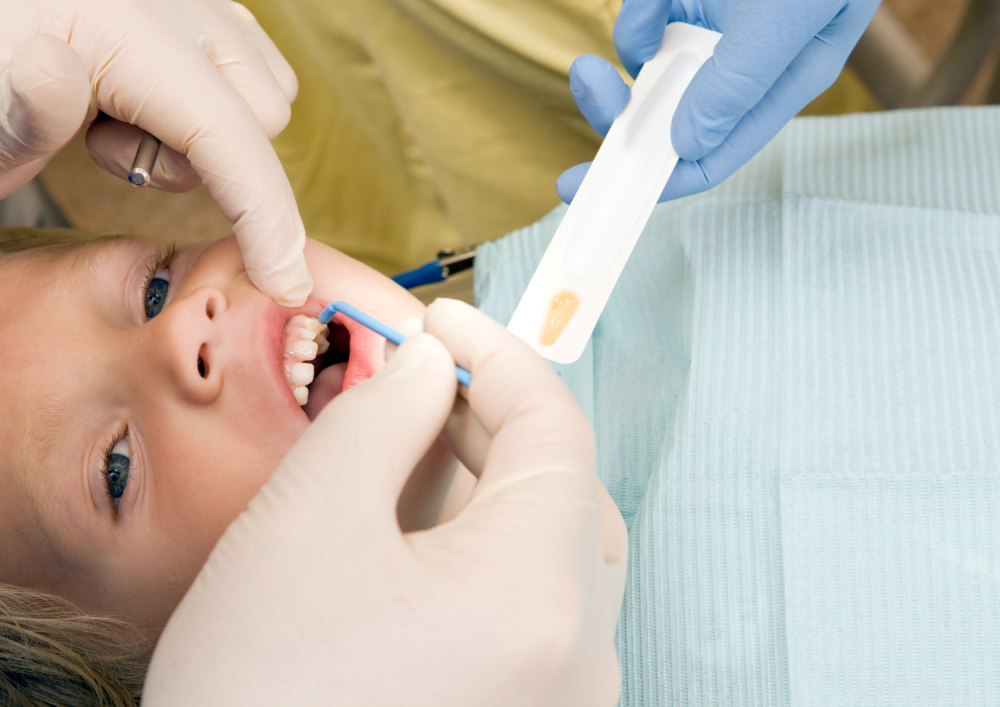
Fluoride treatment is one of the simplest yet most effective ways to protect your teeth from decay and strengthen enamel. It is suitable for both children and adults.
However, what you do after the treatment plays a crucial role in how effective it will be. If proper aftercare is not followed, fluoride may not fully adhere to the tooth surface—reducing its protective benefits.
Why Is Fluoride Treatment Important?
Fluoride treatment involves applying a high-concentration fluoride agent to the tooth surface to:
- Strengthen enamel
- Reduce mineral loss
- Inhibit bacteria that cause tooth decay
How Long Does Fluoride Protection Last?
Fluoride protection typically lasts 3–6 months, depending on:
- Diet and lifestyle
- Oral hygiene habits
- Individual risk of tooth decay
Who Should Get Fluoride Treatment?
Fluoride treatment is beneficial for all ages, but especially recommended for:
1. Children and Teenagers
During tooth development, enamel is more vulnerable to decay. Fluoride helps strengthen teeth early on.
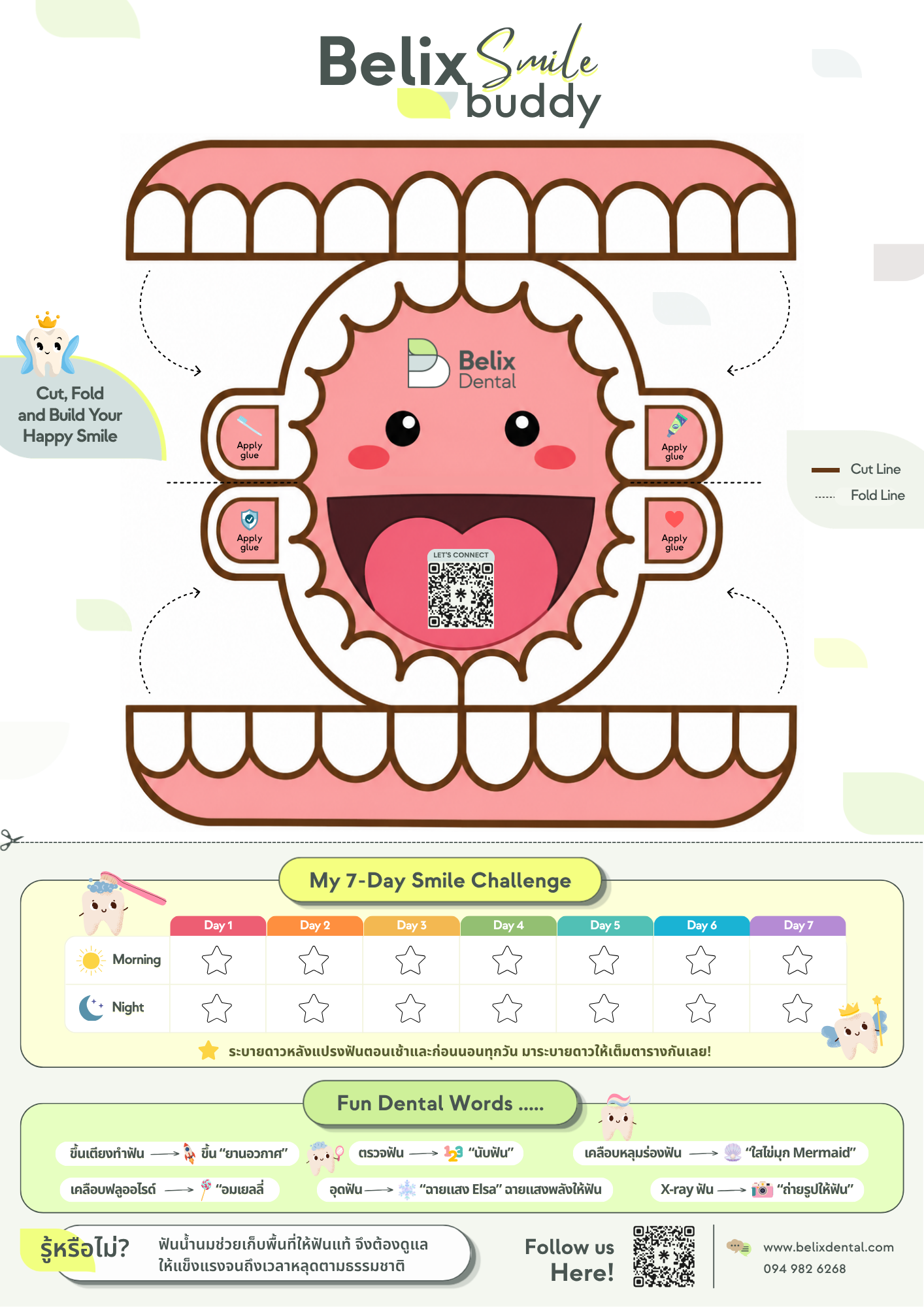
Free Download: Belix Smile Buddy
A fun dental care activity for kids, featuring a 7-Day Smile Challenge Cut, fold, build, and play while building healthy daily brushing habits.
2. High Caries Risk Patients
Such as those who:
- Frequently consume sugary foods or drinks
- Have dry mouth
- Have a history of multiple cavities
3. Orthodontic Patients
Braces or aligners make cleaning more difficult. Fluoride helps prevent:
- Decalcification
- White spot lesions
4. Patients with Tooth Sensitivity
Fluoride can help reduce sensitivity by strengthening enamel.
5. Older Adults
Especially those with:
- Gum recession
- Exposed root surfaces
- Reduced saliva flow
4 Things to Avoid After Fluoride Treatment
Proper aftercare ensures maximum effectiveness.
1. Avoid Eating Immediately
Wait at least 30–60 minutes before eating or drinking. This allows fluoride to fully bind to the enamel.
2. Avoid Brushing Immediately
Do not brush your teeth for 4–6 hours after treatment.Brushing too soon may remove the fluoride layer before it fully works.
3. Avoid Hard or Abrasive Foods (Short Term)
Especially right after treatment, avoid foods that may disturb the fluoride layer.
4. Avoid Rinsing Excessively
In some cases, rinsing immediately may reduce fluoride effectiveness. Follow your dentist’s instructions carefully.How to Care for Your Teeth After Fluoride Treatment
Fluoride is not a one-time solution—ongoing care is essential. Recommended Habits:
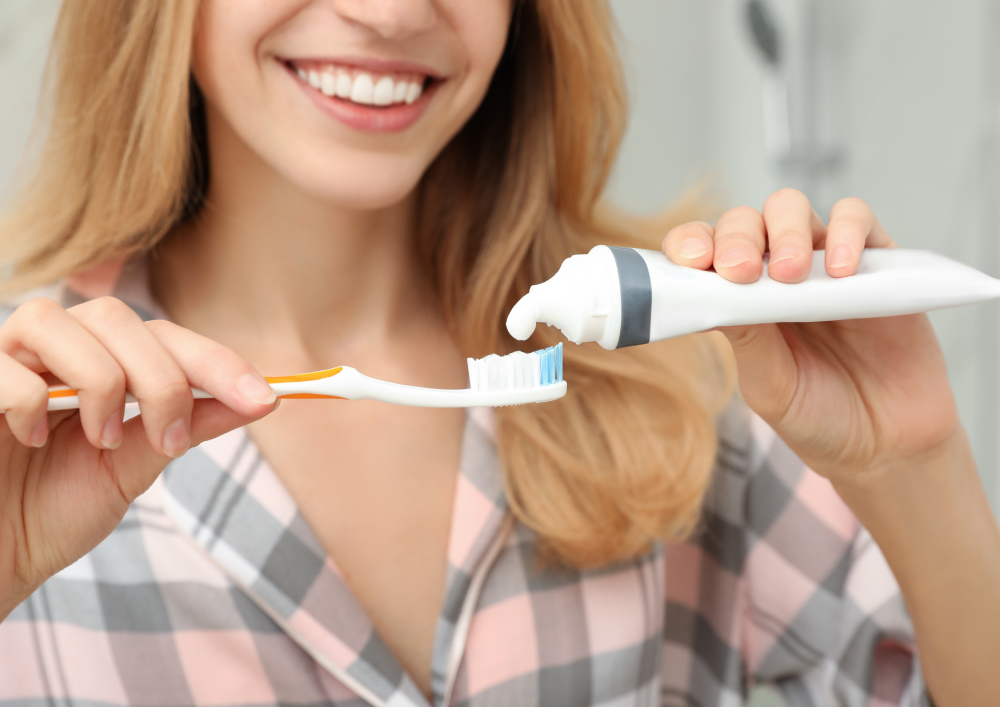
- Brushing your teeth properly twice a day
- Floss daily
- Use fluoride toothpaste
- Reduce sugar intake
- Visit your dentist regularly
FAQs: Fluoride Treatment
Q1: Is fluoride treatment safe for children?
ตอบ : Yes, when performed under professional supervision.
Q2: How often should I get fluoride treatment?
ตอบ : Typically every 3–6 months, depending on risk level.
Q3: Can I drink water after treatment?
ตอบ : Yes, but avoid acidic or colored drinks on the same day.
Q4: When can I eat after fluoride treatment?
ตอบ : After 30–60 minutes.
Q5: Can I brush my teeth after fluoride?
ตอบ : Yes, but wait 4–6 hours.
Q6: Does fluoride make teeth whiter?
ตอบ : No. It strengthens teeth but does not change tooth color.
Conclusion
Fluoride treatment is a simple yet highly effective preventive procedure. However, its success depends not only on the treatment itself—but also on proper aftercare. By following the right guidelines and maintaining consistent oral hygiene, fluoride can:
- Strengthen enamel
- Reduce decay risk
- Support long-term oral health
At Belix Dental, we provide personalized preventive care tailored to each patient—ensuring your teeth stay strong, healthy, and naturally beautiful.
Expert Insight by Dr. Pitchaya Vadhanakrai
For everyone, after brushing, allowing fluoride to remain on the tooth surface for at least 30 minutes without rinsing is key — the idea behind “dry brushing.”
This helps maximize fluoride absorption and enhances its protective effect against tooth decay.
Book Your Consultation
If you’re looking to protect your teeth from decay or care for your child’s oral health, our team at Belix Dental (Langsuan–Ruamrudee, near BTS Ploenchit) is here to help.We provide personalized preventive care, including fluoride treatment tailored to each age and risk level.
with our specialists
Medical content reviewed by
Dr. Pitchaya Vadhanakrai
Orthodontist, Invisalign Platinum Provider, and Founder of Belix Dental