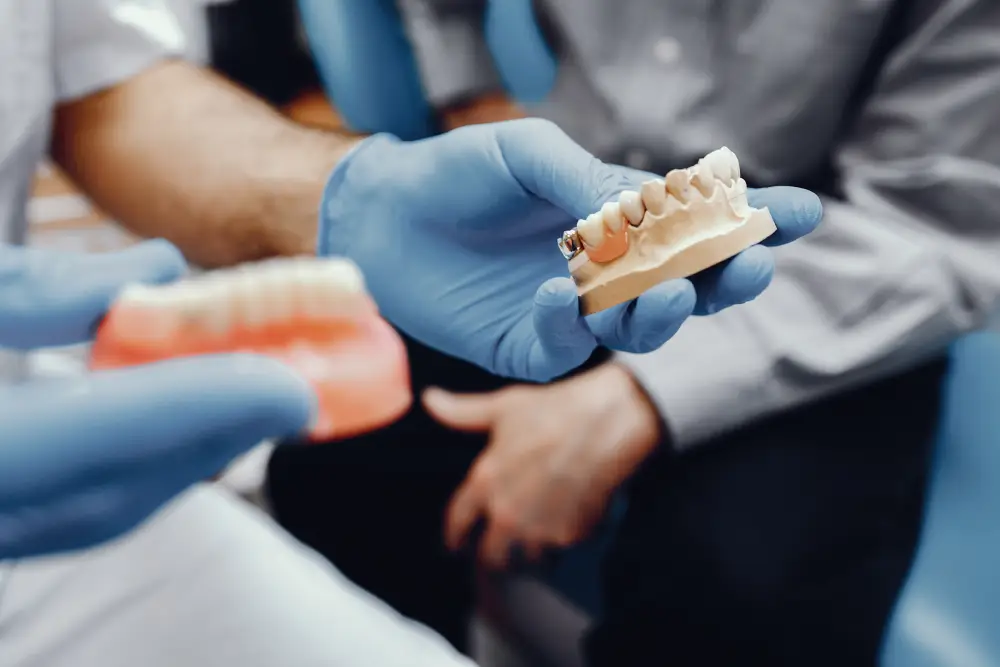
Gingivitis
Swollen or bleeding gums are among the most common oral health concerns across all age groups.
Many people assume that mild gum swelling or bleeding during brushing is normal and will resolve on its own. In reality, these symptoms are often early warning signs of gingivitis, which can progress if left untreated.
Recognizing these signs early allows for timely care and helps prevent more advanced gum disease.
What Is Gingivitis?
Gingivitis is inflammation of the gum tissue, typically characterized by swelling, redness, and bleeding—especially during brushing or flossing.
If untreated, gingivitis can progress to periodontal disease, a more advanced condition that may lead to gum recession, bone loss, and eventually tooth loss.
Common Signs of Gingivitis
1. Swollen, Red Gums
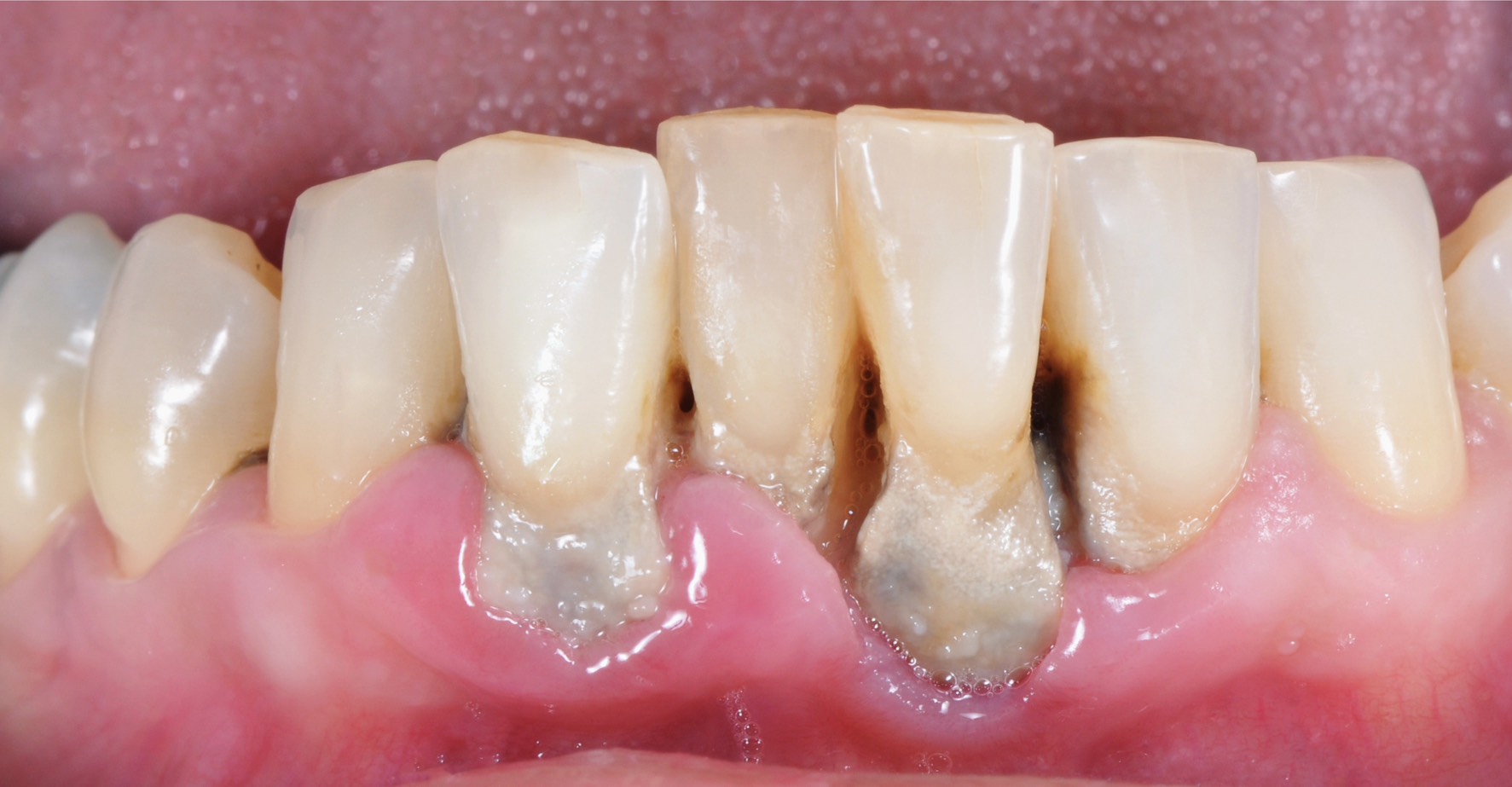
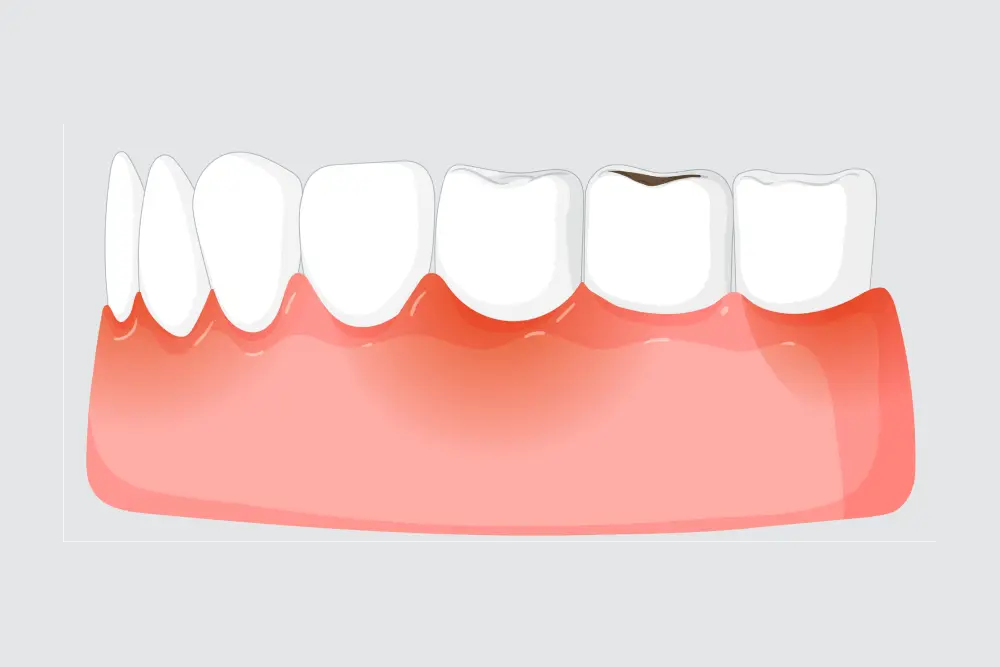
Healthy gums are pale pink and firm. Inflamed gums appear darker, swollen, or puffy—especially along the gumline.
2. Bleeding During Brushing or Flossing
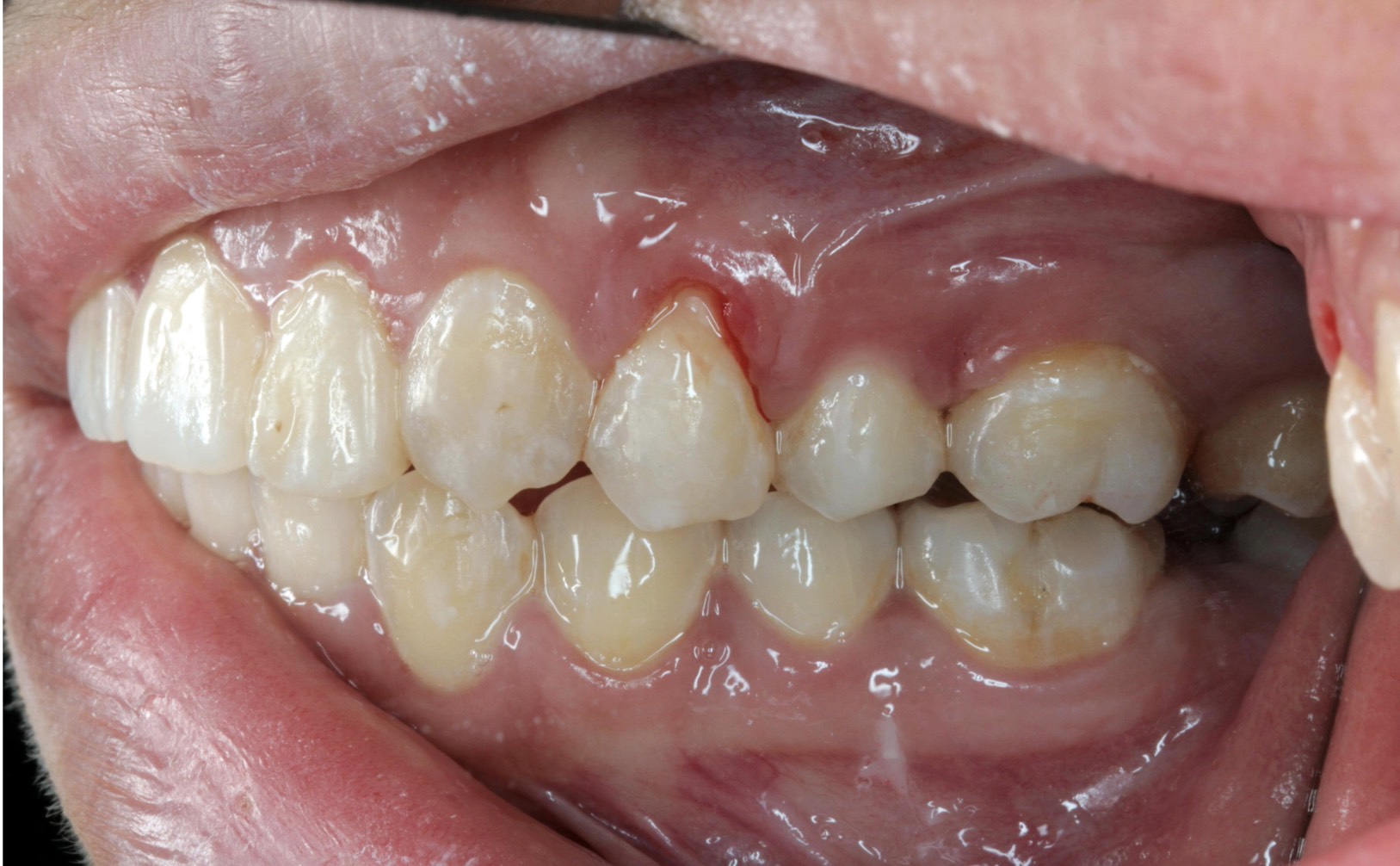
Bleeding is not normal. Even light brushing should not cause bleeding in healthy gums.
3. Persistent Bad Breath
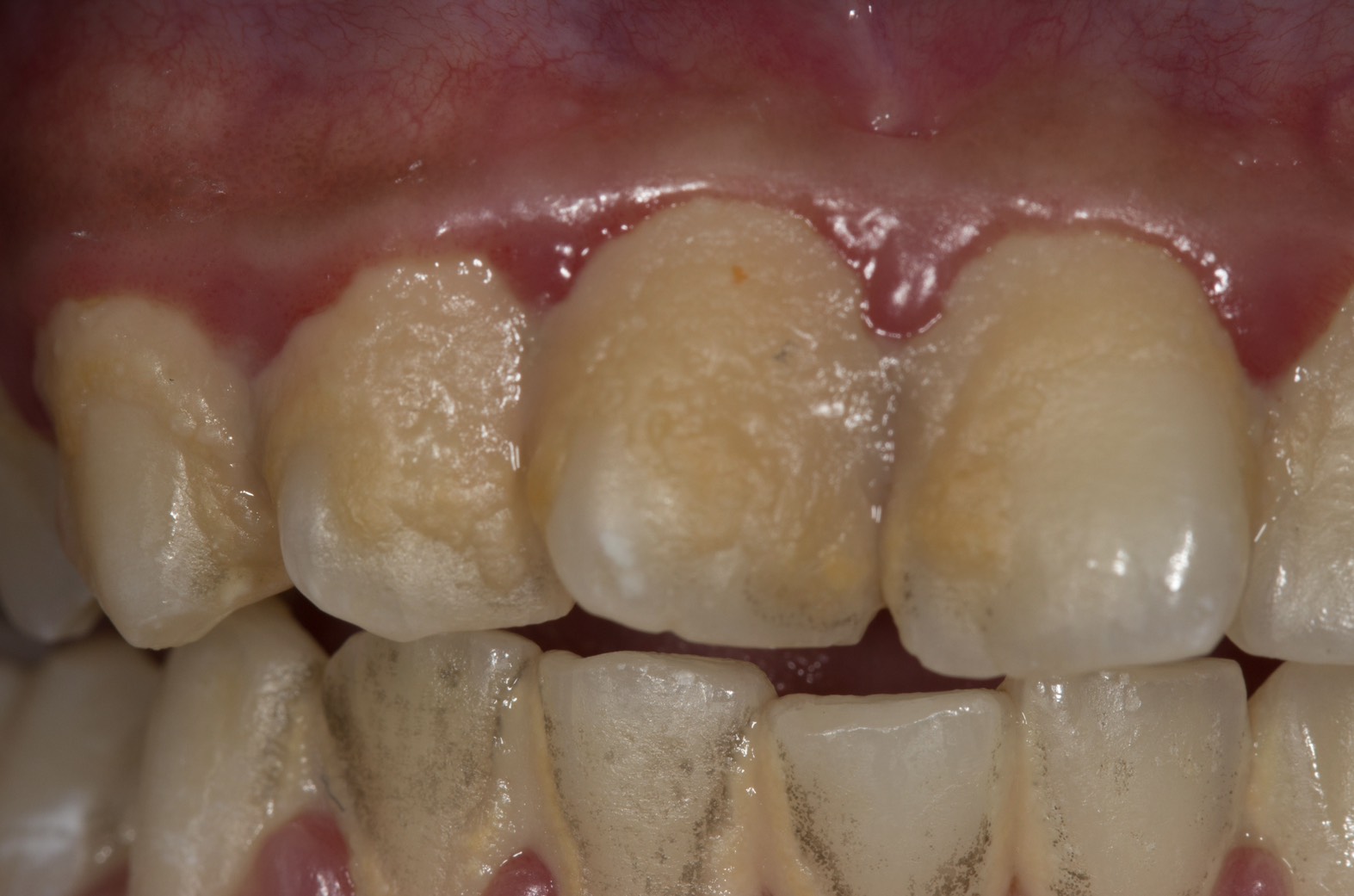
Bacteria accumulated along the gumline can produce unpleasant odors that do not resolve with brushing alone.
4. Gum Recession and Tooth Sensitivity
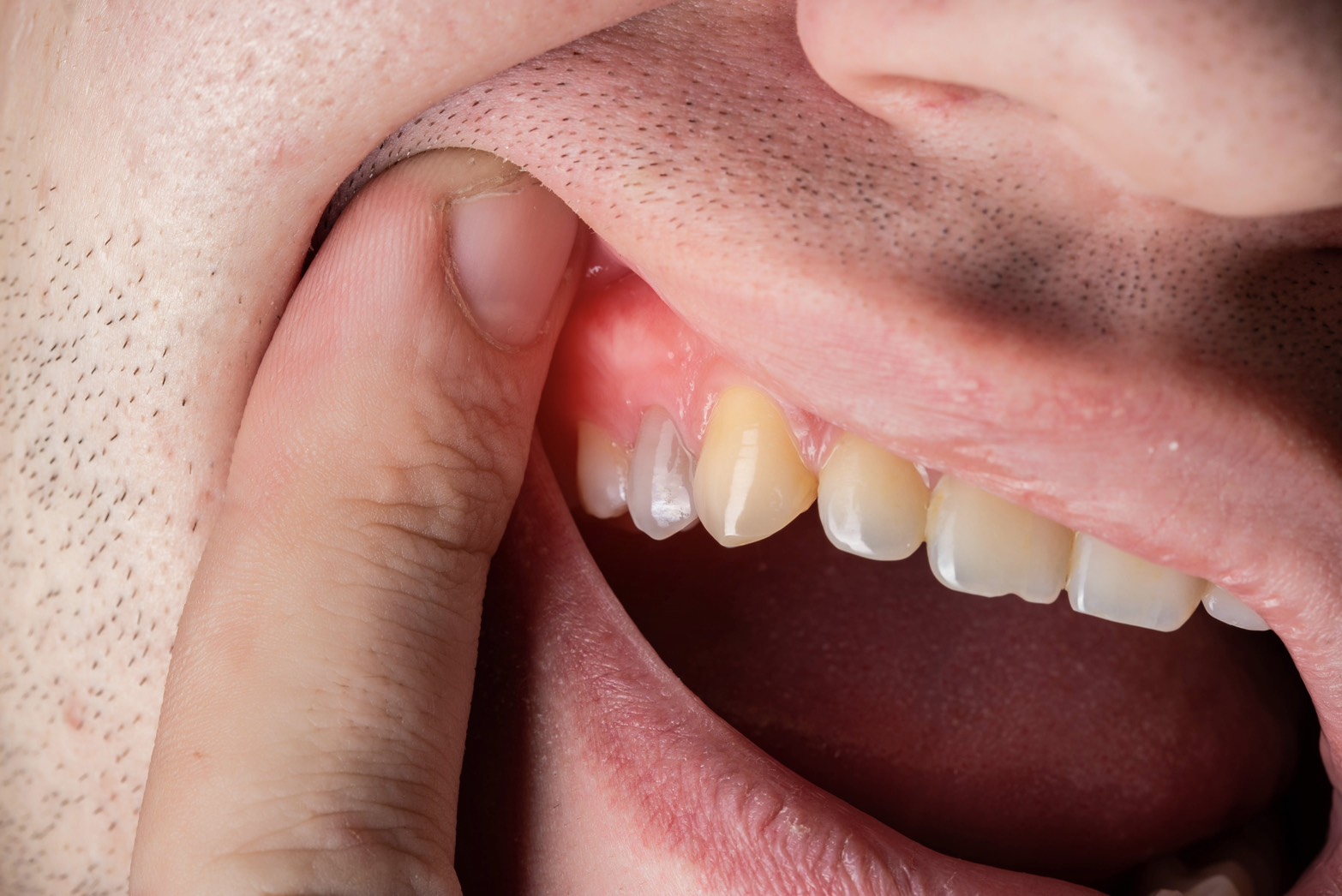
Chronic inflammation may cause gums to recede, exposing the root surface and leading to sensitivity.
5. Gum Discomfort or Tenderness
Although early gingivitis is often painless, some patients may experience mild discomfort or irritation.
What Causes Gingivitis?
- Plaque and Tartar Buildup (Primary Cause) Inadequate cleaning allows plaque to accumulate and harden into tartar, triggering inflammation.
- Poor Oral Hygiene Habits Inconsistent brushing, aggressive brushing, or neglecting flossing contribute to gum irritation.
- Hormonal Changes Common during pregnancy, adolescence, or menstrual cycles—making gums more sensitive to plaque.
- Systemic Conditions and Medications Conditions such as diabetes or medications that reduce saliva can increase risk.
- Smoking Reduces blood flow to the gums, impairing healing and increasing susceptibility to inflammation.
When Is It Serious?
Seek dental care if you notice:
- Persistent swelling or worsening pain
- Bleeding without brushing
- Pus or throbbing pain
- Loose teeth or teeth appearing longer
How Is Gingivitis Treated?
Treatment depends on severity but generally includes:
- Professional Cleaning (Scaling) Removes plaque and tartar—the root cause of inflammation.
- Improved Oral Hygiene
- Proper brushing technique
- Daily flossing
- Tongue cleaning
- Antibacterial Support Mouthwash or topical agents may be recommended in certain cases.
- Managing Contributing Factors Such as controlling systemic conditions or quitting smoking.
How to Prevent Gingivitis
1. Brush Properly
Use a soft-bristled toothbrush and gentle technique (45° angle to gumline).
2. Floss Daily
Removes plaque from areas your toothbrush cannot reach.
3. Reduce Sugar Intake
Limits bacterial growth and inflammation.
4. Avoid Smoking
Improves gum health and healing response.
5. Regular Dental Visits
Check-ups and professional cleaning every 6 months.
FAQs: Gingivitis
Q1: Can gingivitis heal on its own?
It may improve with better hygiene, but professional care is recommended.
Q2: Does scaling immediately fix swollen gums?
It may improve with better hygiene, but professional care is recommended.
Q3: If it doesn’t hurt, is it serious?
It may improve with better hygiene, but professional care is recommended.
Q4: Does gingivitis cause bad breath?
It may improve with better hygiene, but professional care is recommended.
Q5: How often should gums be checked?
At least every 6 months, or more frequently if you have gum disease history.
Conclusion
Gingivitis is a common but often underestimated condition.
Early symptoms such as bleeding or swelling should not be ignored, as they may lead to more serious gum disease if untreated.
With proper oral hygiene, regular dental visits, and early intervention, gum health can be restored and maintained long-term.
Expert Insight by Dr. Pitchaya Vadhanakrai
During a gum health evaluation, dentists often use a periodontal probe to measure the depth of the gum pockets.
Healthy gums typically have shallow pockets, are firm, pale pink, and do not bleed easily. A pocket depth of around 4 mm or more may indicate early signs of gum disease and requires proper evaluation.
The gumline is also a critical area where plaque accumulates easily. Proper brushing at a 45° angle combined with correct flossing technique allows effective cleaning beneath the gum margin—helping maintain long-term gum health.
Book Your Consultation
If you are experiencing swollen gums, bleeding during brushing, or signs of gum inflammation, our team at Belix Dental is here to help.We provide comprehensive gum evaluation and personalized treatment planning to prevent progression to periodontal disease and protect your long-term oral health.
with our specialists
Medical content reviewed by
Dr. Pitchaya Vadhanakrai
Orthodontist, Invisalign Platinum Provider, and Founder of Belix Dental