Invisalign Clear Aligners
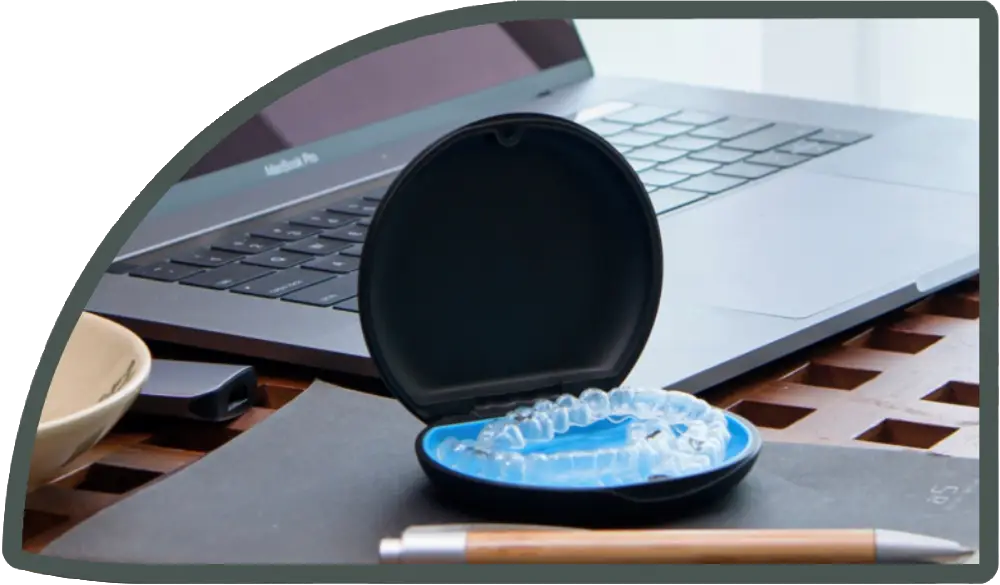
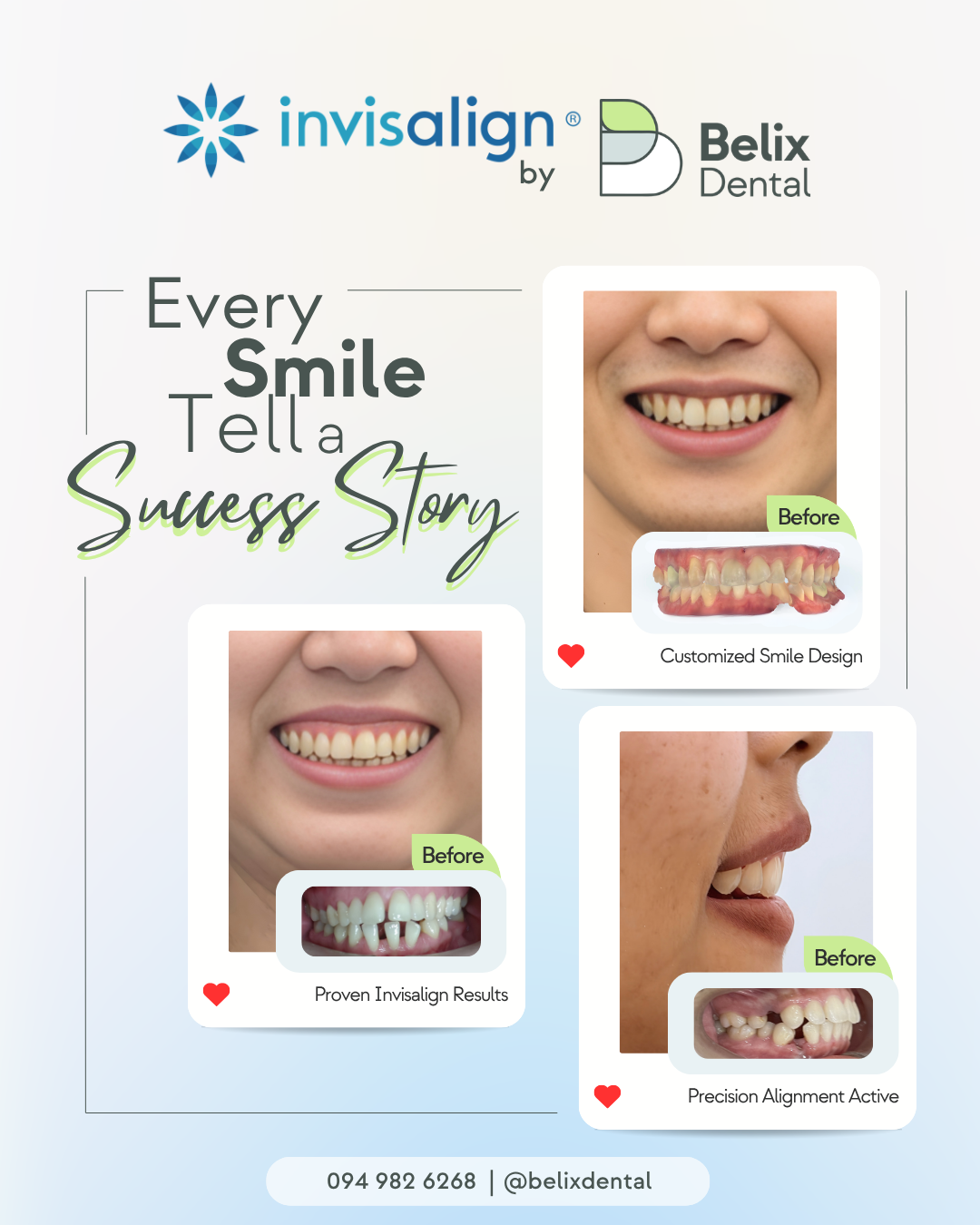
Misaligned teeth, crowding, or bite issues are more than just aesthetic concerns—they can affect oral health, hygiene, and confidence. Invisalign clear aligners offer a modern, discreet solution designed to align teeth while maintaining a natural appearance throughout treatment.
What Is Invisalign?
Invisalign is a clear aligner system that gradually moves teeth into their ideal position using a series of custom-made, removable trays. Each aligner is precisely designed based on a digital treatment plan, allowing controlled and predictable tooth movement—without metal brackets or wires. Patients typically wear each aligner for 1–2 weeks, for at least 20–22 hours per day, before progressing to the next set.

How Does Invisalign Work?
The system works through controlled, staged force:
- Each aligner applies gentle pressure to specific teeth
- Teeth move incrementally (≈0.1–0.25 mm per aligner)
- Movement is pre-planned using AI-assisted software (ClinCheck)
- Multiple teeth can move simultaneously (multi-tooth movement)
This allows for both precision and efficiency, especially in well-planned cases.
Who Is Invisalign Suitable For?
Invisalign is versatile and suitable for a wide range of patients:
- Mild to complex crowding
- Spacing (gaps between teeth)
- Bite issues (open bite, deep bite, crossbite)
- Adults seeking a discreet orthodontic solution
- Teens and children (e.g., Invisalign First)
However, very complex cases may still require alternative or combined orthodontic approaches.
Benefits of Invisalign
- Nearly invisible → enhances confidence during treatment
- Removable → eat, brush, and floss normally
- More comfortable → no wires or sharp edges
- Fewer clinic visits compared to traditional braces
- Digitally planned → predictable outcomes
Limitations to Consider
- Requires strong compliance (20–22 hrs/day)
- Higher cost than traditional braces
- May need refinement (Additional Aligners)
- Not ideal for all extreme skeletal cases
Invisalign vs Traditional Braces
| Feature | Invisalign | Metal Braces |
|---|---|---|
| Visibility | Nearly invisible | Visible |
| Comfort | Smooth plastic | Brackets & wires |
| Removability | Yes | No |
| Hygiene | Easy | More difficult |
| Clinic visits | Less frequent | Monthly adjustments |
How Long Does Invisalign Take?
Treatment duration varies depending on complexity:
- Mild cases: ~3–6 months
- Moderate cases: ~6–12 months
- Complex cases: ~12–24 months
Consistency in wearing aligners is the key factor affecting treatment time.
Does Invisalign Hurt?
Most patients experience only mild discomfort:
- Tightness during first 2–3 days of a new aligner
- Sign that teeth are moving as planned
- Typically subsides quickly
Does Invisalign Change Your Face?
Invisalign can improve facial balance indirectly by aligning teeth and optimizing bite. Changes are usually subtle but can enhance:
- Smile width (broader smile)
- Lip support
- Overall facial harmony
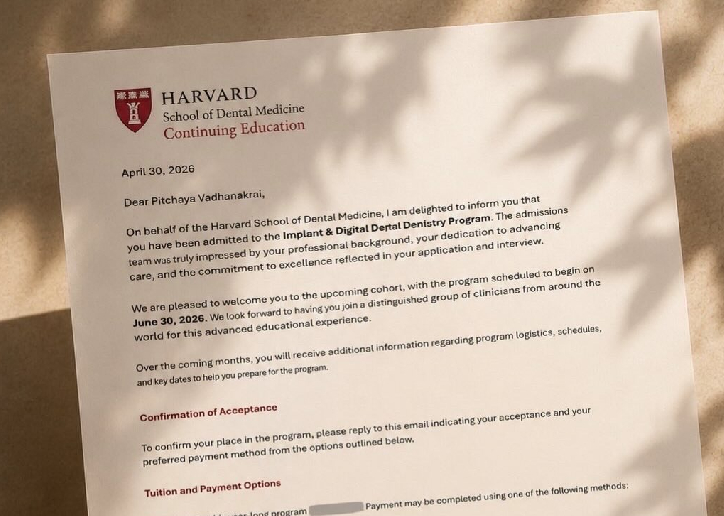
Expert Insight by Dr. Pitchaya Vadhanakrai
Orthodontic treatment has only two true purposes: aesthetics or function. If there is no real concern—either in appearance or bite—treatment may not be necessary at all. The appliance itself is simply a tool. Whether it’s clear aligners or braces, the choice depends on your lifestyle, comfort, and budget—but the end goal remains the same: a well-balanced bite and a natural, confident smile. What truly determines success is not the appliance—it is your consistency and cooperation throughout the journey.
with our specialists
Medical content reviewed by
Dr. Pitchaya Vadhanakrai
Orthodontist, Invisalign Platinum Provider, and Founder of Belix Dental