What Is a Dental Crown?
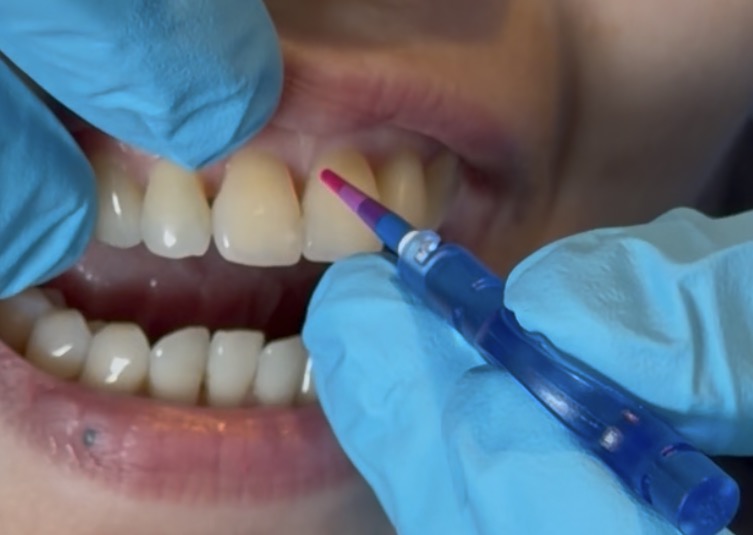
A dental crown is a custom-made restoration that fully covers a damaged tooth to restore its strength, function, and appearance.
It is commonly recommended for:
- Severely decayed teeth
- Cracked or fractured teeth
- Teeth after root canal treatment
- Worn-down teeth
- Teeth with large fillings that can no longer be restored
Beyond protection, dental crowns also play an important role in aesthetics—especially for front teeth, where restoring a natural-looking smile can significantly improve confidence.
Types of Dental Crowns: Choosing the Right Material
Dental crowns come in different materials, each offering a unique balance of strength, aesthetics, and cost.
1. Full Metal Crown

- Exceptional strength and durability
- Long lifespan
- Ideal for back teeth (molars)
- Not suitable for visible areas due to metallic color
Best for patients prioritizing durability over aesthetics
2. Porcelain-Fused-to-Metal (PFM) Crown
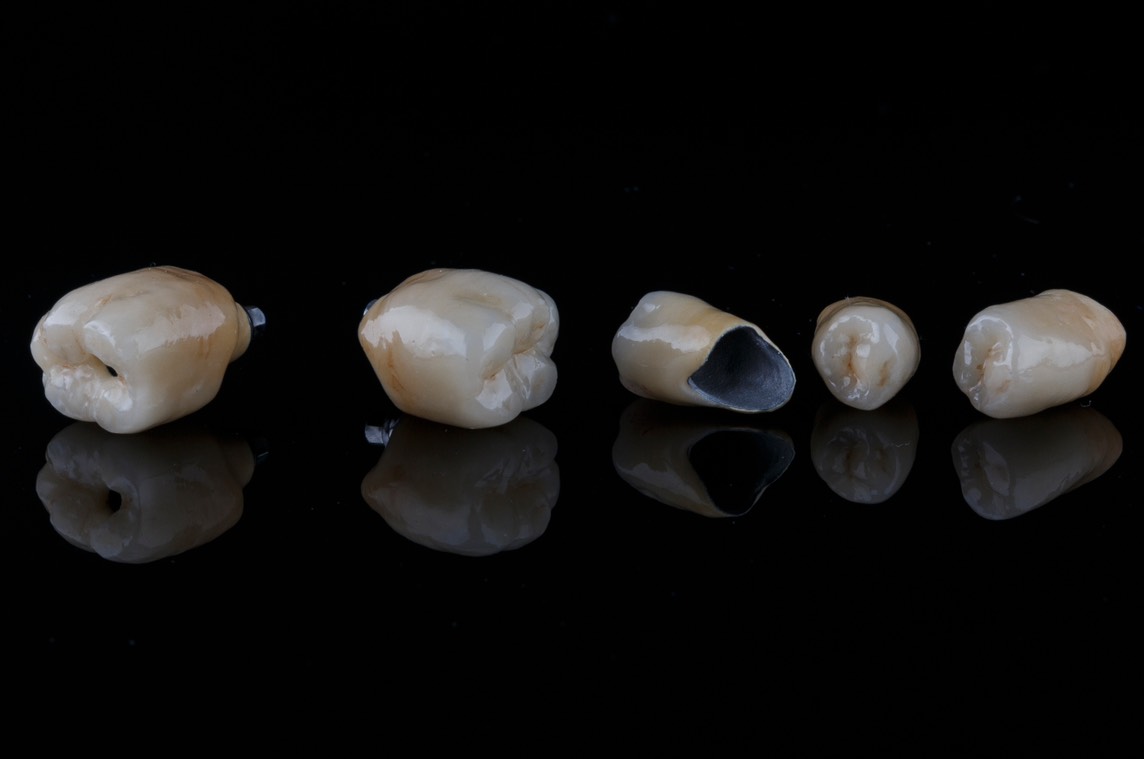
- Strong metal core with porcelain exterior
- Natural tooth-like appearance
- Suitable for both front and back teeth
- May show a dark margin over time
A balanced option between strength, aesthetics, and cost
3. All-Ceramic Crown (Zirconia / E.max)
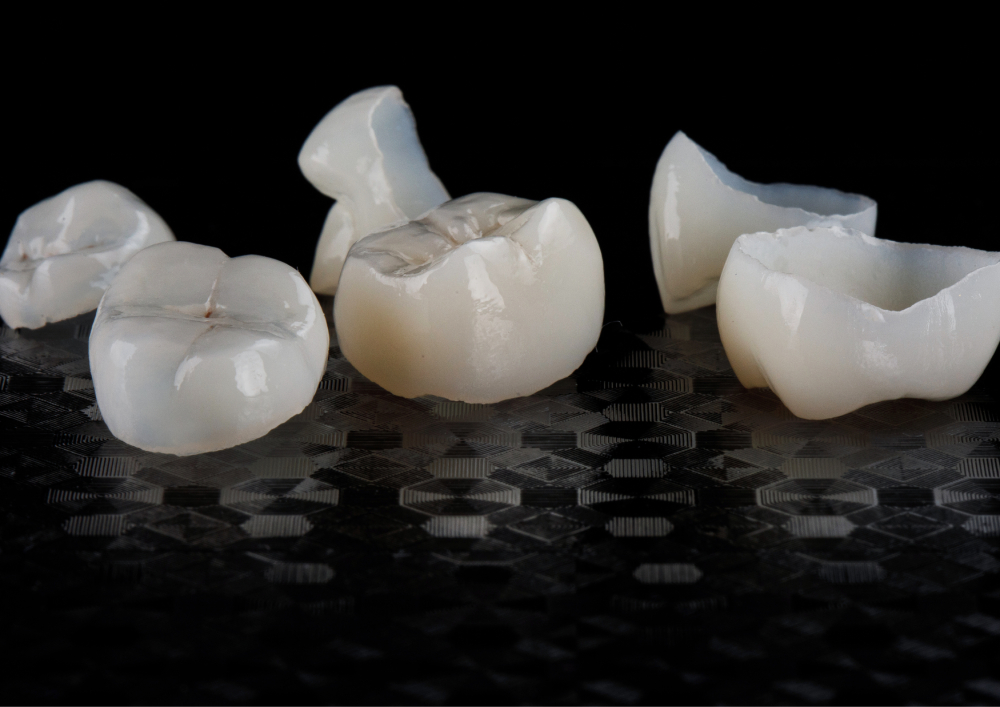
- Superior aesthetics with natural translucency
- Metal-free and biocompatible
- E.max: ideal for front teeth (high aesthetics)
- Zirconia: highly durable, suitable for both front and back teeth
Ideal for Signature Smile Design cases requiring premium aesthetics
Dental Crown Materials Comparison
The following table:
| Material | Strength | Aesthetics | Best For | Estimated Cost |
|---|---|---|---|---|
| Full Metal | Very high | Low | Molars | $250–$600 |
| PFM | High | Moderate | Front & back teeth | $300–$750 |
| All-Ceramic | High (Zirconia very high) | Excellent | Front teeth & selected molars | $450–$1,000 |
Note: Prices may vary depending on clinical complexity and materials used.
Which Tooth Should Get a Crown?
Back Teeth (Molars)
- Require high strength due to chewing forces
- Recommended: Zirconia or Metal Crowns
Front Teeth (Anterior Teeth)
- Require natural color and translucency
- Recommended: E.max or aesthetic Zirconia
Does Getting a Crown Hurt?
The procedure is generally not painful, as local anesthesia is used.
During treatment
- You may feel slight vibration, but no pain
After treatment
- Mild sensitivity for 1–2 days
- Persistent pain should be evaluated by your dentist
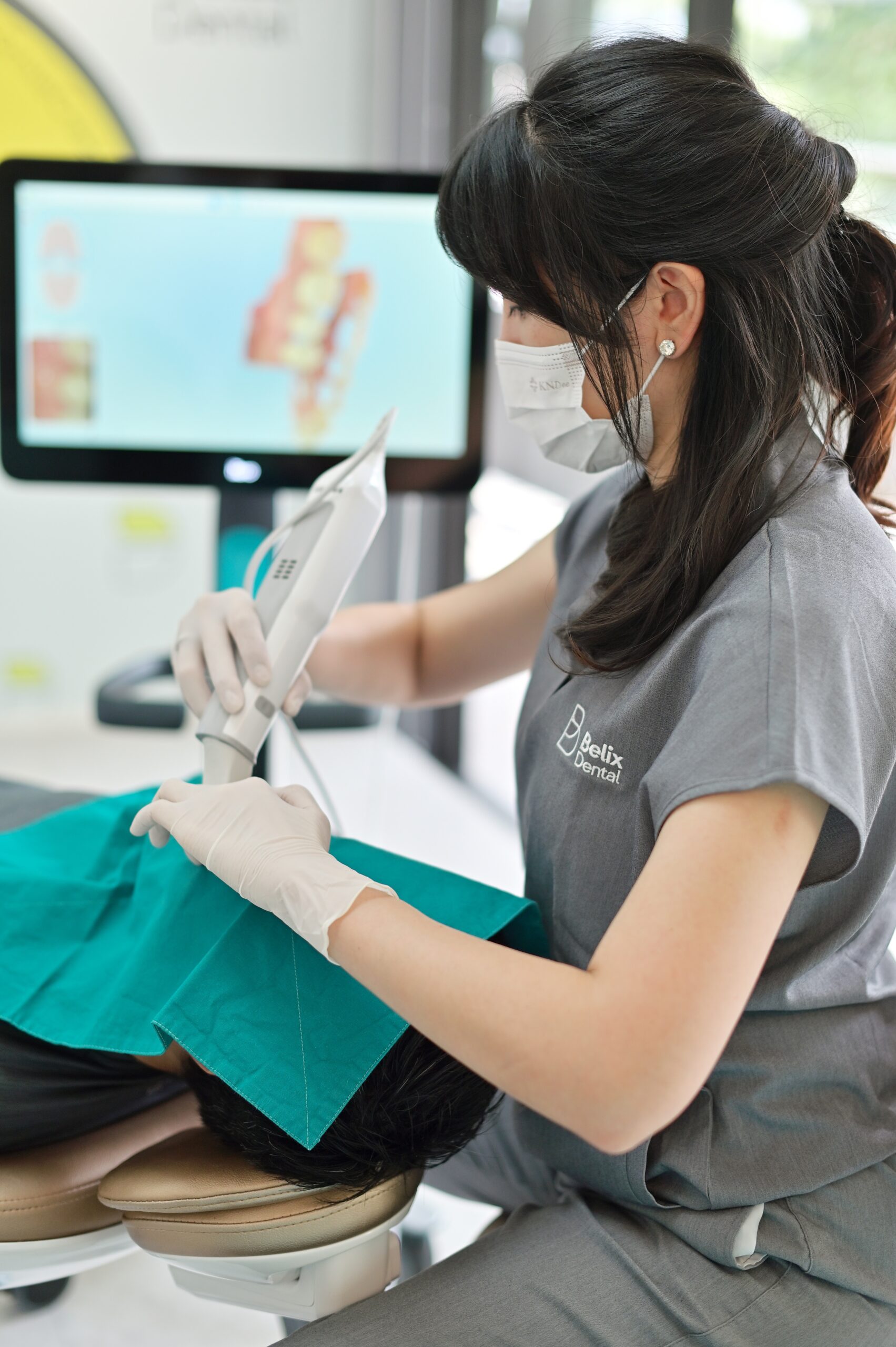
Dental Crown Procedure: Step-by-Step
- Diagnosis and tooth preparation
- Digital scan (or traditional impression)
- Temporary crown placement
- Final crown cementation
⏱ Typically completed in 2 visits within 1–2 weeks
⏱ Faster with full digital workflow in selected cases
How Long Do Dental Crowns Last?
On average, dental crowns last 8–15 years or longer, depending on:
- Material selection
- Precision of marginal fit
- Oral hygiene
- Lifestyle habits (e.g., teeth grinding)
How to Make Your Crown Last Longer
- Maintain good oral hygiene (brushing + flossing)
- Regular dental check-ups (every 6 months)
- Wear a night guard if you grind your teeth
- Avoid hard or sticky foods
- Ensure precise marginal fit to prevent leakage
FAQs: Dental Crown
Q1: How long does the procedure take?
Usually 2 visits within 1–2 weeks.
Q2: What’s the difference between Zirconia and E.max?
- E.max → best aesthetics (front teeth)
- Zirconia → highest strength (back teeth)
Q3: Can I choose filling instead of a crown?
It depends on how much tooth structure remains:
- Minor damage → Filling
- Moderate → Inlay/Onlay
- Severe → Crown (most durable solution)
Summary: Is a Dental Crown Right for You?
A dental crown restores a damaged tooth to be strong, functional, and natural-looking again. However, the key to long-term success is not just the material— but how precisely the crown is designed to fit your bite and tooth structure.
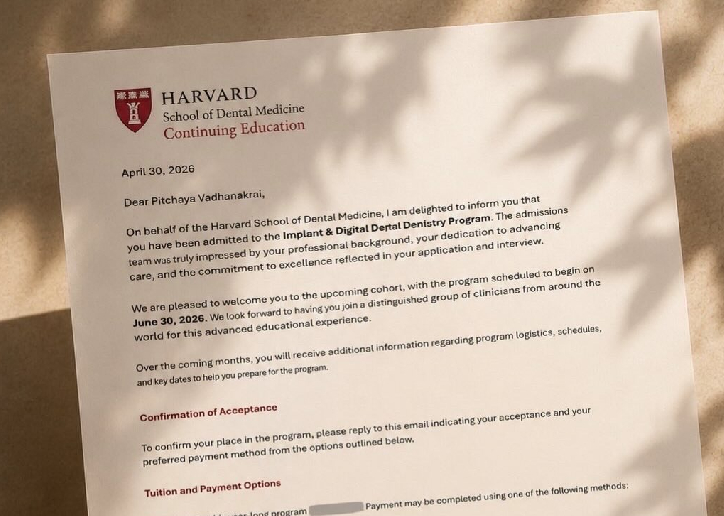
Expert Insight by Dr. Pitchaya Vadhanakrai
“In dental crowns, the most critical factor is not just the material—but the precision of the marginal fit. If the margin is not perfectly sealed, it can lead to microleakage and recurrent decay beneath the crown. With modern digital workflows, including intraoral scanning and CAD/CAM technology, ceramic crowns today can achieve highly precise margins—resulting in both long-term durability and natural aesthetics.”
Book Your Consultation
If you are considering a dental crown, Belix Dental (Langsuan–Ruamrudee, near BTS Ploenchit) offers advanced 3D digital scanning technology—eliminating the need for traditional impressions. With both 3Shape and iTero systems, we ensure exceptional precision at every step, supported by a fully integrated digital workflow for crown design and fabrication.
This allows for:
- More accurate marginal fit
- Enhanced comfort during the procedure
- Predictable, long-lasting results
with our specialists
Medical content reviewed by
Dr. Pitchaya Vadhanakrai
Orthodontist, Invisalign Platinum Provider, and Founder of Belix Dental