
Retainers
The smile you worked so hard for—and the 3–4 years spent on orthodontic treatment—should not be lost simply by neglecting your retainer.
After braces are removed, teeth are not immediately stable. The surrounding bone and periodontal ligaments need time to adapt and “remember” their new positions. Without a retainer, teeth can gradually shift back.
Many patients are unsure how long they should wear their retainer, and some stop wearing it too soon due to discomfort, inconvenience, or simply forgetting—especially when dining out.
This guide will answer all your questions about retainers, including types, pros and cons, duration of wear, and proper care to maintain your results long-term.
What Is a Retainer?
A retainer is a custom-made appliance worn after orthodontic treatment to maintain the alignment of teeth. It helps prevent relapse, crowding, or shifting back to the original position.
Without proper retainer use, teeth can move—even after years of orthodontic treatment.
Types of Retainers
There are two main types of retainers:
1. Clear Retainer

Transparent, custom-molded plastic that covers the entire tooth surface.
Clear retainers have the following advantages and limitations:
Advantages:
- Nearly invisible, aesthetic
- Comfortable, no metal components
Limitations:
- Less durable (typically 6 months–2 years)
- May loosen over time and require replacement
- Can trap saliva initially, affecting speech
- Higher cost for premium materials
2. Hawley (Wire) Retainer
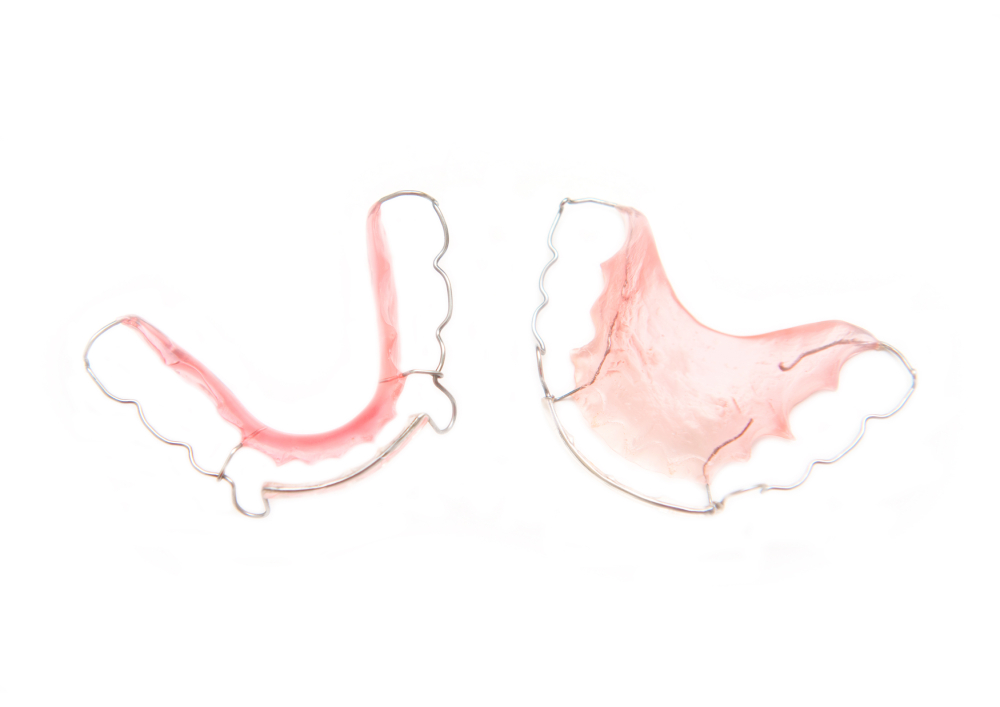
Acrylic base with a metal wire across the front teeth.
Hawley (Wire) Retainer have the following advantages and limitations:
Advantages:
- More durable (approximately 5–10 years)
- They are quite comfortable to wear and do not cause saliva buildup.
- Adjustable by a dentist
- More cost-effective
Limitations:
- Visible wire
- May cause mild irritation initially
- Requires periodic adjustment
Do You Need to Wear a Retainer for Life?
Not necessarily full-time—but long-term use is essential.
Phase 1: Stabilization (First 12–48 Months)
Teeth are still settling. Retainers are typically worn full-time, except during meals and brushing.
Phase 2: Long-Term Maintenance
Once stable, wear time can be reduced (e.g., nighttime only or short daily periods).
Teeth can shift throughout life, so consistent retainer use helps maintain results long-term.
What Happens If You Stop Wearing Your Retainer?
- Teeth may gradually shift back
- Crowding may return (especially lower front teeth)
- Bite may change, affecting chewing
- In severe cases, retreatment may be required
Wearing your retainer consistently is the simplest way to protect your smile.
6 Essential Tips for Retainer Care
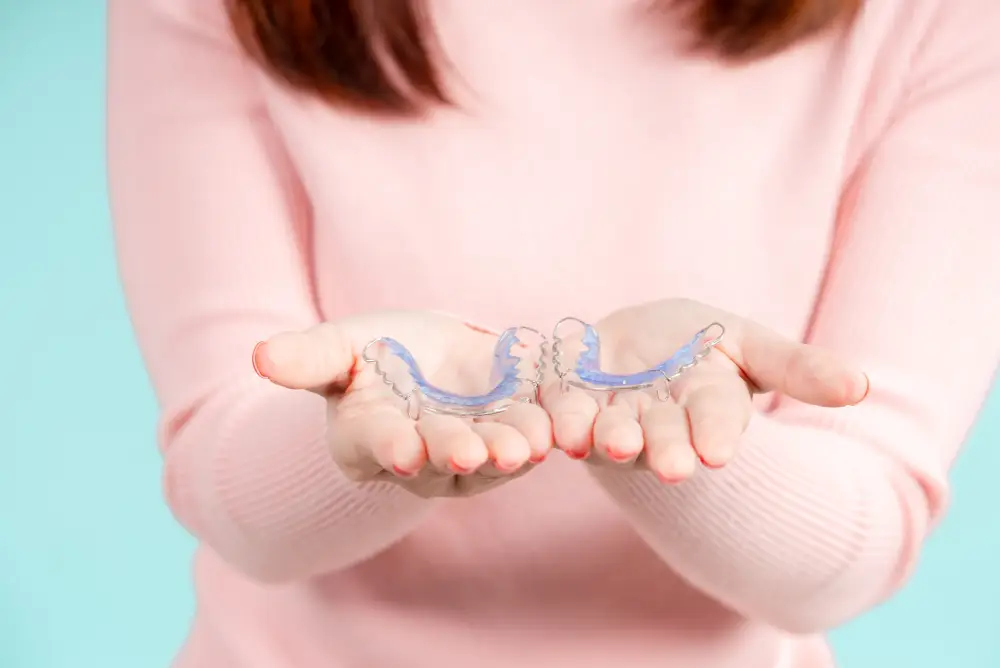
1. Clean After Every Use
Use a soft brush with mild soap or a retainer cleaner. Rinse thoroughly.
2. Store in a Case
Always keep your retainer in a ventilated case when not in use.
3. Remove Before Eating
Avoid food buildup, odor, and damage.
4. Avoid Hot Water and Harsh Chemicals
Heat can warp the retainer. Avoid alcohol or abrasive toothpaste.
5. Use Specialized Cleaning Products Occasionally
Follow your dentist’s recommendation—do not overuse.
6. Regular Dental Check-ups
Ensure proper fit and condition. Replace or adjust if needed.
4 Common Mistakes to Avoid
- Forgetting to wear your retainer regularly
- Wearing it inconsistently
- Delaying replacement if lost or broken
- Poor hygiene leading to bacterial buildup
FAQs: Retainers
Q1: If I skip wearing my retainer for 1–2 days, will my teeth shift?
ตอบ : You may feel tightness when wearing it again. Occasional lapses may not cause immediate relapse, but inconsistency increases risk over time.
Q2: Which is better—clear or wire retainers?
ตอบ : Neither is universally better. The choice depends on your needs and your dentist’s recommendation.
Q3: Can I buy a replacement retainer online?
ตอบ : No. Retainers must be custom-made by a dentist to ensure proper fit and function.
Q4: What should I do if my retainer feels too tight or painful?
ตอบ : Do not force it. Consult your dentist for adjustment.
Q5: Why do clear retainers vary in price?
ตอบ : Material quality differs significantly. Premium options (e.g., multi-layer materials like Essix or Vivera) offer better durability, flexibility, and comfort compared to basic plastic retainers.
Conclusion
Retainers are a crucial part of orthodontic treatment—yet often overlooked. While skipping them may not seem serious, it can lead to unnecessary time, cost, and retreatment.
By choosing the right type of retainer, wearing it consistently, and maintaining proper care, you can preserve your smile for the long term.
At Belix Dental Clinic, we provide ongoing post-orthodontic care, helping you maintain your results with personalized guidance on retainer use and care.
Expert Insight by Dr. Pitchaya Vadhanakrai
Maintaining your smile is similar to maintaining your health or fitness. You don’t need to do it all day—but consistency matters.
Wearing your retainer for even a short time each day—such as during sleep or 10–15 minutes daily—helps maintain alignment over the long term.
Retainers are a form of lifelong maintenance—not full-time, but consistent care to preserve your results.
Book Your Consultation
If you have concerns about your retainer or post-orthodontic care, our team at Belix Dental (Langsuan–Ruamrudee, near BTS Ploenchit) is here to help.with our specialists
Medical content reviewed by
Dr. Pitchaya Vadhanakrai
Orthodontist, Invisalign Platinum Provider, and Founder of Belix Dental


