Root Canal vs Dental Implant: Which One Should You Choose?
When facing severe tooth decay, cracks, infection, or even tooth loss, many patients wonder: Should I save the tooth with a root canal—or replace it with a dental implant? Both options are highly effective, but the right choice depends on the condition of the tooth, surrounding bone, and long-term goals.
What Is Root Canal Treatment?
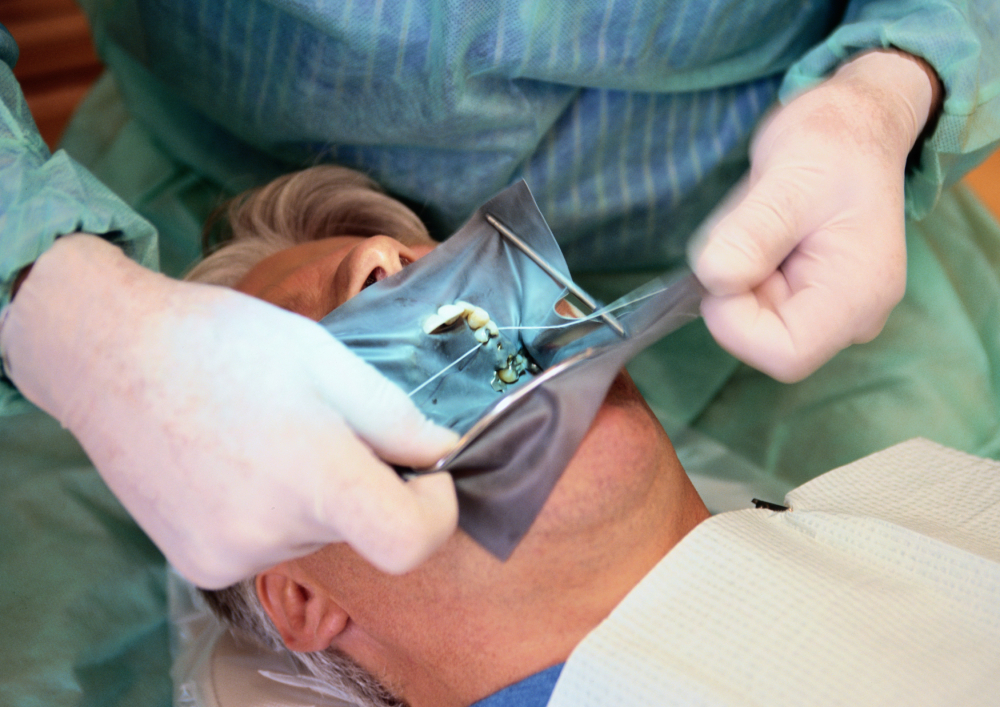
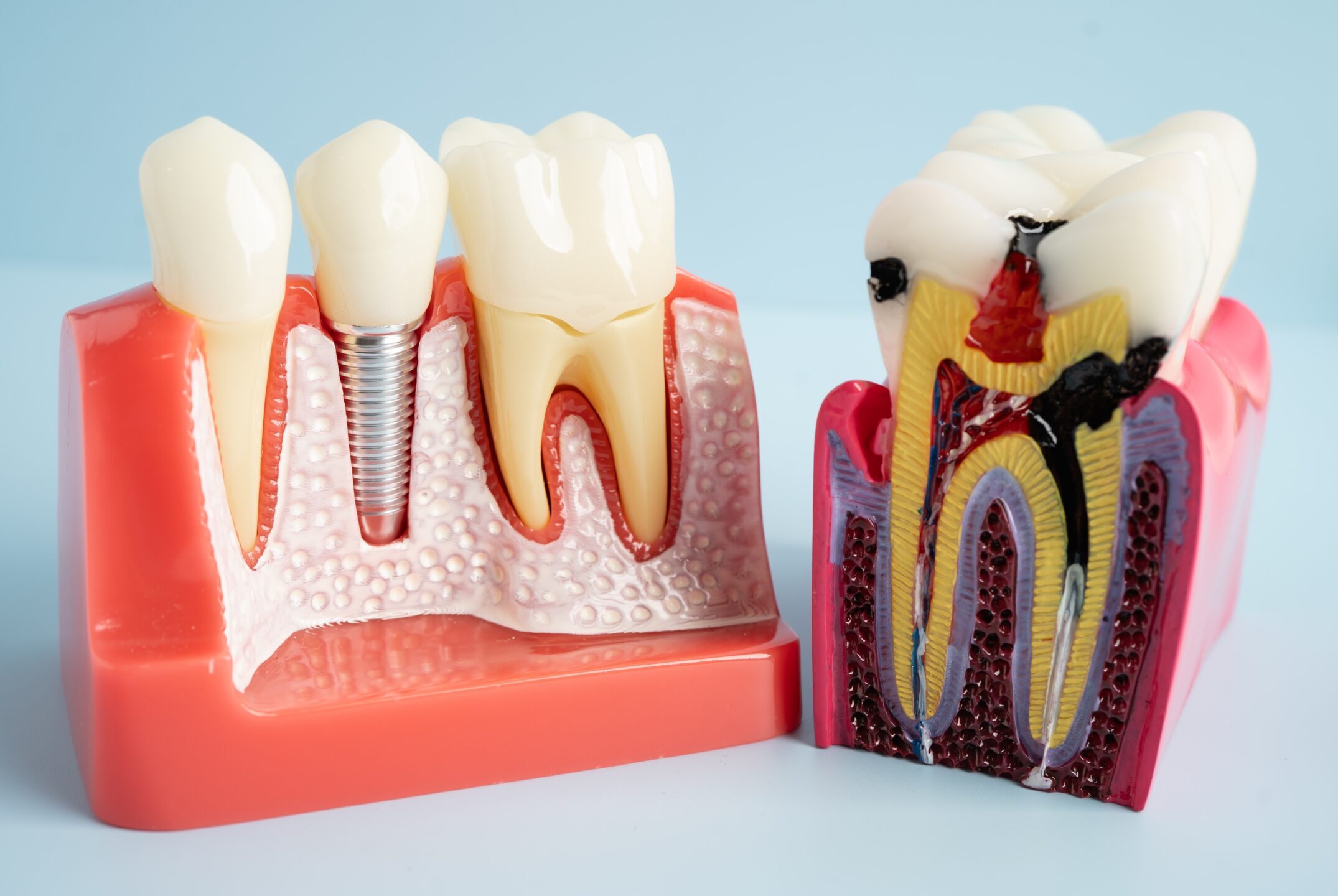
Root canal treatment is a procedure used to save a tooth that has infection or inflammation deep within the pulp (nerve tissue). The dentist removes the infected tissue, cleans and disinfects the root canals, and seals them to prevent reinfection.
Who Needs a Root Canal?
- Deep decay causing severe tooth pain
- Cracked or fractured teeth affecting the nerve
- Infection or abscess at the root tip
- Discolored or non-vital (dead) teeth
Why Save Your Natural Tooth?
Preserving your natural tooth is always the first priority whenever possible. A successfully treated tooth:
- Maintains natural chewing function and bite force
- Feels more natural when speaking and eating
- Helps preserve jawbone and surrounding teeth
- Is generally more cost-effective than implants
It also avoids surgery, making it a suitable option for patients who prefer a less invasive approach.
Does Root Canal Treatment Hurt?
Modern root canal treatment is virtually painless, thanks to advanced techniques and local anesthesia. Most patients report discomfort similar to a standard filling—and recovery is usually quick.

Treatment Process & Timeline
Steps:
- Examination & X-ray
- Local anesthesia and access opening
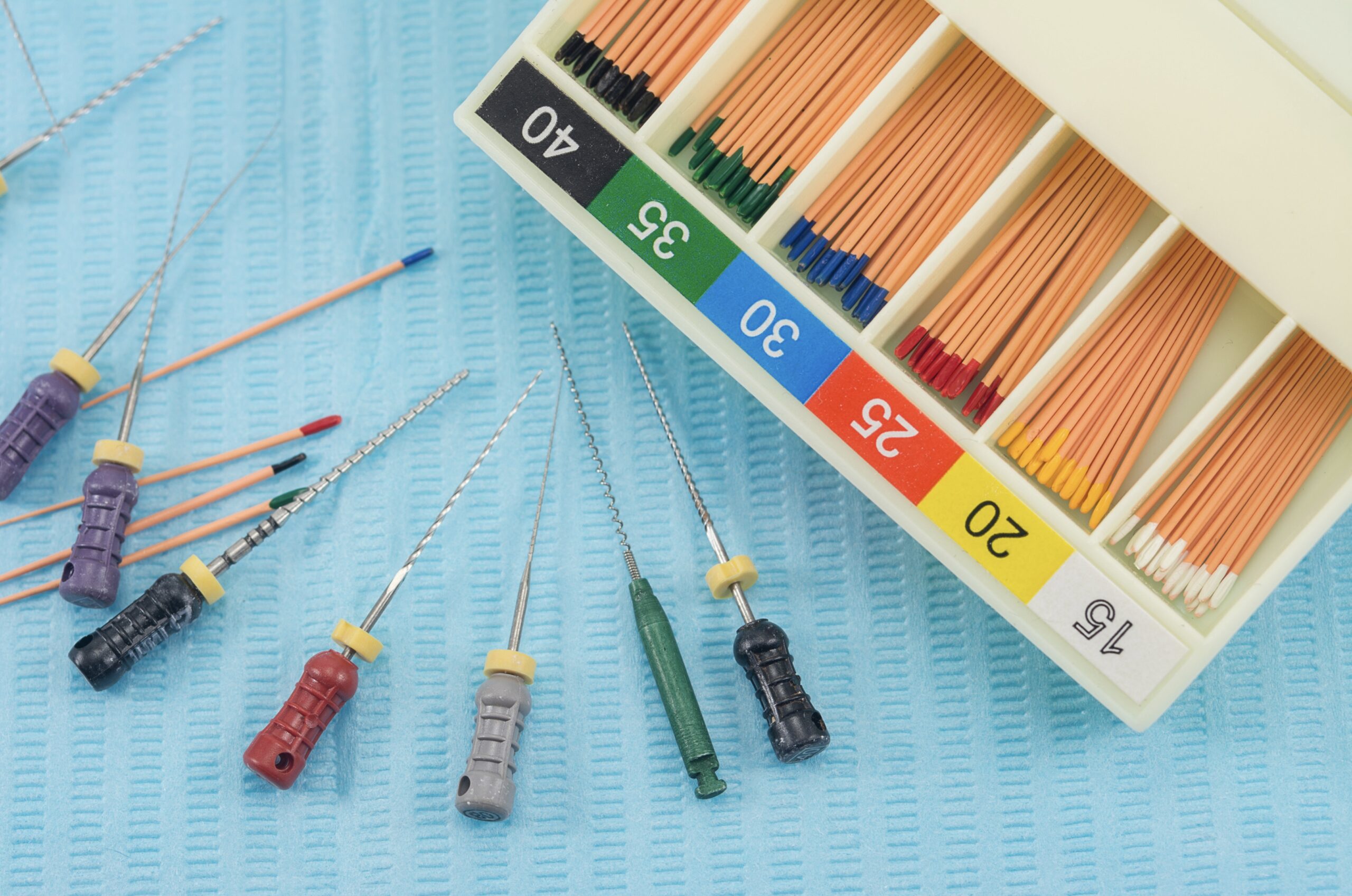
- Cleaning and shaping of root canals
- Disinfection (may require medication between visits)
- Final filling of canals
- Crown placement for protection
Duration:
- Simple cases: 1–2 visits (2–4 weeks)
- Complex cases: 2–3 visits (up to 4–6 weeks)
Cost of Root Canal Treatment
Estimated ranges:
- Front tooth: 12,000–16,000 THB
- Premolar: 14,000–18,000 THB
- Molar: 20,000–22,000 THB
- Crown cost (separate): 16,000–26,000 THB
What Is a Dental Implant?
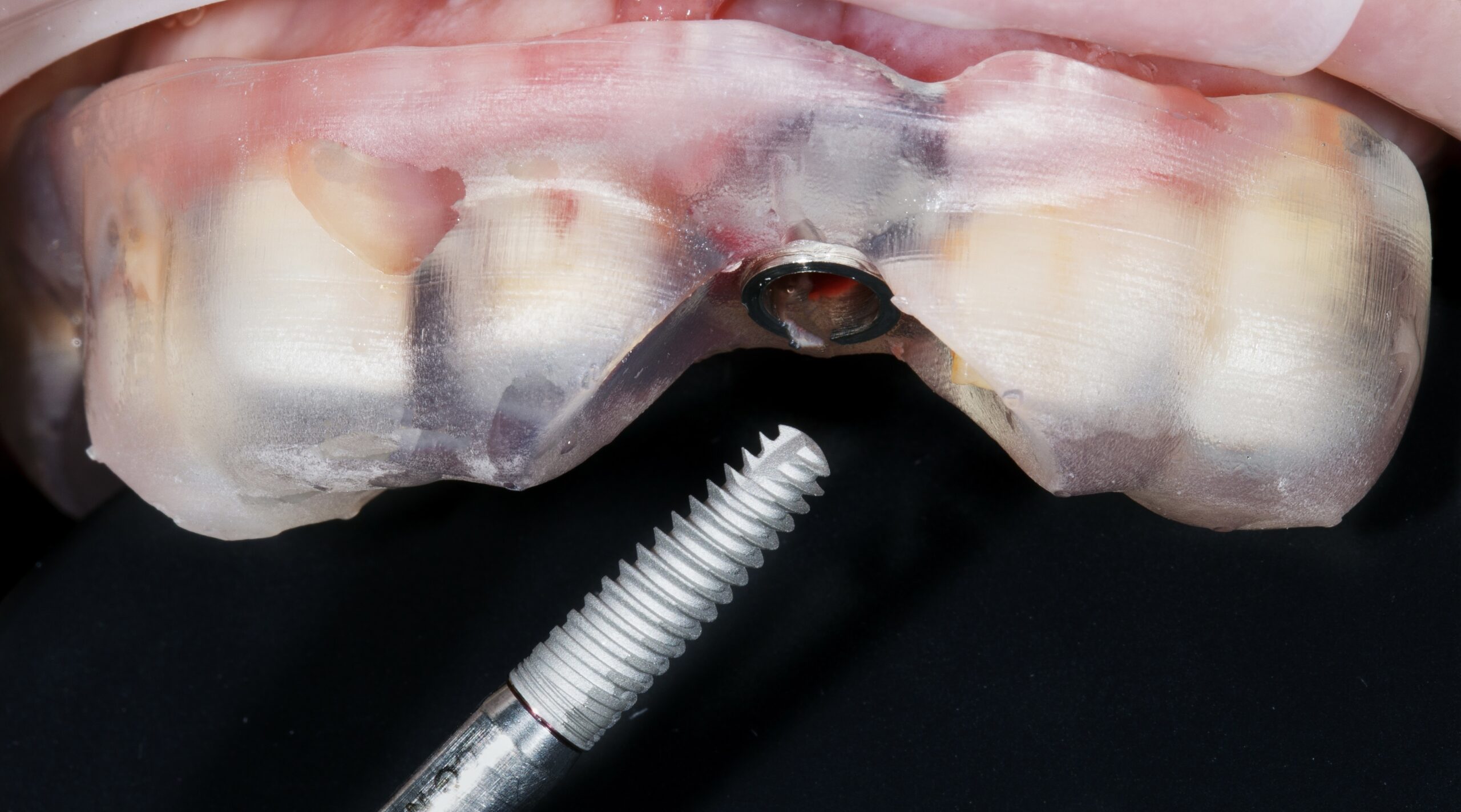
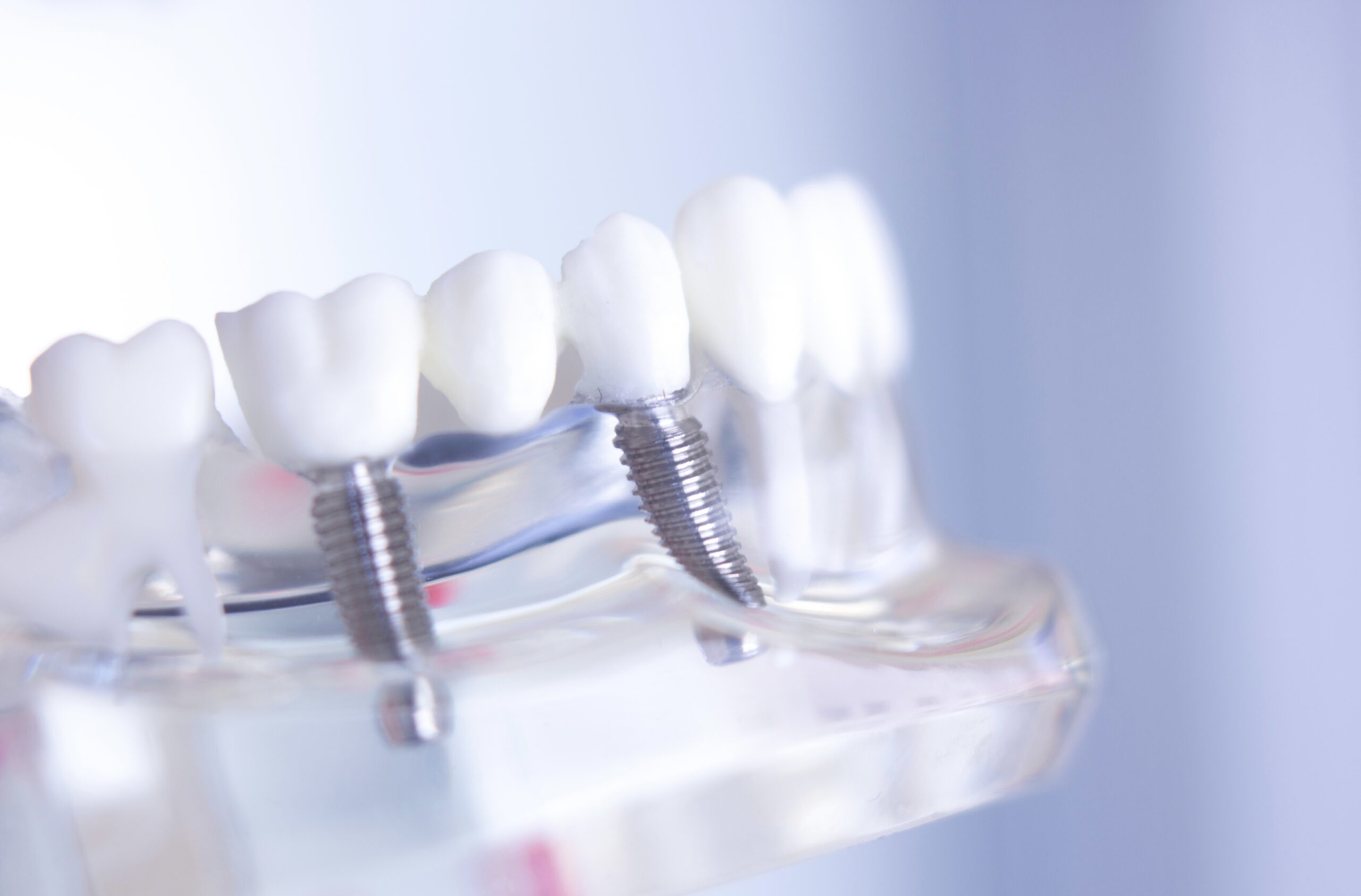
A dental implant is a titanium post placed into the jawbone to replace a missing tooth root. It acts as a foundation for a permanent crown.
Components:
- Implant (titanium root)
- Abutment (connector)
- Crown (visible tooth)
Treatment Process & Timeline
Dental implants typically take 3–6 months:
- Examination & CT scan
- Implant placement surgery
- Healing (bone integration)
- Crown placement
Types of Dental Implants
- Single Implant – replaces one missing tooth
- All-on-4 / All-on-6 – full-arch restoration
- Mini Implants – for limited bone cases
Popular Implant Brands
- Straumann – Premium Swiss system with strong long-term data
- Neodent – Widely used with innovative design
- Osstem – Reliable and cost-effective option
Longevity: Root Canal vs Implant
- Dental Implant: 10–25+ years (implant can last a lifetime with proper care)
- Root Canal Tooth: 5–15 years (can exceed 20 years with proper restoration and care)
Key Factors That Affect Longevity
- Oral hygiene habits
- Smoking
- Gum disease / systemic health (e.g. diabetes)
- Teeth grinding (bruxism)
- Quality of treatment and planning
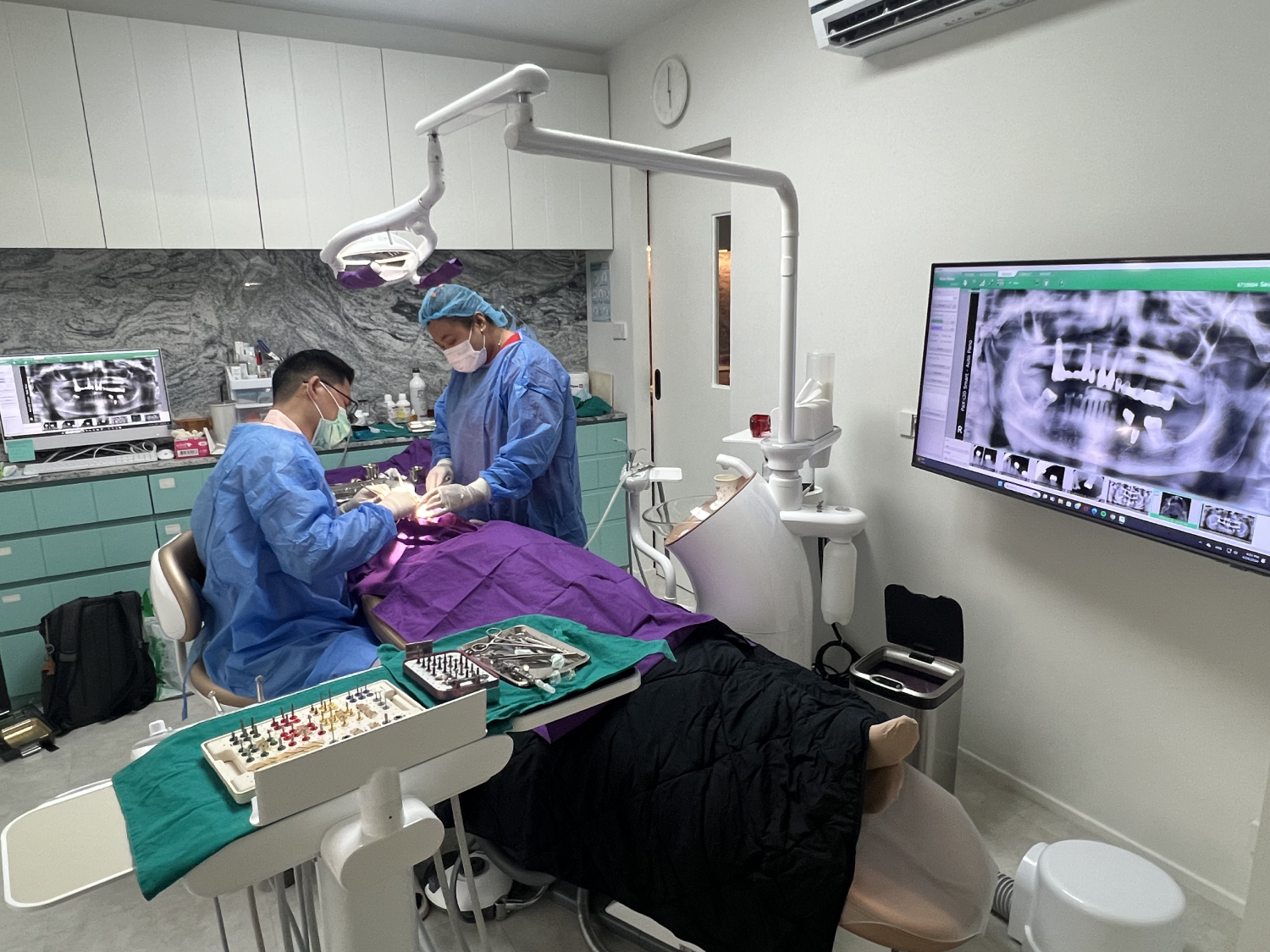
When Should You Choose a Dental Implant?
Dental implants are recommended when:
- The tooth cannot be saved
- The tooth is already missing
- Severe structural damage exists
- You want to avoid trimming adjacent teeth (as in bridges)
In some cases, immediate implant placement can be done right after extraction—but only if conditions are suitable.
Root Canal vs Implant: Final Recommendation
- If the tooth can be saved → Root canal is the best first option
- If the tooth is beyond repair or missing → Dental implant is the most durable replacement
The most important step is a comprehensive evaluation by a specialist, as every case is unique.
FAQs: Root Canal and Dental Implant
Q1: How long does a root canal take?
1–3 visits (2–6 weeks), depending on complexity.
Q2: When can I eat after implant placement?
Soft foods can be eaten after anesthesia wears off (2–3 hours). Avoid hard foods during healing.
Q3: Implant vs bridge: what’s the difference?
Implants replace a tooth without affecting adjacent teeth, while bridges require trimming neighboring teeth.
Expert Insight by Dr. Pitchaya Vadhanakrai
A root canal is a conservative approach to repair a damaged tooth— but it will never be as strong as a completely healthy natural tooth. If you are considering a long-term replacement, dental implants offer excellent strength and stability. However, higher quality outcomes often come with increased investment, depending on the system used and case complexity. Additional procedures—such as bone grafting, sinus lifting, and underlying medical conditions—can also influence both treatment planning and overall cost.
Book Your Consultation
If you’re deciding between saving a tooth or replacing it with a dental implant, Belix Dental (Langsuan–Ruamrudee, near BTS Ploenchit) provides advanced diagnostics and personalized treatment planning. We utilize CT Scan imaging and a fully integrated digital workflow to ensure precise planning, predictable outcomes, and long-term success.
with our specialists
Medical content reviewed by
Dr. Pitchaya Vadhanakrai
Orthodontist, Invisalign Platinum Provider, and Founder of Belix Dental